Brazil Trip Report, February 13 – April 15, 2025 Callyn Yorke
INTRODUCTION
Brazil had been on my bucket list even before 2012, when the Obama administration eased tourist visa requirements for affluent Brazilians visiting the USA. Brazil reciprocated by allowing Americans a 90-day visa-on-entry.
Political winds would soon be shifting again. The courtesy visa for Americans was scheduled to expire on April 10, 2025. If I could put a travel plan together quickly, there was still a convenient opportunity to visit the South American country with the largest number of bird species (1,862), including at least 239 endemics. The immense size and varied topography of Brazil insured that many bird species would be encountered, depending on how much of the country I could see within a relatively brief, two-month visit.
Flipping through the pages of Ber van Perlo’s (2009) comprehensive Field Guide to the Birds of Brazil, it appeared that my chances of seeing some interesting new birds and other wildlife would be reasonably good nearly everywhere in Brazil.
One exception was the Pantanal. That famous southern life-zone, which contains some of the most spectacular wildlife in South America, would be impassable, i.e. flooded and swarming with mosquitoes. If travelers were unaware, they would eventually be informed that the dry season, July-September, is best for visiting the Pantanal. Naturally, that time frame is the high tourist season. Decent accommodations are pricey (e.g. $US 800/day) and largely unavailable, having been booked many months in advance. Pantanal wouldn’t be happening for me this time around. In any case, I would certainly see plenty of birds and other animals during my travels in Brazil, though my take-home trophy list probably wouldn’t include a Hyacinth Macaw, Giant Anteater or Jaguar – common residents of the Pantanal.
The good news was that American and United Airlines had regular flights between Los Angeles and Rio. Except for the lengthy flights, going to and from Brazil was easy enough. However, important travel related questions remained.
Most likely, there would be logistical and language difficulties for me. Brazil, the largest country in South America, is also the only country in the region where any spoken language besides Portuguese is practically useless. And as a single, senior traveler, perhaps there would be significant safety concerns. Knowing not a living soul in Brazil, I would need to see what could be found on the Internet and prearrange something with local tour guides who had dealt with foreigners and who had learned a little English.
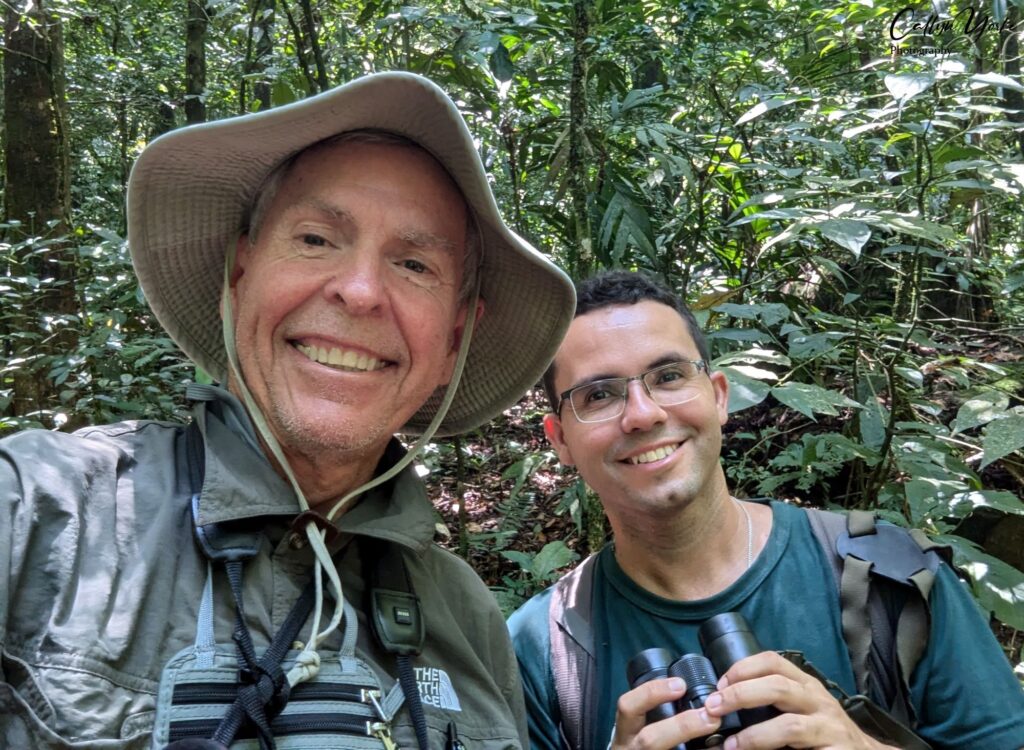
As it turned out, I met very friendly and knowledgeable Brazilian ornithologists in six of the seven states I visited. Upon my arrival in Rio De Janeiro, a one-week, personalized birding tour had already been arranged for me by the identical twin brothers, Daniel and Gabriel Mello. Alternating days, each of them took me to multiple locations, featuring a mosaic of different habitats in Rio De Janeiro state (RDJ), e.g. mangrove, grassland, wetland, lowland and montane Atlantic rainforest. Fluent in English, they expertly identified birds by sight and sound, using both English common names and Latin binomials.
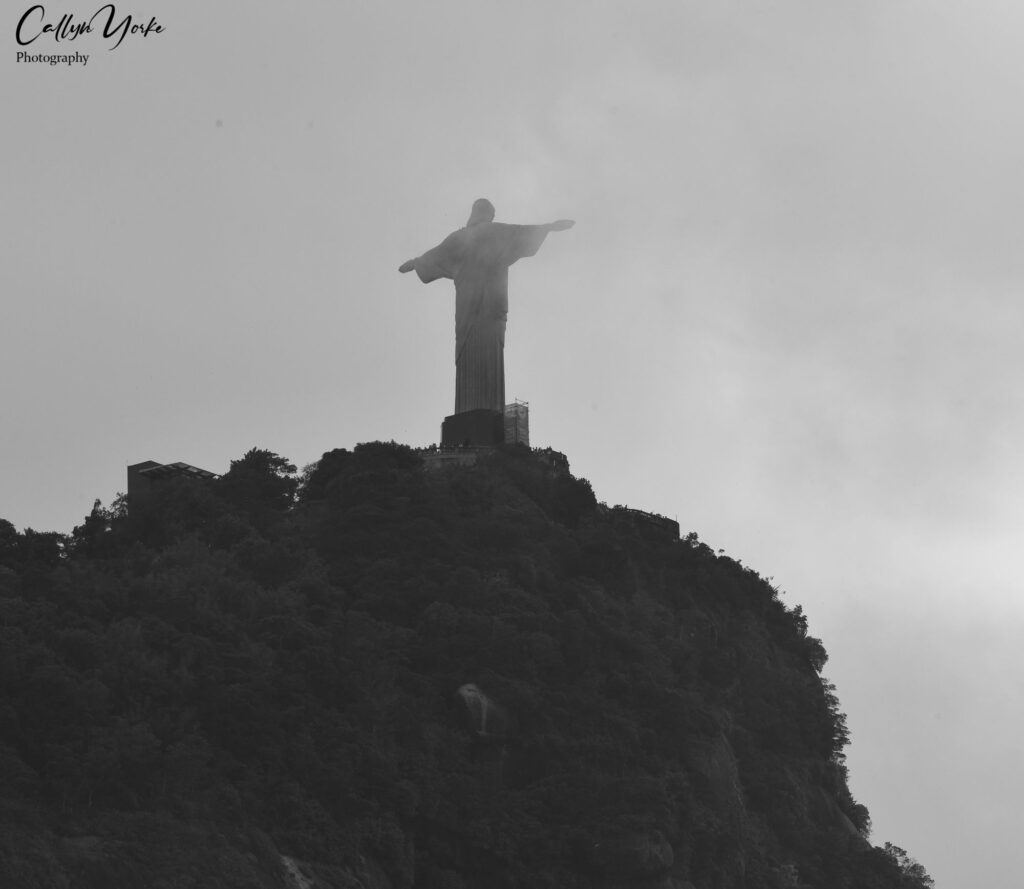
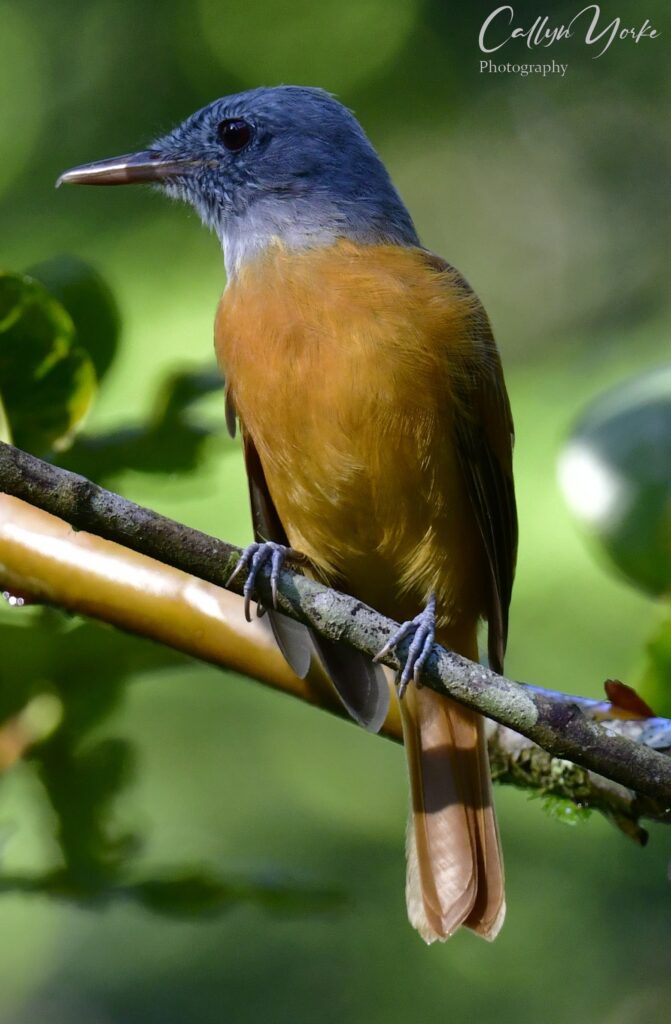
The Mello brothers eagerly helped me to see and photograph as many bird species as possible, particularly Brazilian endemics – all of which were life birds for me. Among numerous highlights were stunning views of endemic birds such as, Gray-hooded Attila, and a highland forest specialty, Hooded Berryeater. On April 15, my last day in Brazil, Gabriel and I spent the morning birding the Rio Botanical Garden at the base of a forested mountain crowned by the iconic Christo Redentor statue. It was there that we were delightfully surprised to find a family of Tawny-browed Owl – another lifer for me that was observed at close range.
I was busy with fieldwork everyday in RDJ, documenting species I photographed and rewriting a complete set of notes each evening. Gabriel and Daniel were diligent in providing me with a daily tally of the birds found, including a notation when the bird was heard only by one of them. At the conclusion of our seven-day, Rio bird-a-thon, I had not only obtained a large collection of digital images of birds, featuring many lifers, but also a delightfully informative course in Brazilian culture and geography. Furthermore, the brothers provided me with names and locations of birding contacts in other regions of Brazil. In retrospect, the wonderful time I had in Brazil was in large part due to my initial contact with these two extraordinary brothers.
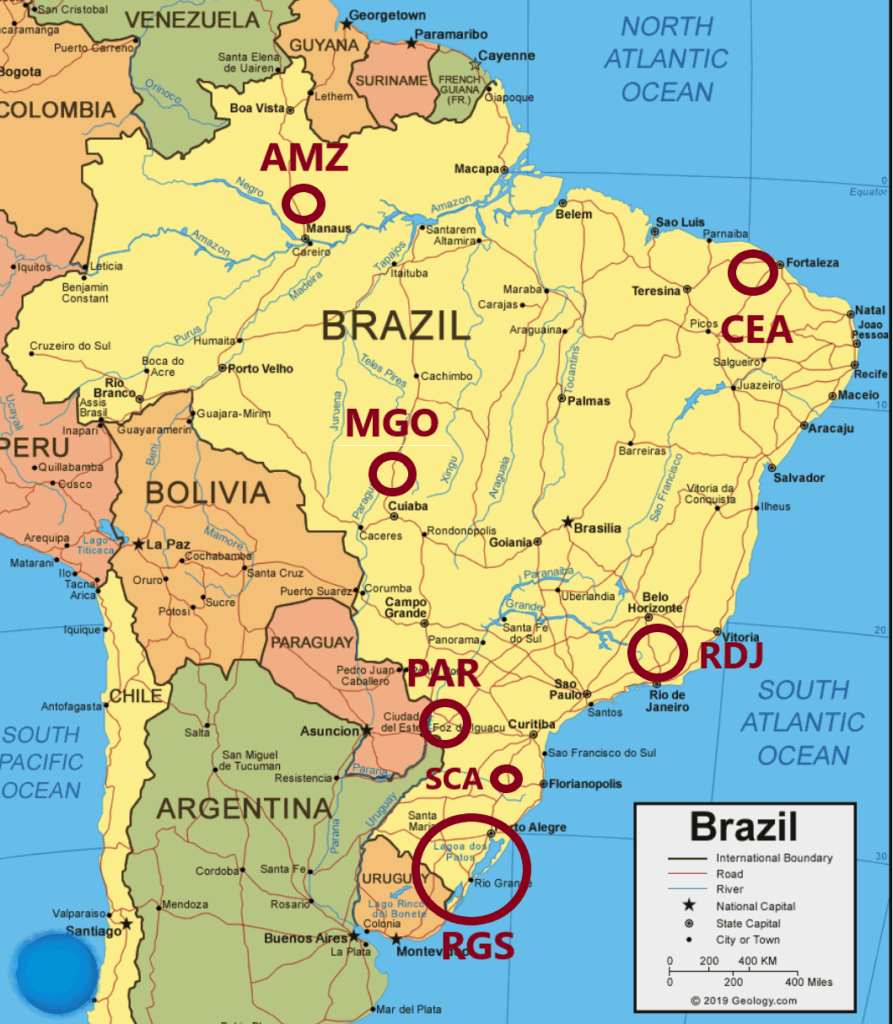
As for previous journeys in South America, my interests and objectives favored extended visits of seven to twelve days in each biotic region in order to appreciate the natural history and culture. The brief biogeographic profile of Brazil provided by Van Perlo (2009 – cited above) was useful for pinpointing destinations in seven states where I could sample major biomes, e.g. Amazon Rainforest (AMZ), Atlantic Rainforest (PAR, RDJ; RGS, SCA), Atlantic Tropical Seasonal Forest (RDJ), Remnant Araucaria Forest (RGS),Cerrado (MGO), Caatinga (CEA), Savanna (MGO), Southern Campos ‘Pampas’ (RGS), Mangrove and Outer Coast (RDJ; RGS).
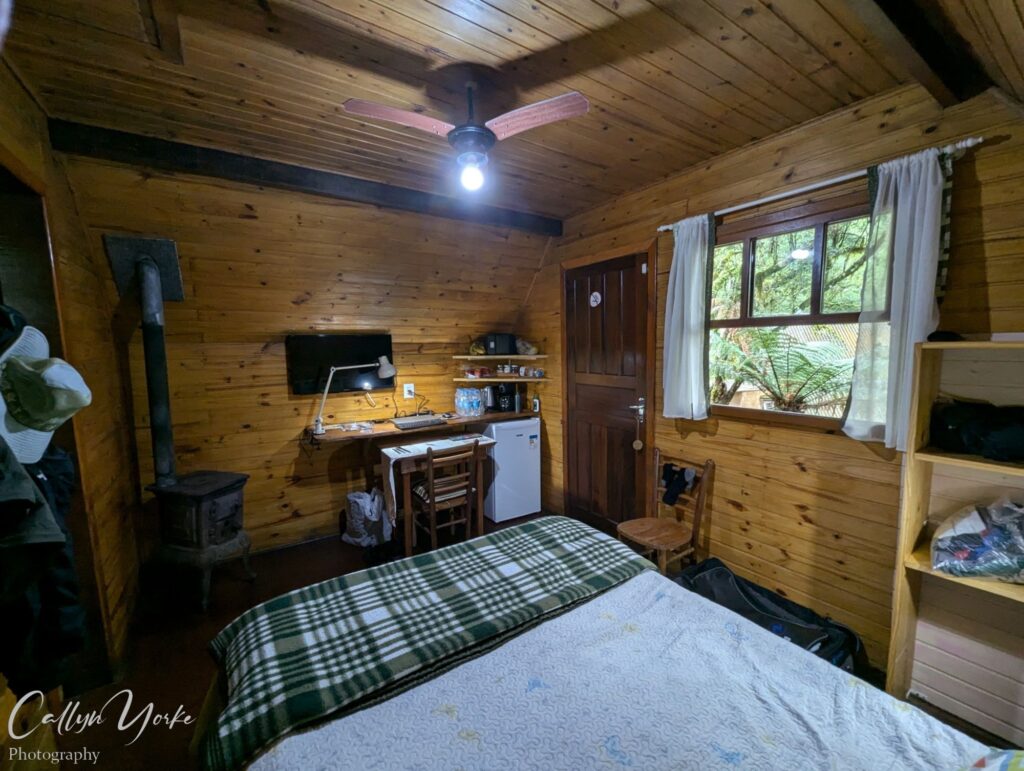
Aside from the prearranged tour of RDJ with the Mello Brothers, I preferred a flexible travel itinerary. That approach worked fairly well in conjunction with recommendations given by tour guides whom I met at each location. It was ‘low season’ in Brazil and in most cases I was able to easily arrange affordable lodging e.g., family-style ranches, ‘fazendas,’ ‘pousadas’ and basic, 2-3 star hotels. Frequent commercial flights between cities were readily available and with reasonable fares. The tourist infrastructure in Brasil appeared fairly well developed and, except for the language barrier in rural areas, I seldom encountered difficulties making last-minute bookings.
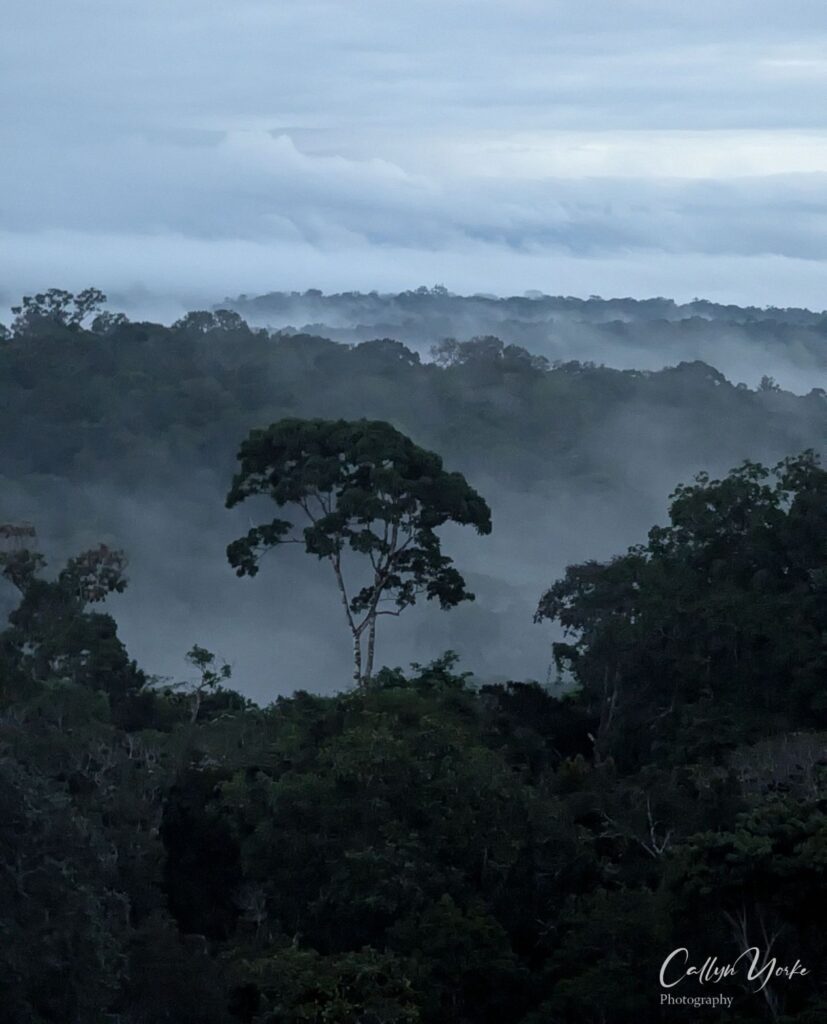
Weather permitting, I was in the field within an hour after sunrise on most mornings, then again for about an hour before sunset. Bird activity usually peaked before 1030 hrs.. Bursts of bird activity often occurred immediately before and after rains, especially in the forest canopy where fruit and insects were abundant. Mid-day and evenings, I was either indoors writing notes, editing photos, or doing artwork – the latter activity, mostly during protracted rainy spells in Amazonas and Sao Francisco de Paula, Rio Grande Do Sul.
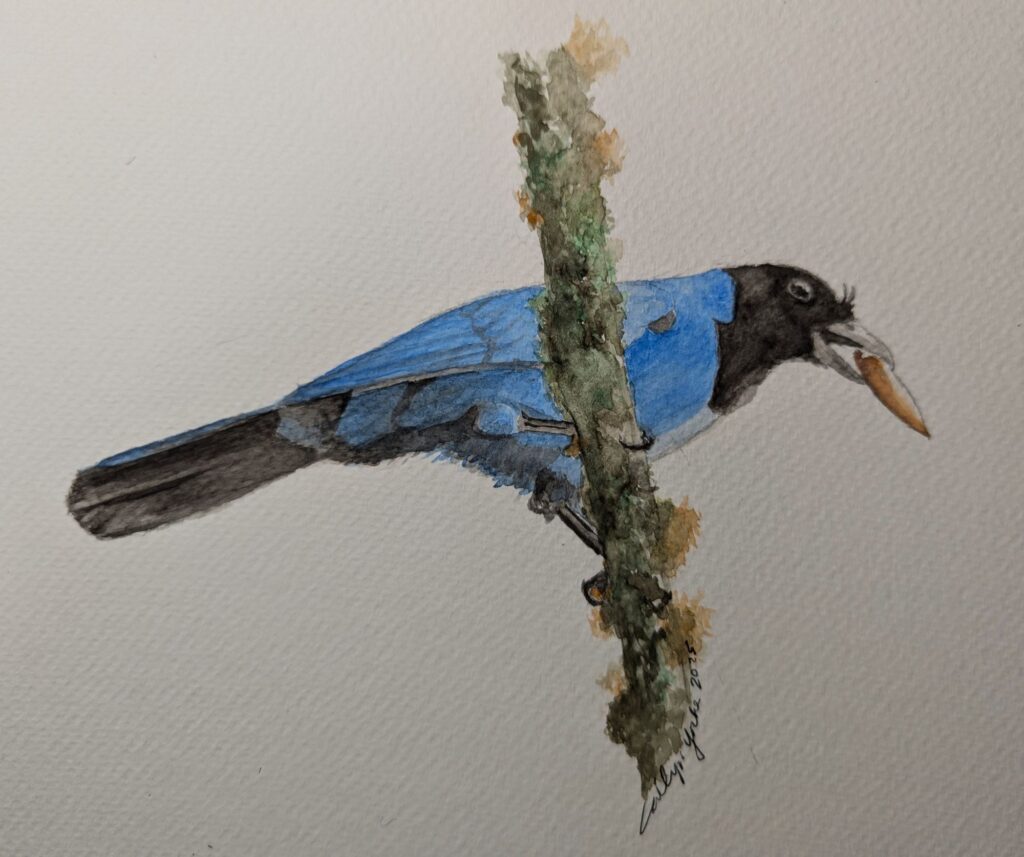
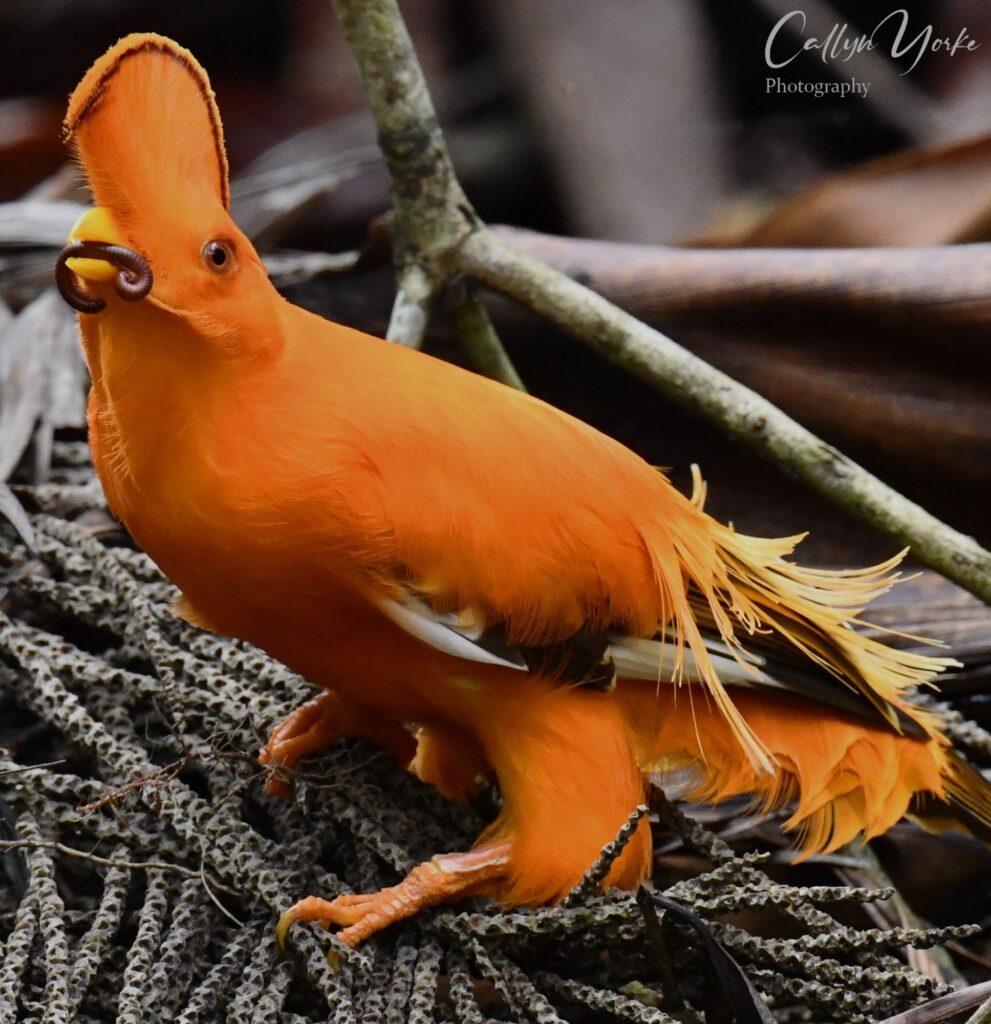
Field surveys were documented in shorthand using a pocket notebook and later rewritten in a loose-leaf binder format. When possible, I obtained digital images of birds and other wildlife; those images were helpful when specific identifications were in question. Images edited and saved on a laptop were periodically stored as back-up files on a USB thumb-drive. I used a Nikon D850 coupled with a Nikon pf 500mm lens for capturing bird and wildlife images. A Google Pixel 7 Pro cell phone was used for scenery and general photography. A portable watercolor set was used for artwork.
When accompanied by a knowledgeable guide, I relied on their skills for locating and attracting birds using playback recordings of vocalizations. All of the bird guides made frequent use of playback recordings. When birding alone, I did not use playback recordings. I found it rewarding to walk quietly, stopping often and patiently waiting for birds to come into view. However, this was the post-breeding season throughout most of the country and bird activity, vocalizations and/or response to playback, was generally weak to nonexistent. As a result, there were often multiple bird species heard in the distance and recognized by the guides, that I did not see. I included those bird species in the daily tallies but excluded them from my Life Bird List. The totals for my two bird species lists were: Brazil Trip List: 457; Brazil Life Bird List: 202.
_______________________________________
Location Summaries and Annotated Bird Lists are Found with the Following Report Links:
________________________________________