Rio Grande do Sul, Brazil March 26 – April 11, 2025 Callyn Yorke
INTRODUCTION
The flight from Iguazu Falls went smoothly and I was in Porto Alegre and the State of Rio Grande do Sul for the first time. Soon after checking into the Novotel Airport Hotel, I called an Uber taxi and headed for the Porto Alegre Botanical Garden. Such places, often quieter than city parks, can be an excellent introduction to the local avifauna. The driver spoke no English and I had learned about the same amount of Portuguese. No worries. Uber GPS and a dash mounted cell phone would be our guide.
It was an encore performance of my first morning with an Uber taxi in Iguazu Falls. This time, the driver insisted on dropping me at an apartment building, somewhere in the middle of the city. Was he kidding? There was one tree growing out of a sidewalk planter. After some arm waving and presumably unkind remarks, we continued in the general direction of the botanical garden. A few blocks away, there it was, one of the oldest landmarks in the city — lots of trees, well signed and on a main boulevard. It was 10:35 AM and about 80°F.
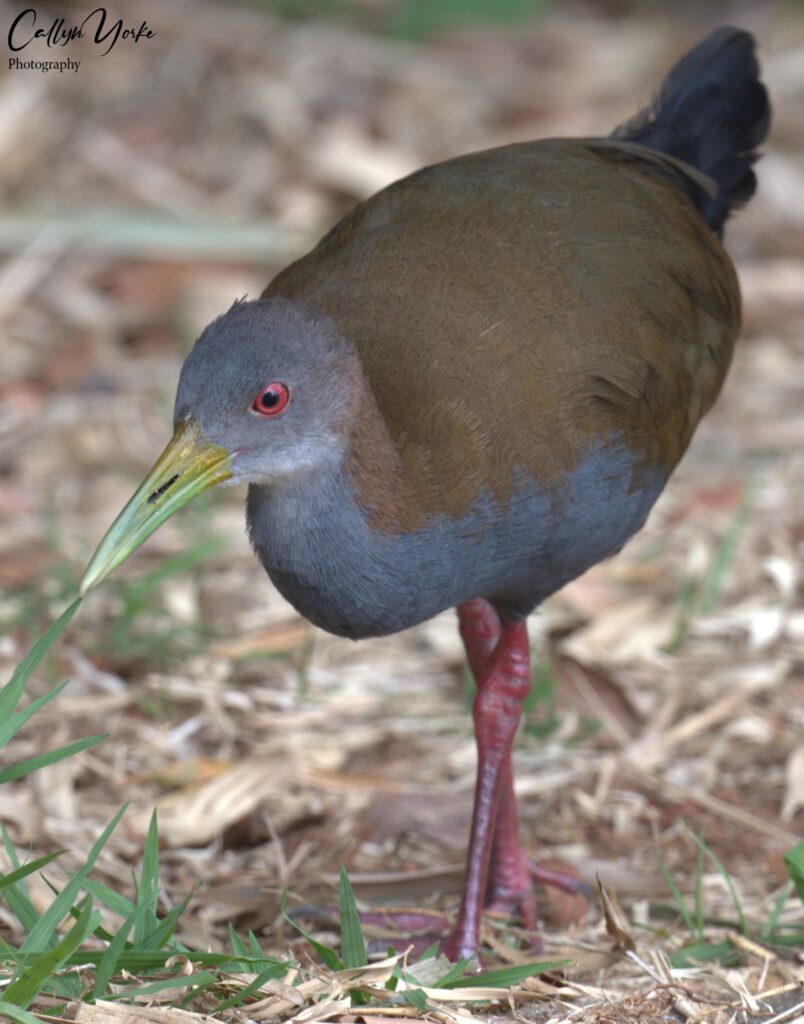
I wasn’t expecting to see many birds with the increasing air temperatures. Climbing stairs and walking pathways through the gardens for two hours, had me perspiring heavily and nearly exhausted. The morning tally was sixteen bird species, including photos of a ‘heard only’ bird in Rio, Slaty-breasted Woodrail. That one alone was worth the visit. There was also a small zoological museum in the Botanical Garden, but the tattered specimen exhibits appeared to have been abandoned in the Late Pleistocene. I was ready for a meal and a nap.
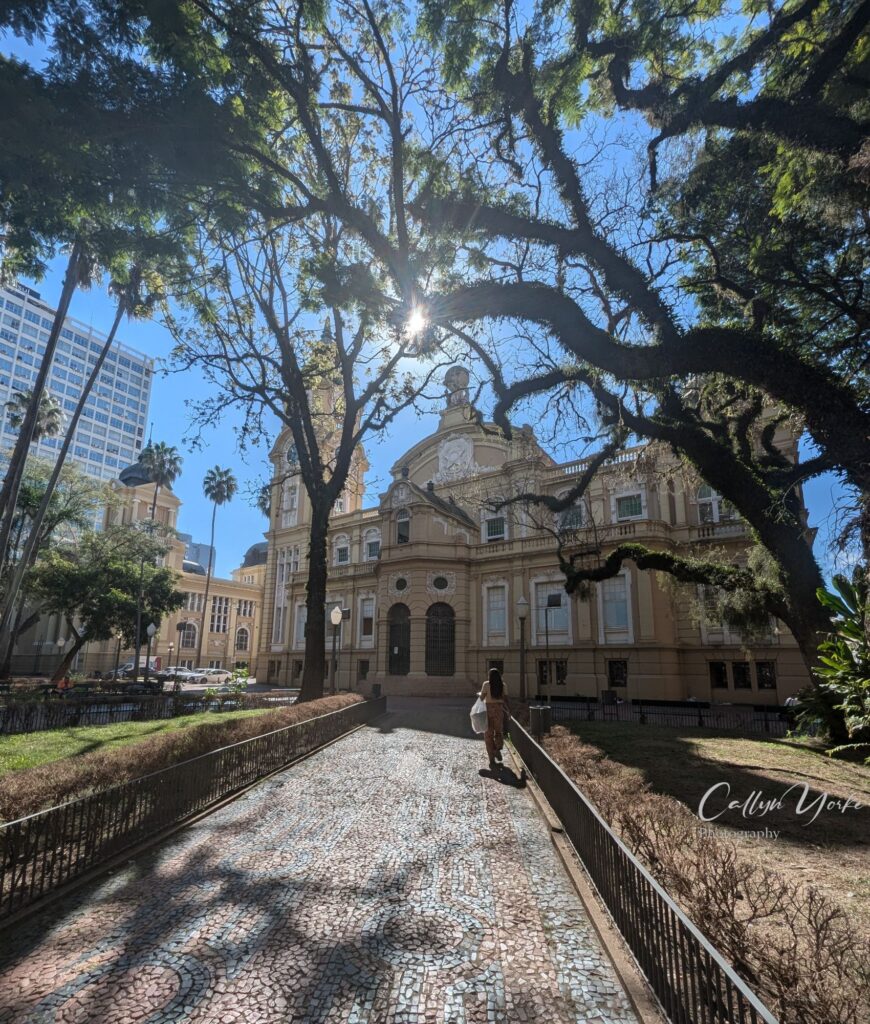
The Novotel Airport Hotel (3-star) was clean, well appointed, had a decent restaurant and friendly staff. I decided to make it my base of operations while in Porto Alegre. The only inconvenience was the location, on an industrial side street that required navigating a confusing arrangement of freeway on and off-ramps. A couple of Uber drivers became lost and wound up going in circles. Otherwise, I was twice able to visit a very good birding area in the city and get into the historic district for a little sight-seeing.
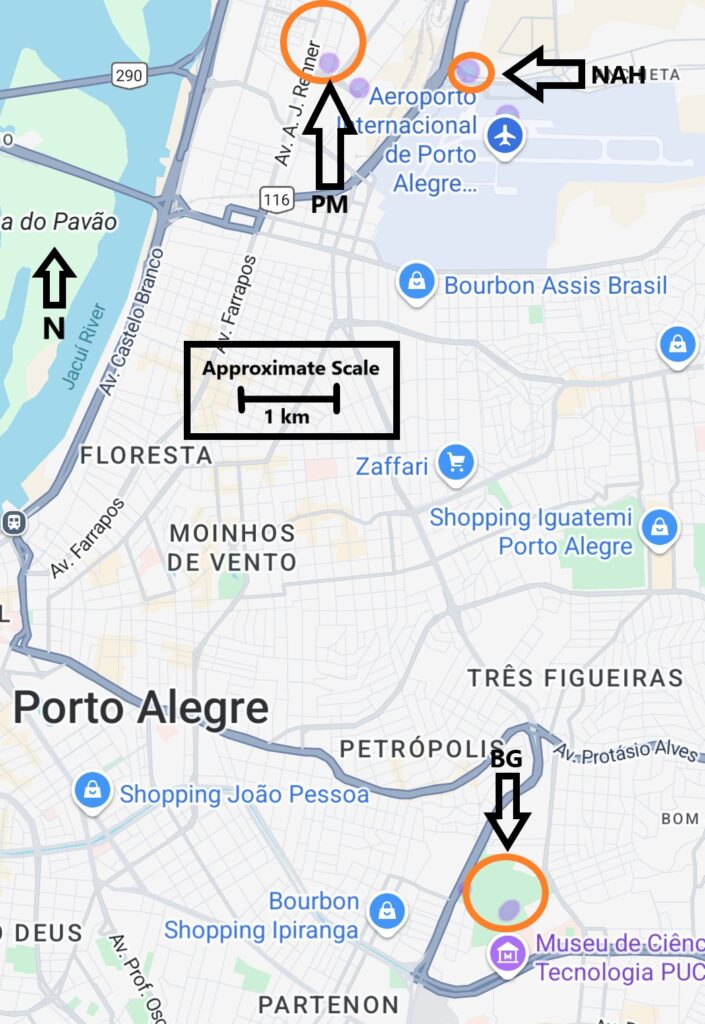
The best birding location I visited in Porto Alegre was Parque Mascarenhas de Morais (PM), located just west of the the Novotel Airport Hotel (see above map). That discovery came about as a courtesy of my birding guide in Iguazu, Marcelo da Rocha, who contacted people in Porto Alegre on my behalf. One of the professional bird guides he reached out to was unavailable. She made a referral to a life sciences student at the local university. His name was Augusto Pötter, and he agreed to show me some birds in Parque Mascarenhas. We met at the hotel at 5 AM and called an Uber taxi. A few minutes later a sedan appeared at the hotel entryway. The young driver knew exactly where we were going.
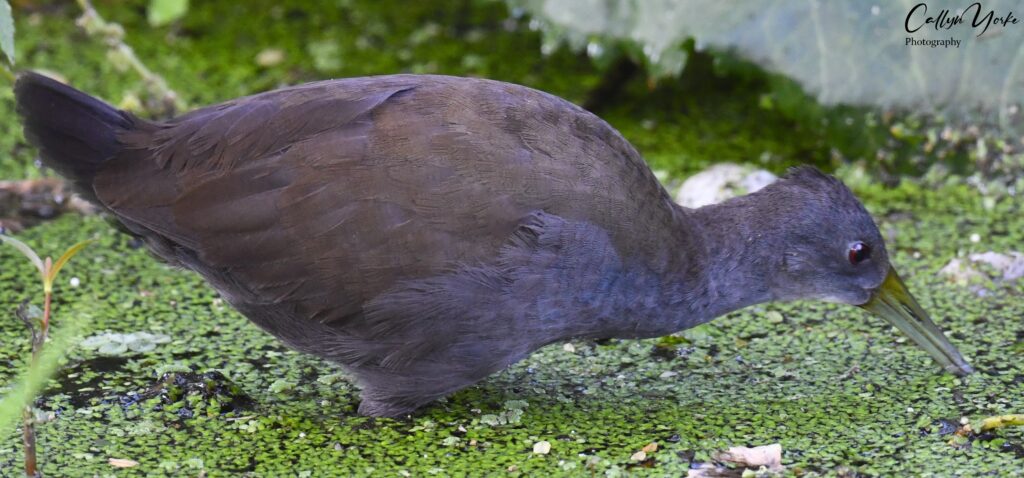
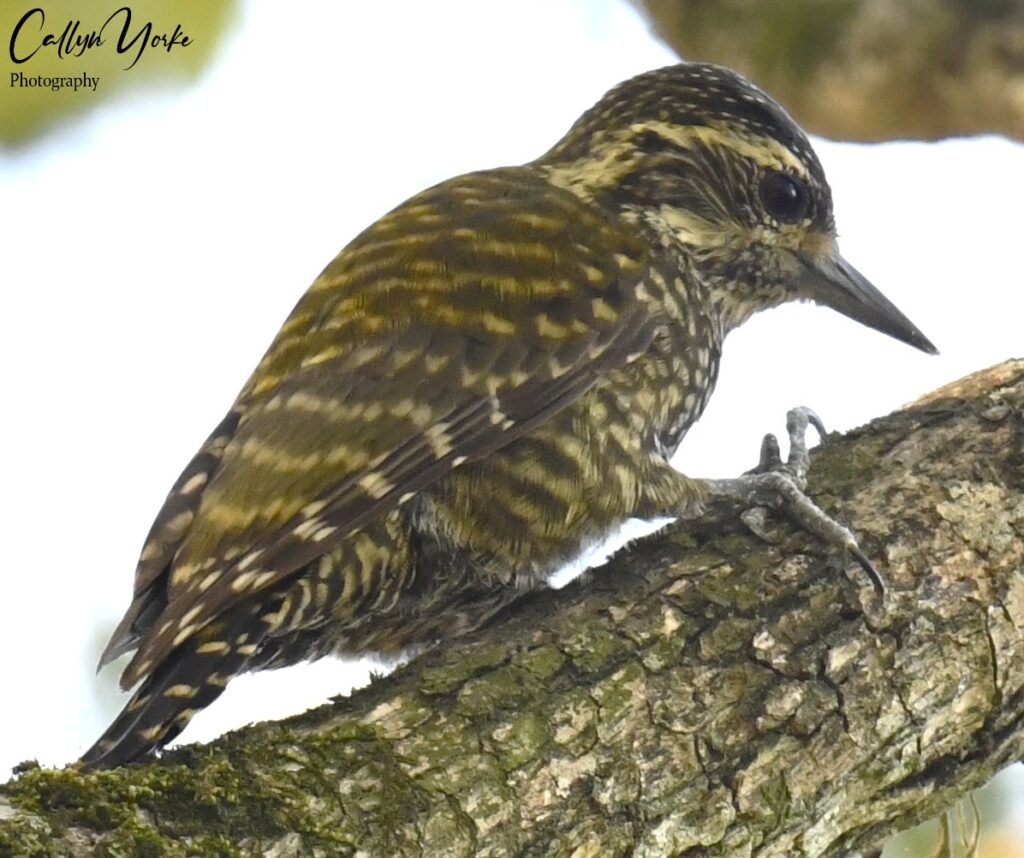
It was in the predawn hour when we arrived at the park. Augusto was listening for familiar bird sounds. I couldn’t see anything moving in the trees or on the lawn. At daybreak, birds became active and we began to encounter a number of common species, e.g. Striated Heron, Pale-breasted Thrush, Rufous Hornero and Sayaca Tanager. As we made a slow walk around the park in a clockwise direction, we found several new bird species for my Brazil trip list, i.e. Blackish Rail, White-spotted Woodpecker, Small-billed Elaenia, Grayish Baywing, Red-crested Cardinal and Black and Rufous Warbling Finch. Some identifiable photos were obtained, though most were in harsh lighting.
By the end of our visit, at 1050 hrs., the tally was a remarkable, fifty-three bird species. Despite an increasing number of people with their dogs (leashed and unleashed), we found more than three times the number of bird species I had observed the previous morning in the Porto Alegre Botanical Garden. Most of the credit for that achievement belonged to Augusto, who had exceptional auditory and visual identification skills. He lamented that we had missed a few species. No problem. I was already planning a return trip to the park as we waited for a taxi. Augusto had made prior plans for the week, so I would be on my own.
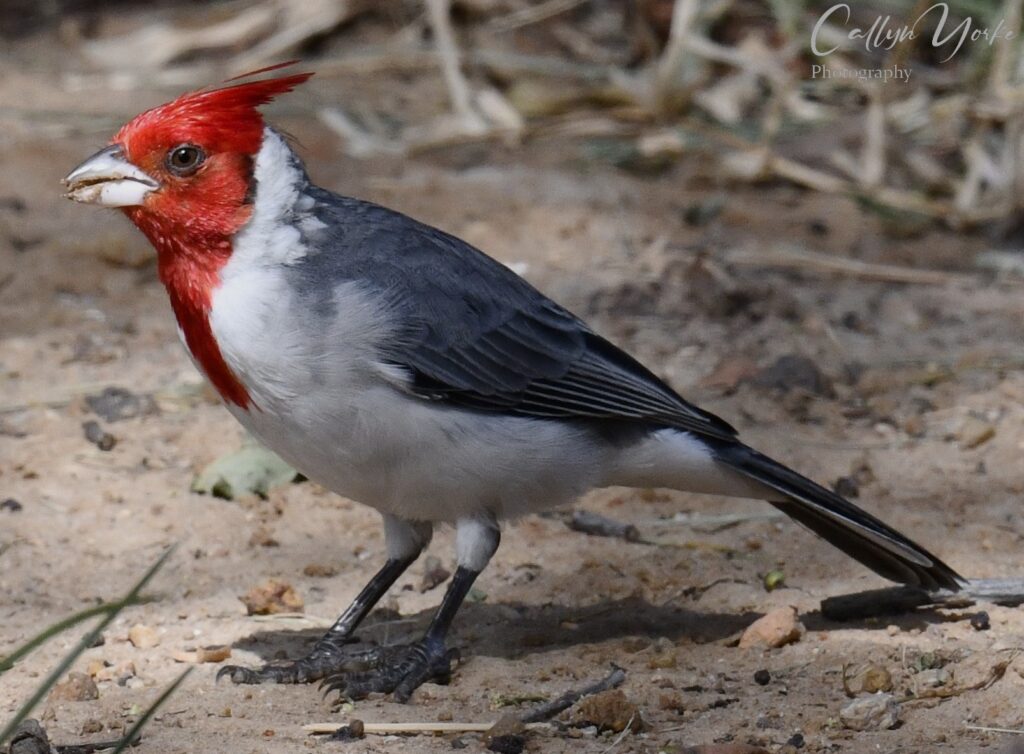
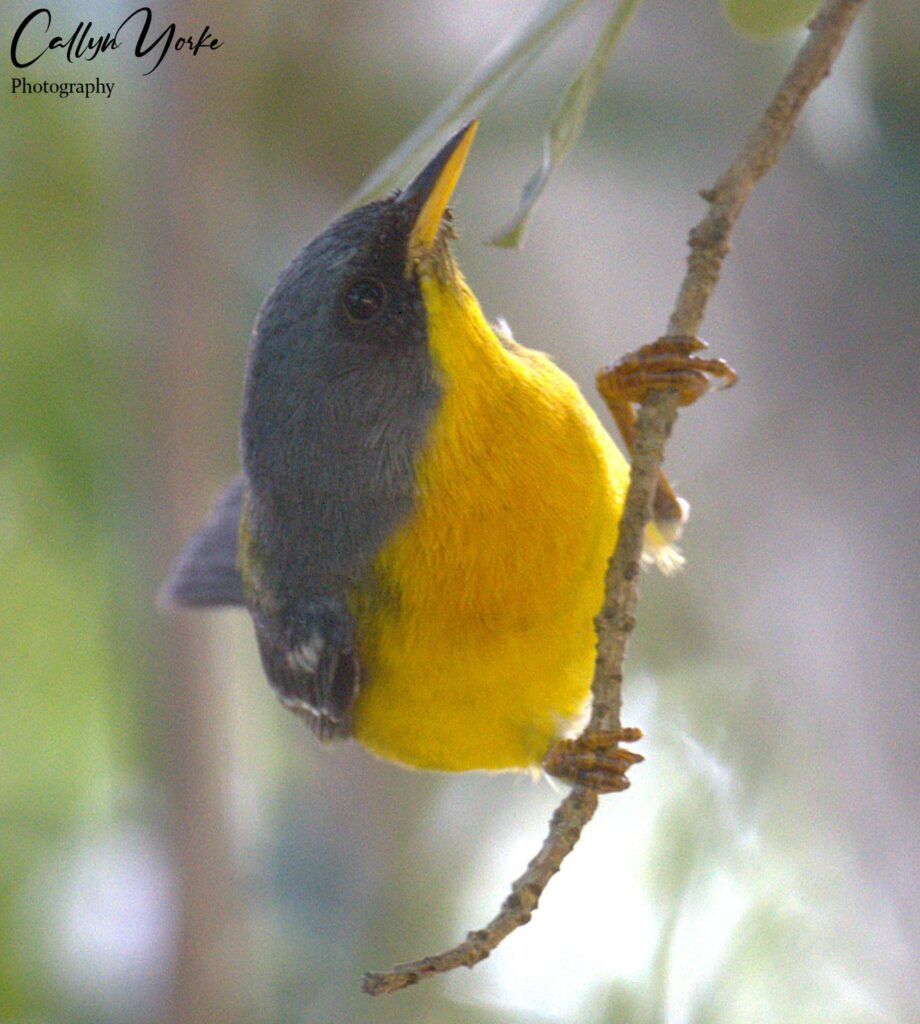
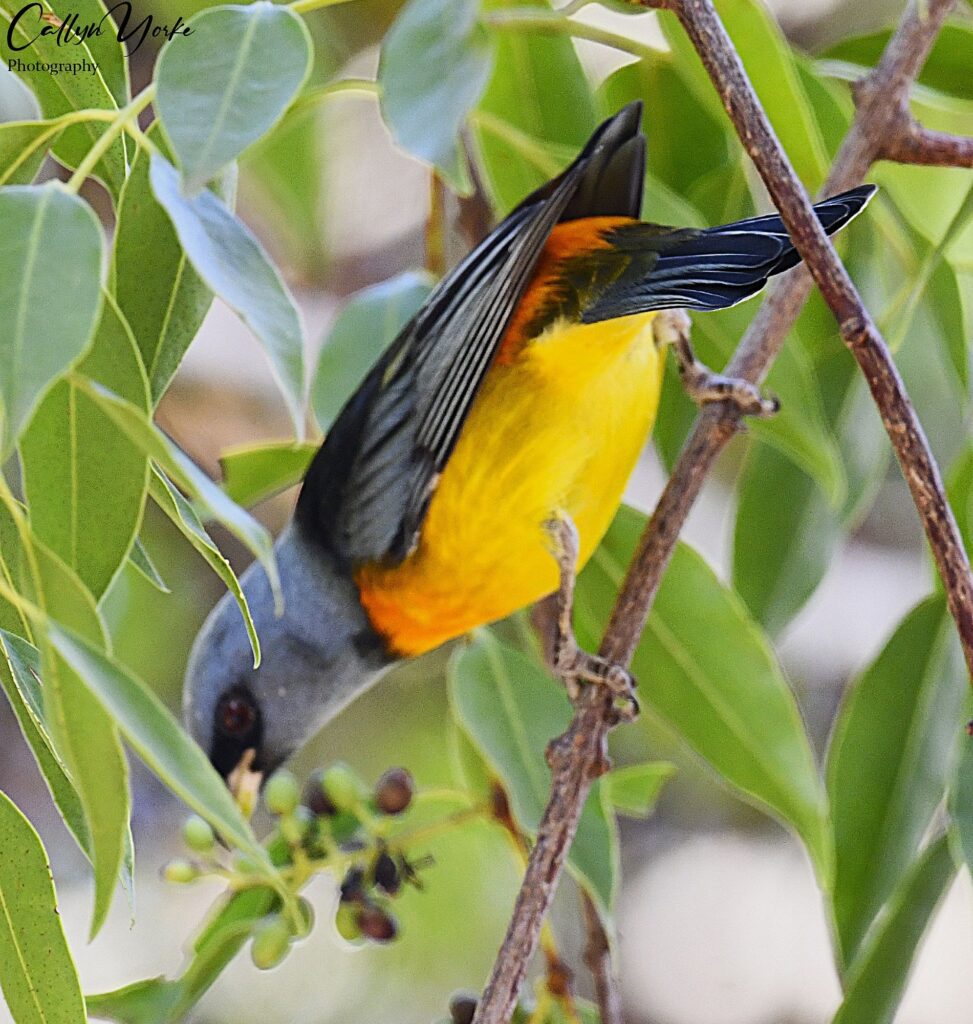
Two days later, I revisited Parque Mascarenhas and had another productive morning of birding. My final tally was forty-two species, not quite as many as with Augusto, though compensated by improved lighting for photography. Three bird species in particular, were surprisingly cooperative – Red-crested Cardinal, Tropical Parula, and Blue and Yellow Tanager – that one was new for my Brazil trip list.
Sometime later that day, I was contacted by another professional bird guide, Roberto Botelho, owner of a lodge in São Francisco de Paula, a small town in northern Rio Grande do Sul. Roberto, who spoke only Portuguese, texted me with a proposal. The grammar and word selection he used was terribly muddled but his intention was fairly clear. He wanted me to go birding with him and stay at his lodge. He offered to provide transportation from Porto Alegre, which would be about a five-hour drive in his vehicle.
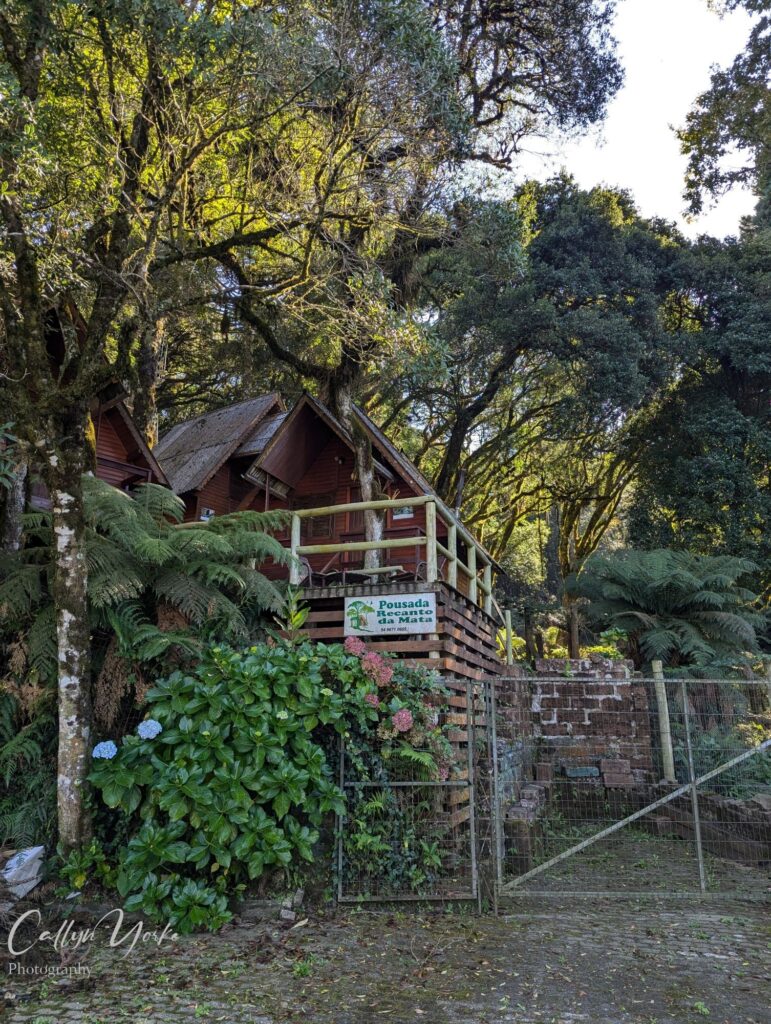
Although I fancied the idea of visiting a new area in the highlands of Rio Grande do Sul, the language barrier seemed an insurmountable obstacle. And there was another problem. Roberto requested payment in cash or by bank transfer – a security issue I had avoided in Brazil, preferring a credit card or PayPal for major transactions. Roberto, however, was confident that everything could be worked out. He hastened to show me images on his phone of his English speaking clients, who were apparently very pleased with his services and lodging. If nothing else, Roberto was a highly motivated salesman. I tentatively agreed with his proposal and by late the following day, we had arrived at Pousada Recanto da Mata, a rustic lodge in the historic town of São Francisco de Paula.
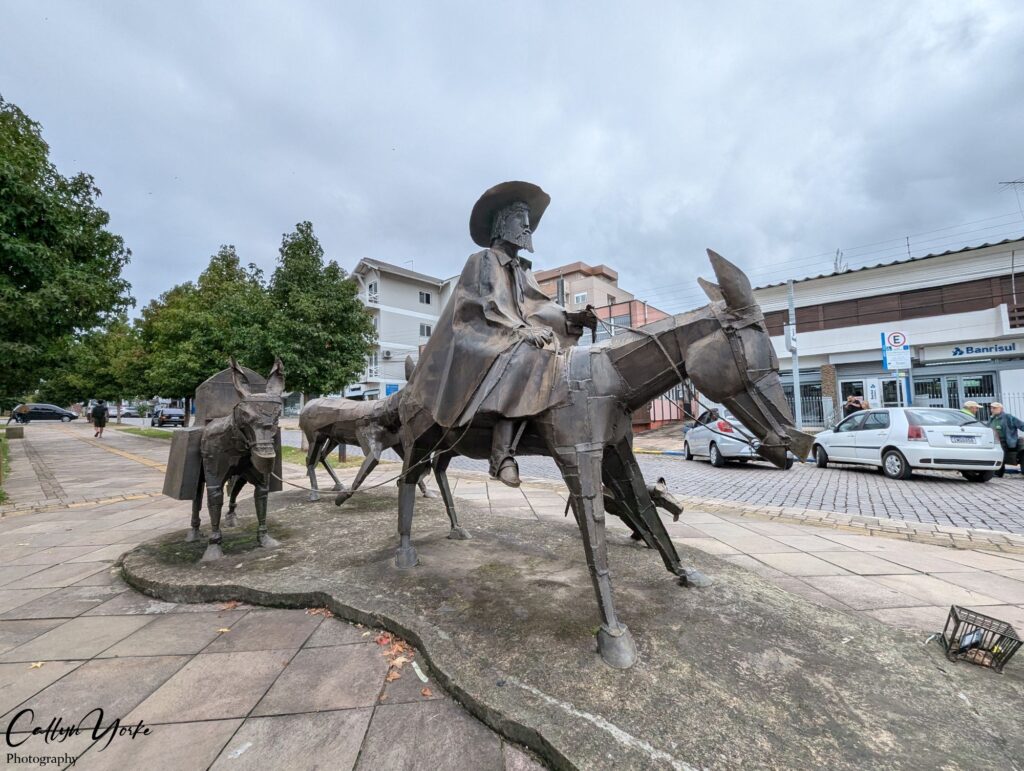

After settling into my room (#1), a pine wood paneled cabin with an antique wood stove, desk, chair, bed, and tiny bathroom, Roberto showed me around the property. When an explanation required more than pantomime, Roberto pulled out his cell phone and used a voice activated language translator app.. For some reason, translations from Portuguese to English were almost indecipherable; my messages from English to Portuguese, according to Roberto, were clear. We tried to keep conversations simple and brief; inevitably, there were misunderstandings.
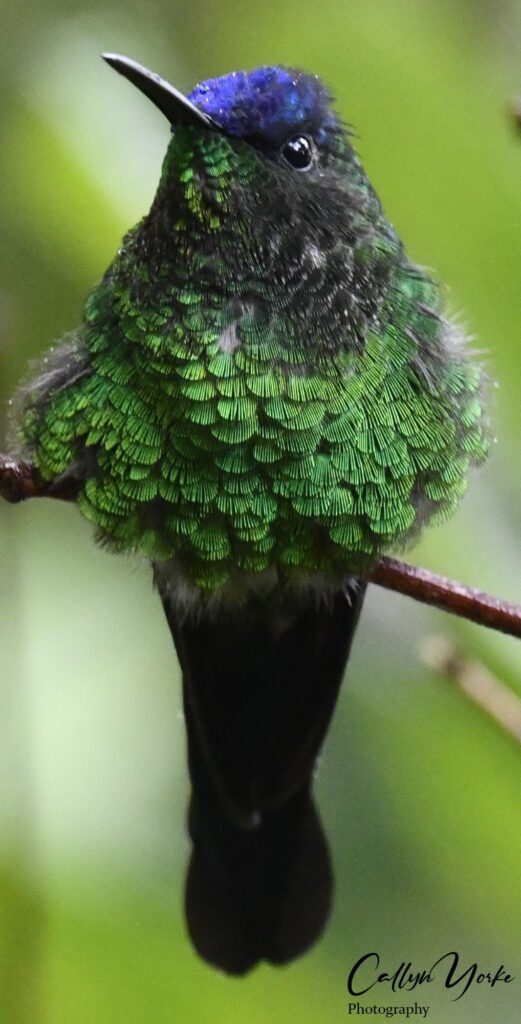
Roberto had several hummingbird, fruit and bird-seed feeding stations. Two feeding stations were outside the cabins, another by a dining room picture window and one in the back yard. I liked the set-up for bird photography – the shaded lighting was soft and the background was a natural cloud-forest. Roberto, as with the other bird guides I had met in Brazil, reminded me that March-April (autumn) was not the optimal season for bird activity.
The empty lodge affirmed low season, yet Roberto hadn’t indicated that I would be the only guest for the next twelve days. He introduced me briefly to his wife, a licensed gourmet cook, who was scarcely seen thereafter. Roberto handled kitchen and maintenance duties, including updates with avian arrivals in the yard.
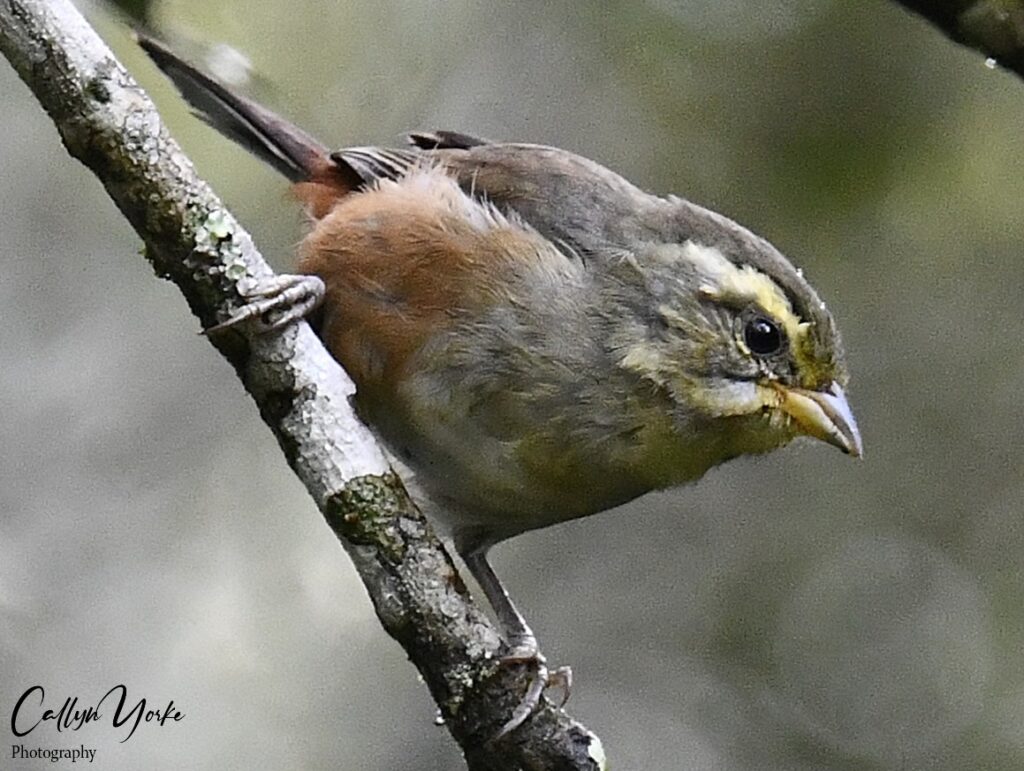
The feeding stations were replenished daily. A few birds were regular customers and several of those were new species for my Brazil trip list and life-birds, e.g. Azure Jay, Sharp-billed Treehunter, Scalloped Woodcreeper, Golden-winged Cacique, Chestnut-backed Tanager and Gray-throated Warbling Finch.
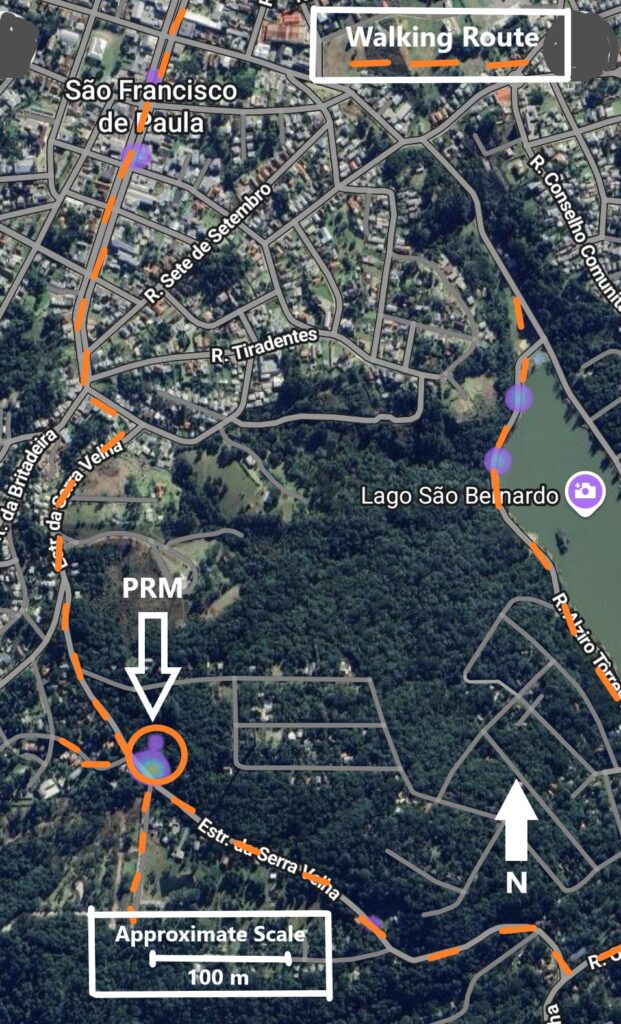
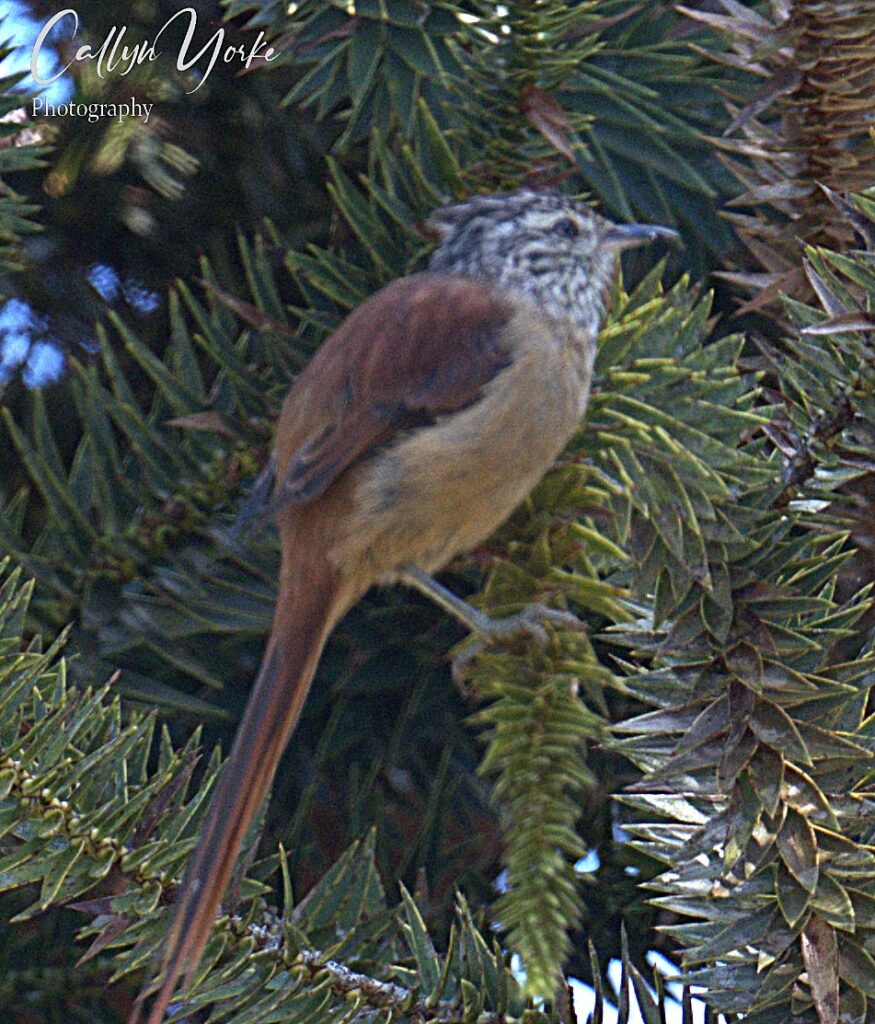
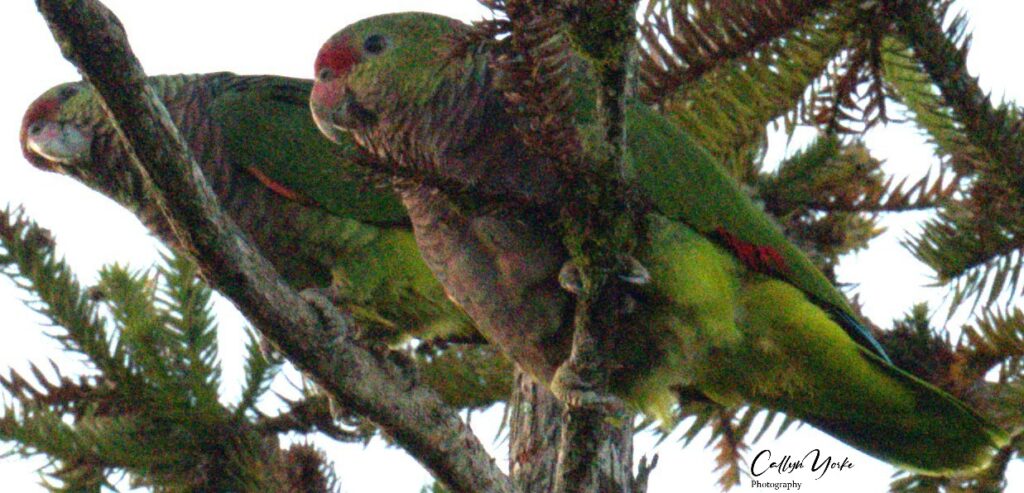
In addition to monitoring the feeding stations, I went solo in the neighborhood, on foot and with a lodge bicycle. During those surveys, I found additional bird species, including Vinaceous-breasted Parrot and the much sought after endemic, Araucaria Tit Spinetail in, of all places, an Araucaria tree!
The birding was productive at Pousada Recanto de Mata and in the adjacent neighborhood, depending on the weather. There were multiple rainy days during my stay, which curtailed fieldwork. During those times, I edited photos and did artwork. Roberto and I had ample time for coffee and cell phone-assisted conversations.
Roberto suggested that I consider a birding trip to the south coast. He knew the area well and thought we could see most of the special birds of the ocean shore, wetlands and pampas, in about four days, We agreed on the trip cost, less credit for my absence at the lodge. Two days later, we packed up the car and headed for a base camp in Mostardas.
Summary and Highlights of the Mostardas Birding Trip (April 4 – 7, 2025)
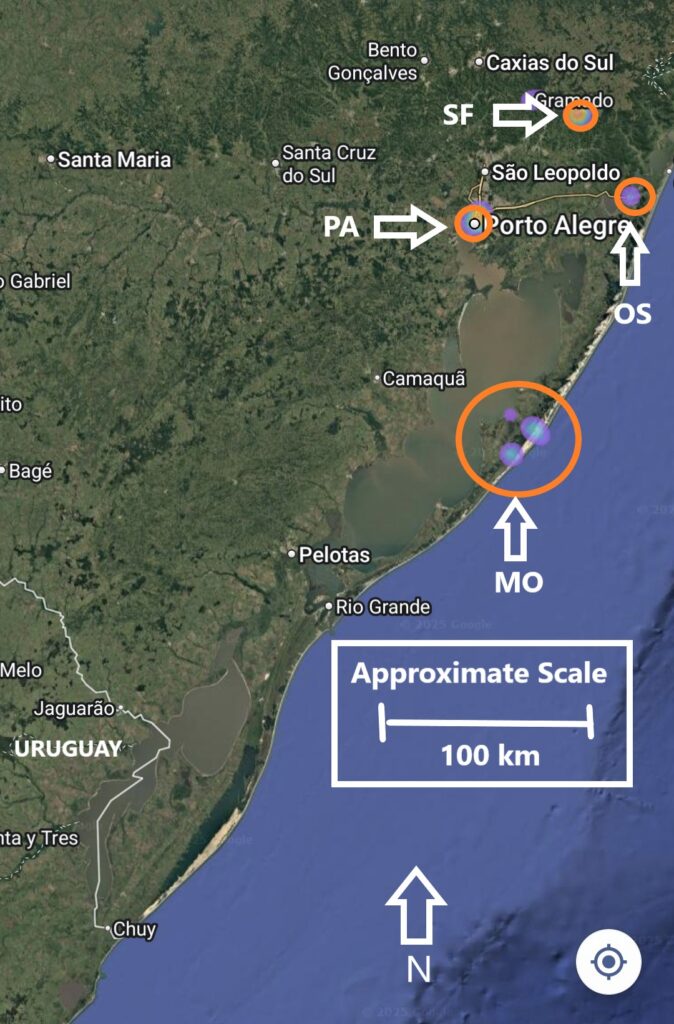
Except for a mangrove boat trip in Rio with Gabriel Mello, I hadn’t seen much of the Brazilian coastline. I deliberately avoided the crowded beach scene in Rio. A trip to Mostardas, that would include a bird survey of the outer coast, should be perfect.
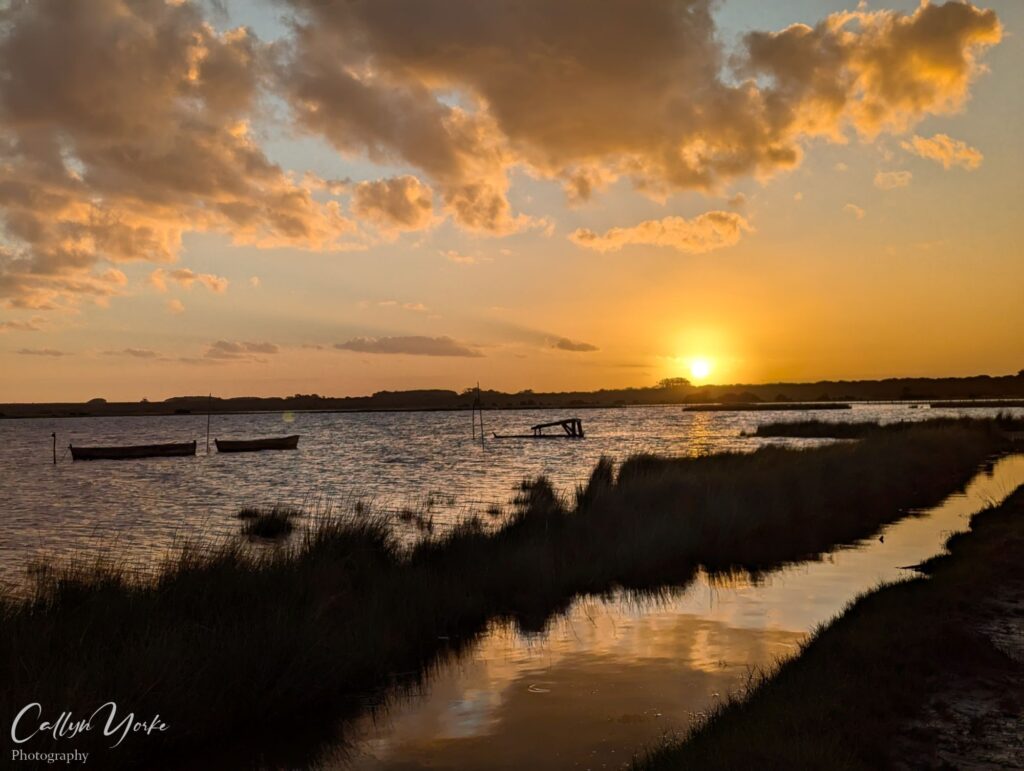
Southbound from São Francisco de Paula, we stopped in Osorio, where there was a large saltwater lagoon, mudflat and marsh, called Lagoa do Marcelino. We found a diverse community of waterbirds, mostly within binocular viewing distance.
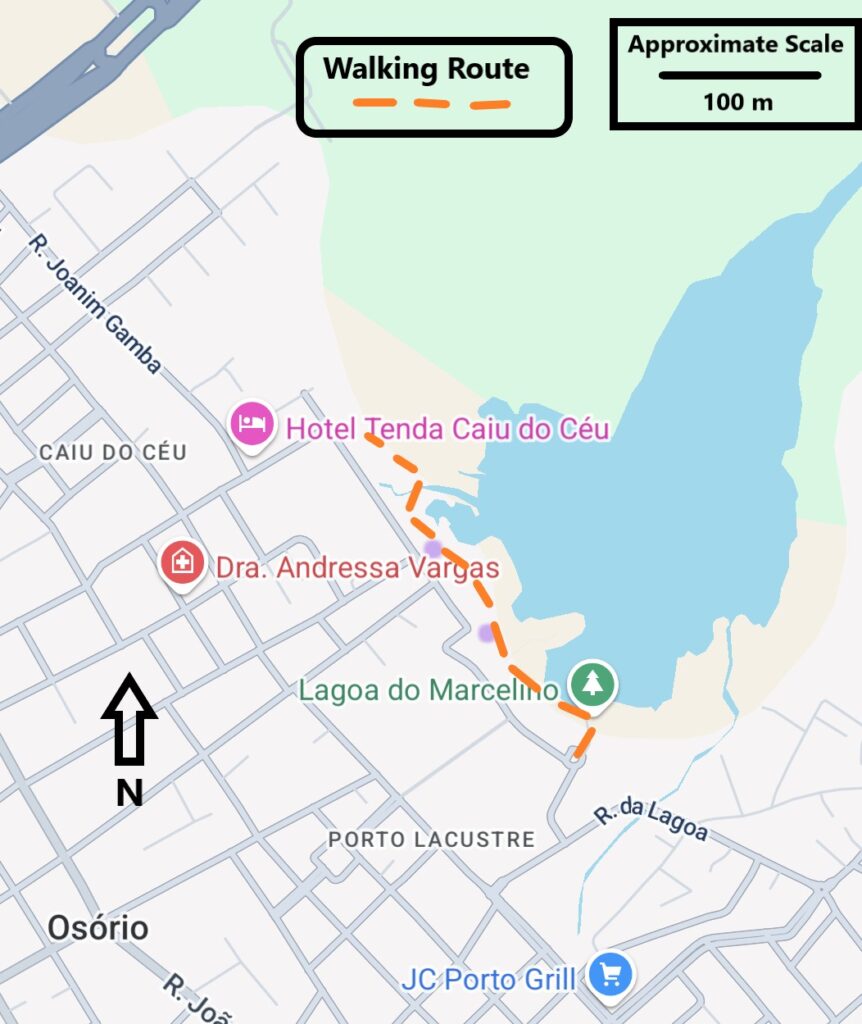
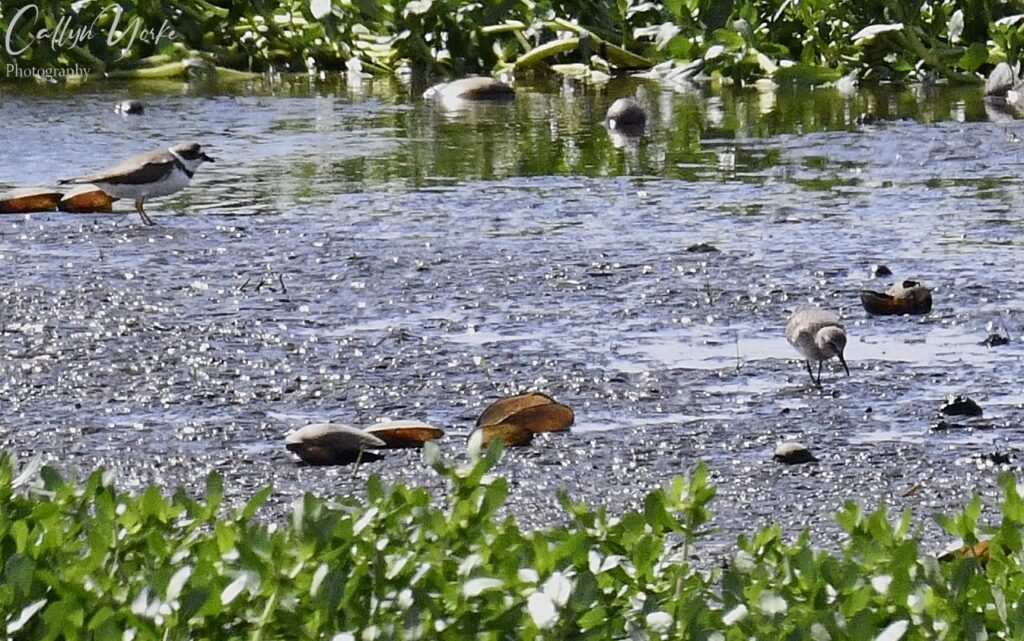
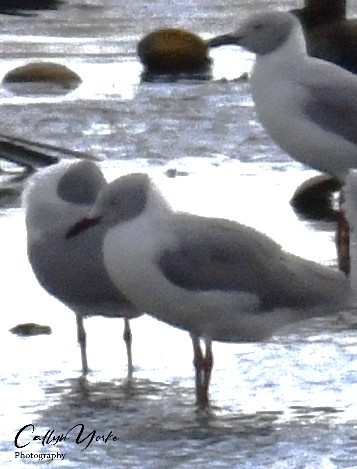
Among the birds on the mudflats and in the marsh, were several new species for my Brazil trip list – Plumbeous Rail, White-backed (Black-necked) Stilt, Semipalmated Plover, Greater Yellowlegs, White-rumped Sandpiper, Brown-hooded Gull, Gray-hooded Gull and Black Skimmer. An interesting, unidentified sandpiper was subsequently discovered when editing my photos. The relatively long and thin, distinctly down-curved bill caught my attention. Curlew Sandpiper? Gabriel Mello, an expert on the birds of Brazil, examined the image and concluded that it probably could not be positively identified beyond a Calidris sp.
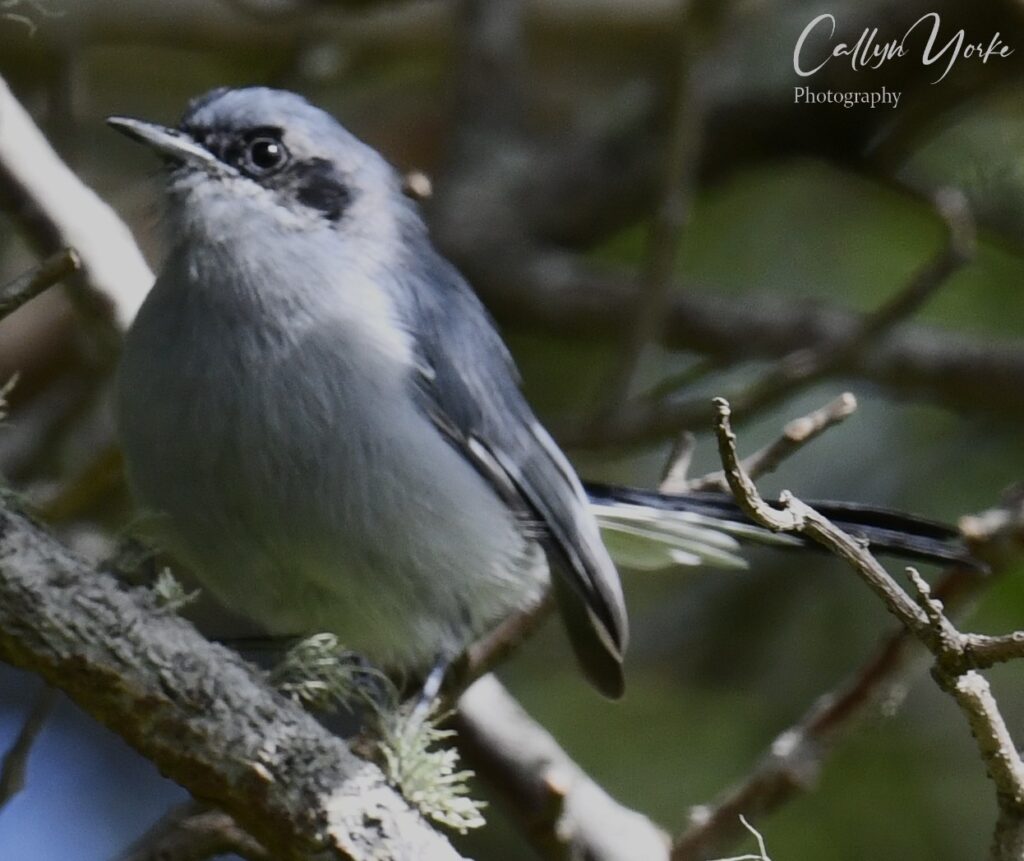
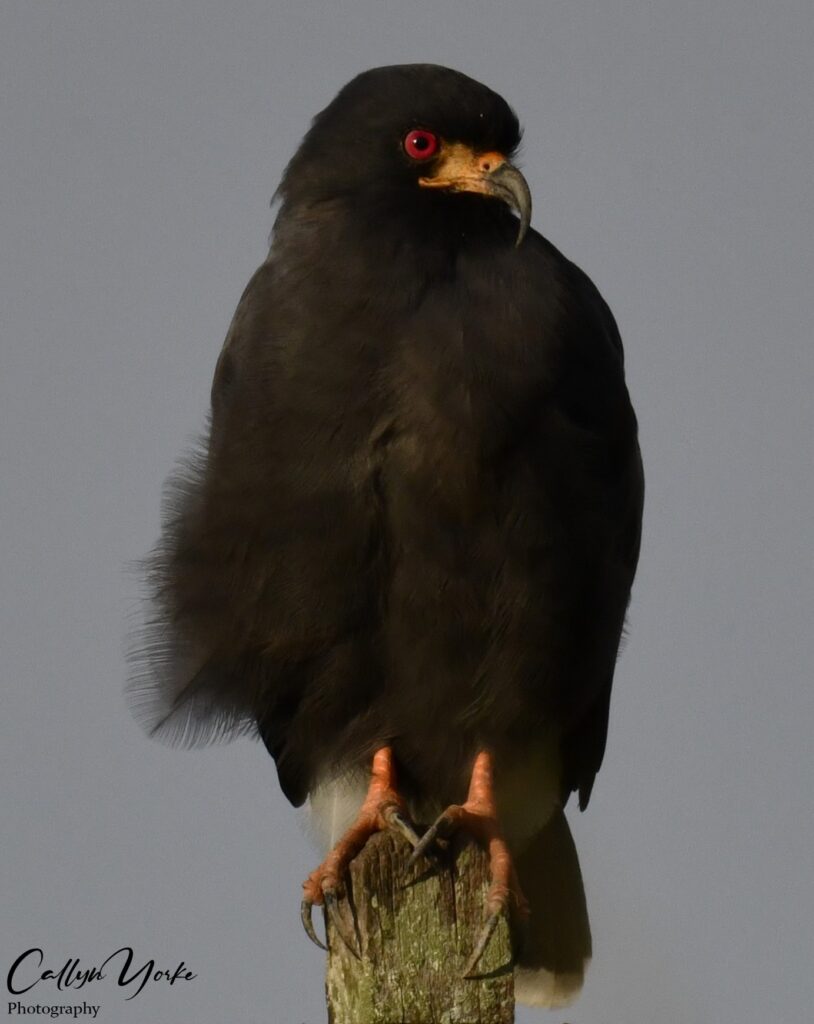
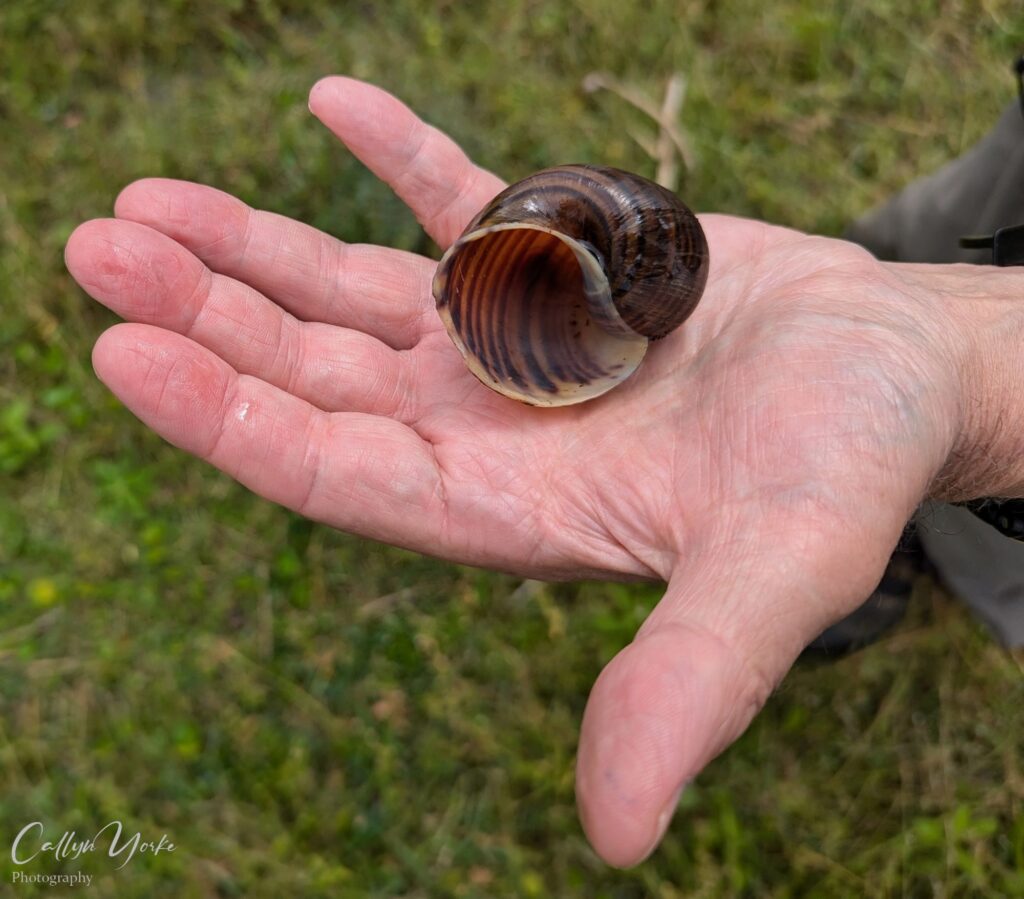
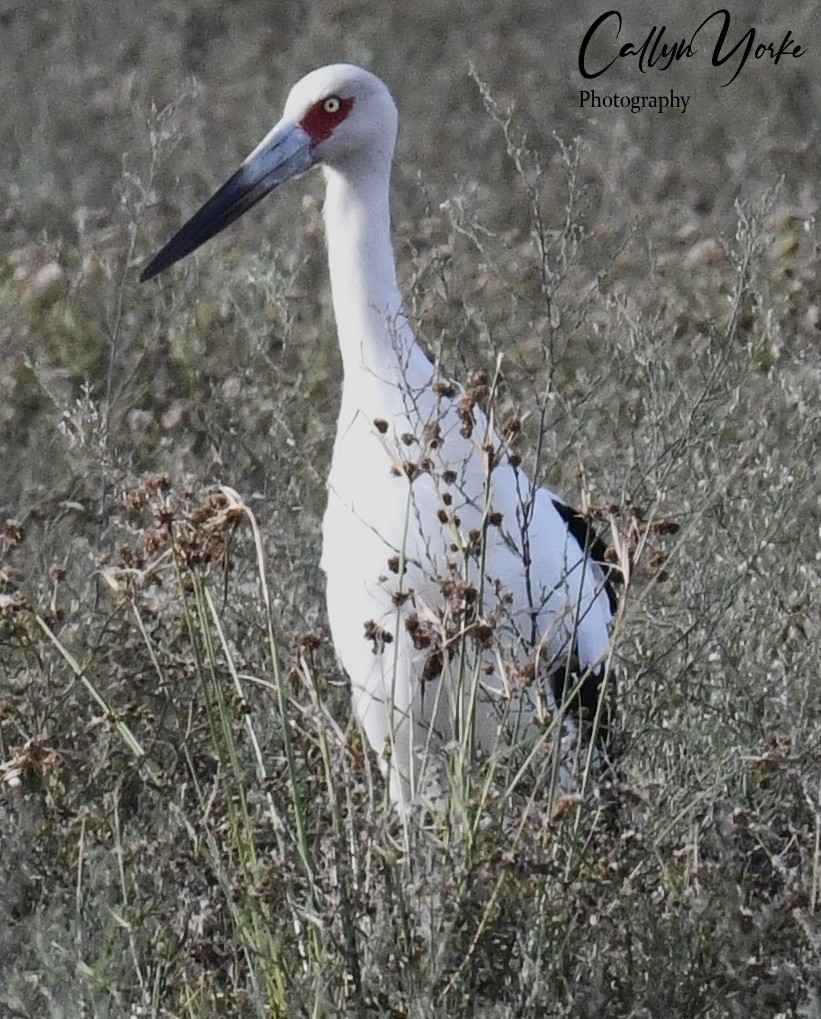
Proceeding on coastal highway #101, we made a few brief stops on side roads for birds in the wetlands and pampas grassland. There, we added another group of new birds to the list, including, Giant Woodrail, Maguari Stork, Snail Kite, Chatoy Spinetail, Straight-billed Reed-haunter, White Monjita, White-rumped Swallow and Masked Gnatcatcher. All of those species and many more would be seen again during our surveys of the Mostardas area.
Later that afternoon we checked into the basic, 2-star, Pousade Alegre Hotel, centrally located on the dusty main street of Mostardas. Evidently, there were no other lodging options. Mostardas was a little beyond what the Lonely Planet folks might classify as ‘laid-back’. With the majority of businesses closed, it was approaching ghost town status. Although rather bleak and lacking much character, the town wasn’t a bad choice for a base camp. Except for a paucity of dining choices (a minimal breakfast buffet was included with the room), the hotel was a convenient location for excursions in the area, including nearby wetlands, pampas grassland and the outer coast. There was no need for Roberto to apologize. We were there for birding, not for vacation.
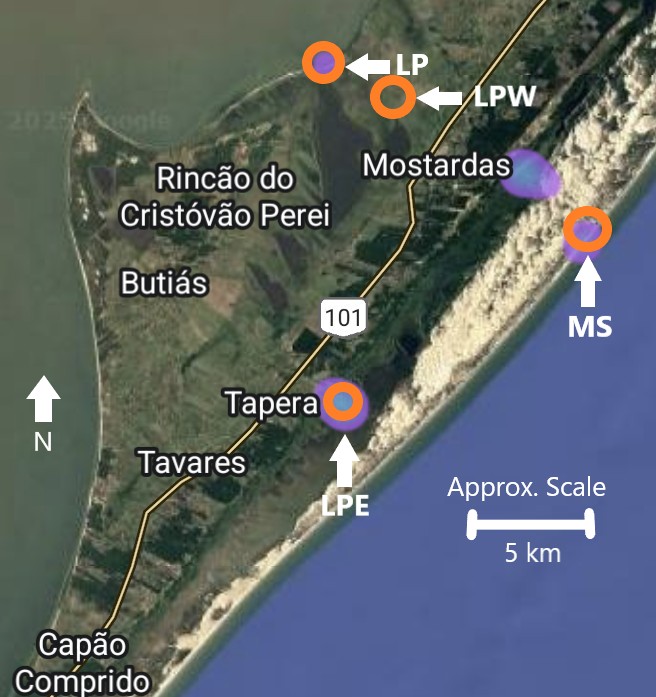
Birding in the Mostardas area was phenomenal. The following morning after breakfast, we drove north then westward on a dirt road leading to Lago dos Patos, a huge inland body of brackish water. The wetlands and pampas grassland on either side of the fenced roadway had abundant and diversified birdlife. Every stop produced new bird species, often at close range and begging to be photographed. Juggling my binocular, camera and pocket notebook, this was field ornithology at its best.
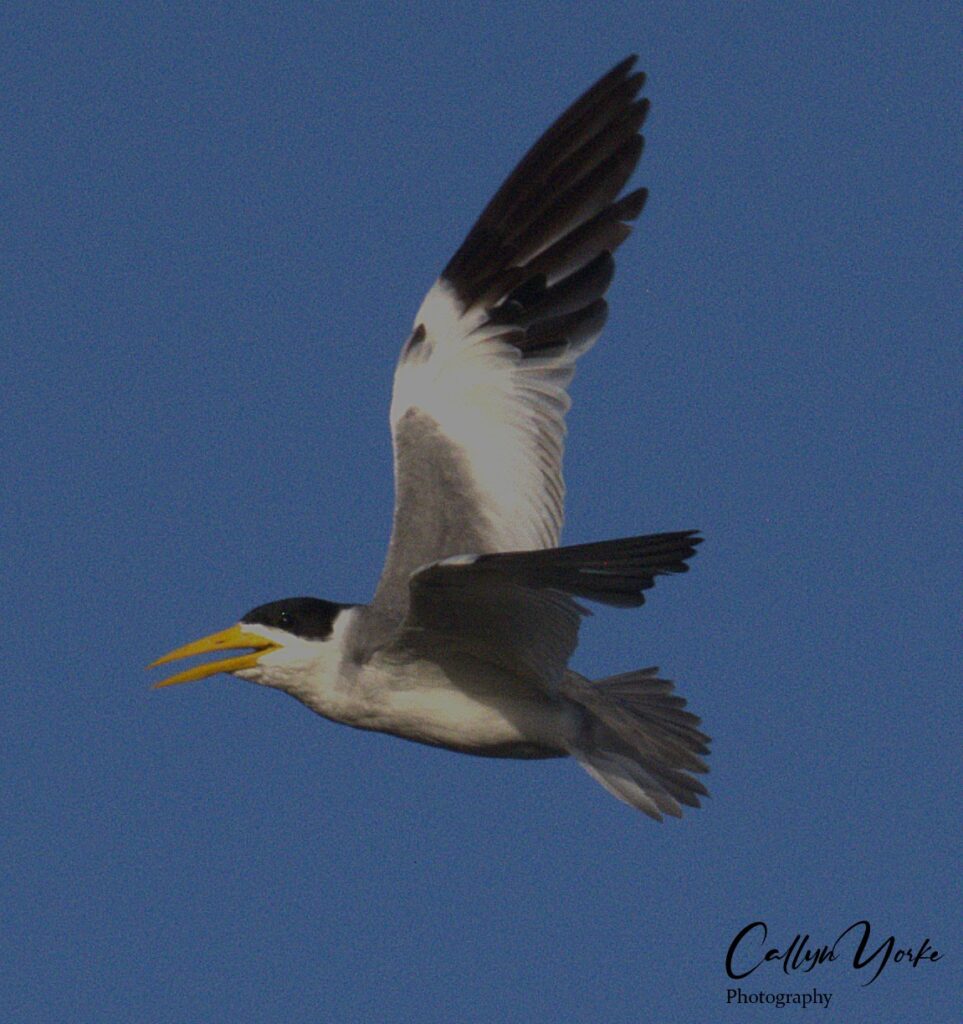
Roberto was usually a few steps ahead and waving to me when he found a new bird. He knew only the Portuguese bird names, and often had to find an image of a bird on his cell phone to show me. It was a frustratingly slow process at times, especially if I had not yet seen the bird he was referring to. But the language barrier was not a matter of immediate concern. There were many exciting new birds to be found and photographed. We were as wide-eyed as a couple of kids in a candy store. By the end of the first morning at Lago dos Patos and afternoon in Lagoa do Peixe National Park, we had tallied sixty-five bird species. Several of those were life-birds for me, e.g., Pantanal Snipe, Large-billed Tern, Wren-like Rushbird, Many-colored Rush Tyrant, Spectacled Tyrant, Hudson’s Castanero, White-banded Mockingbird and Correndra Pipit.
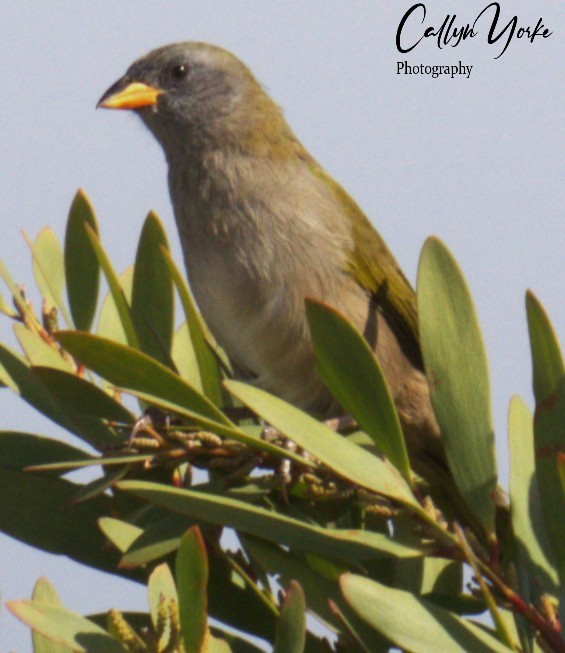
The next morning we drove from the hotel to the South Atlantic coastline. The road crossed a large sand dune that was habitat for the Pampa Finch. One bird was exposed on a tall shrub and appeared to be an easy subject for a portrait. However, having waited until I was ready with the camera, it made a series of perch changes and I ended up with only a distant image. I could have done better exercising a little patience. But we were almost to the outer shore, a potentially bird-rich habitat I had not yet seen.
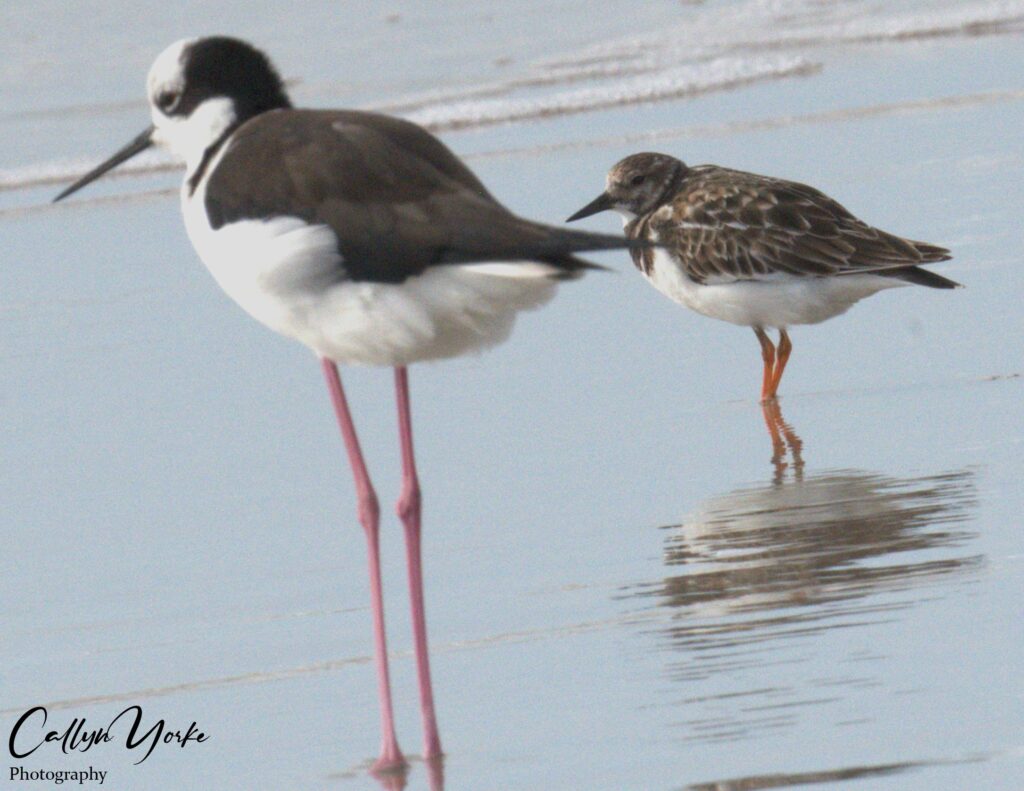
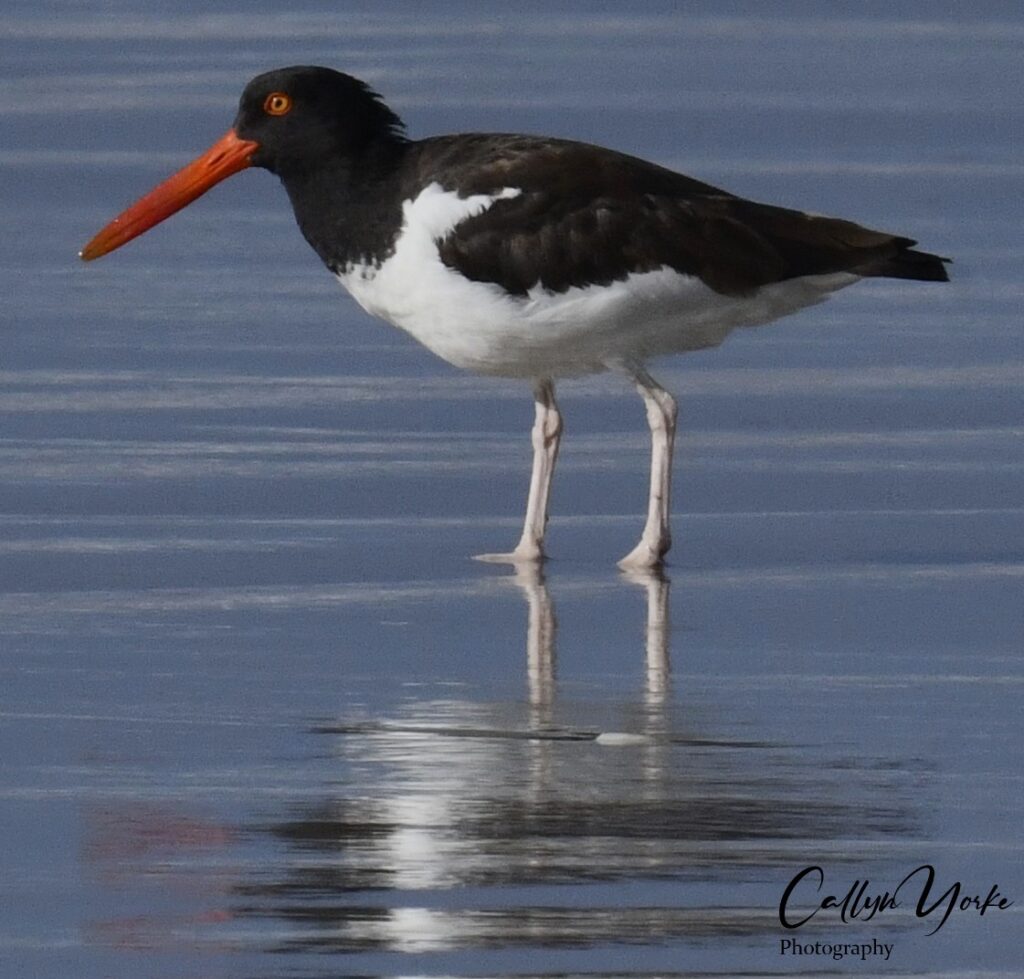
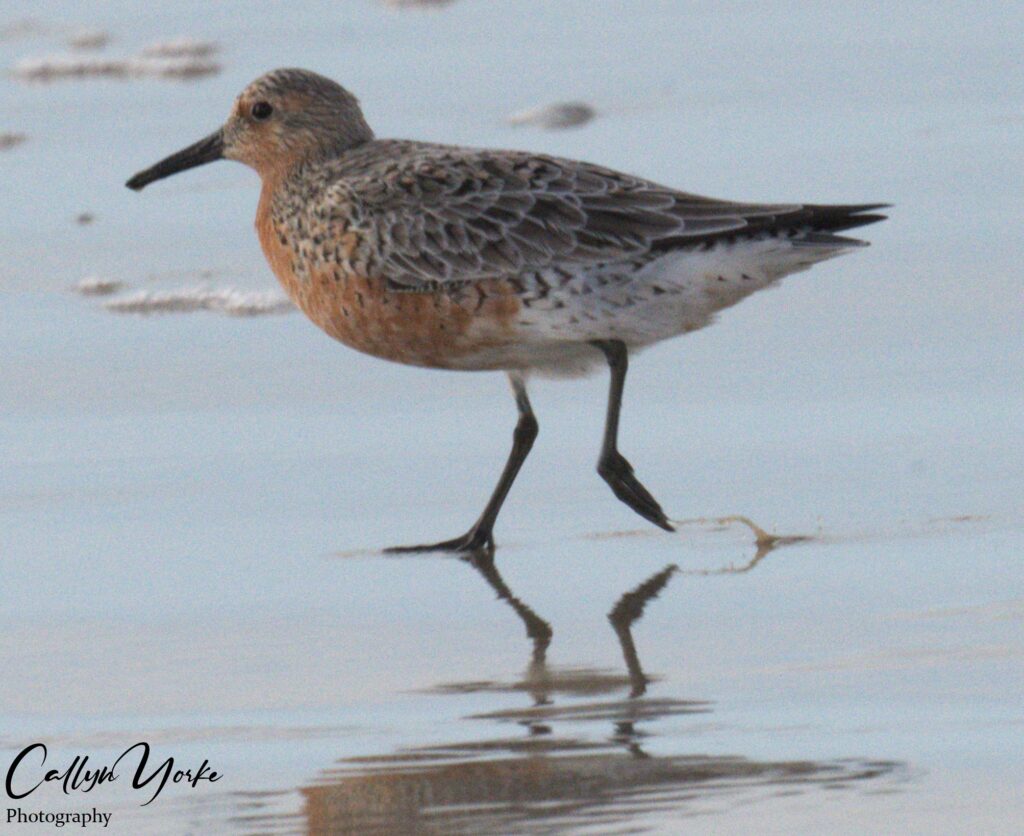
High seas and heavy surf pounded the shore. Birds could be seen in the distance but it was difficult using a binocular while facing into a gusty onshore wind. We turned and drove down to the hard-packed sand at the tideline. For the next five kilometers, cruising southward, there were numerous scattered flocks of American Oystercatcher, with sequentially lower numbers of Sanderling, White-backed (black-necked) Stilt, White-rumped Sandpiper and Red Knot. A lone Ruddy Turnstone was in the mixed species flock of shorebirds; it was apparently a life-bird for Roberto. Most of those species would be familiar to American birders, yet all were new for my Brazil trip list.
Further south, there were several small flocks of unidentified gulls and terns on shore. Roberto drove slowly toward them. Vehicles sped by us, flushing shorebirds from the low-tide zone. We parked off the main traffic route.
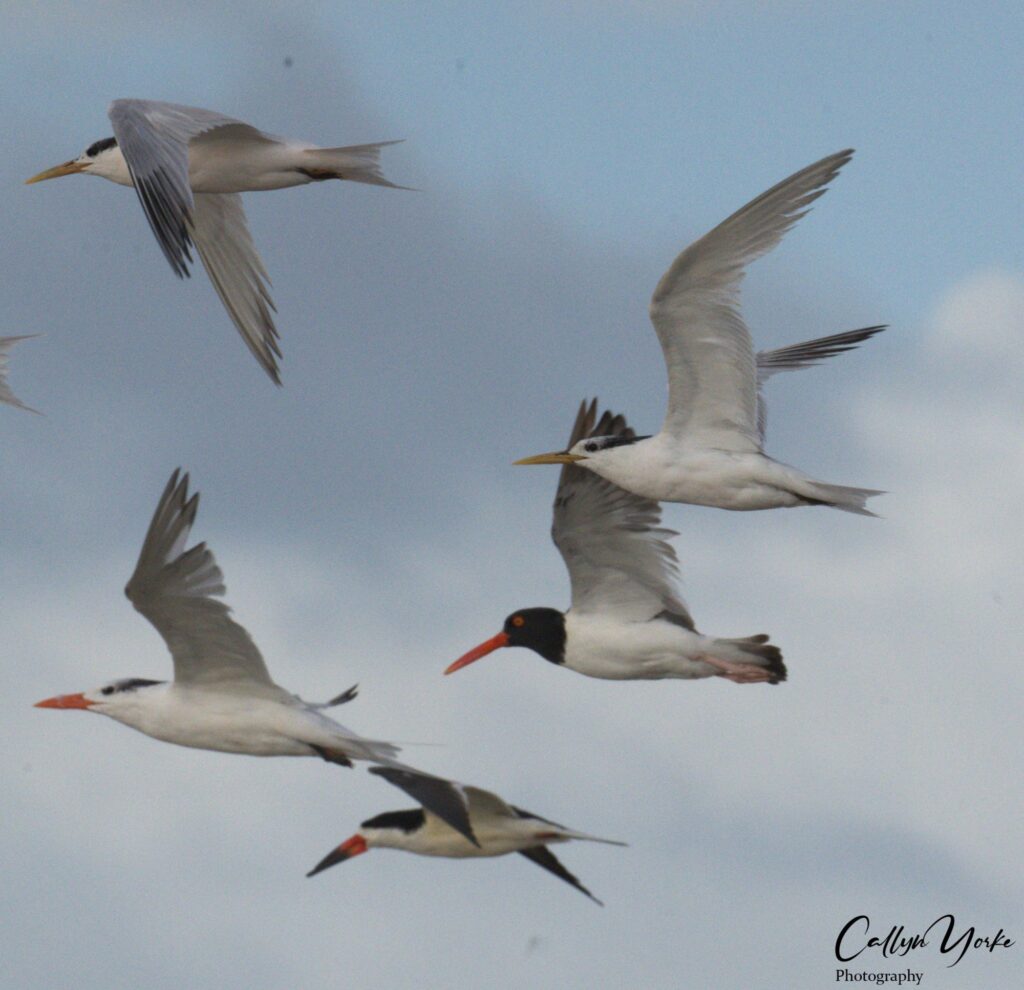
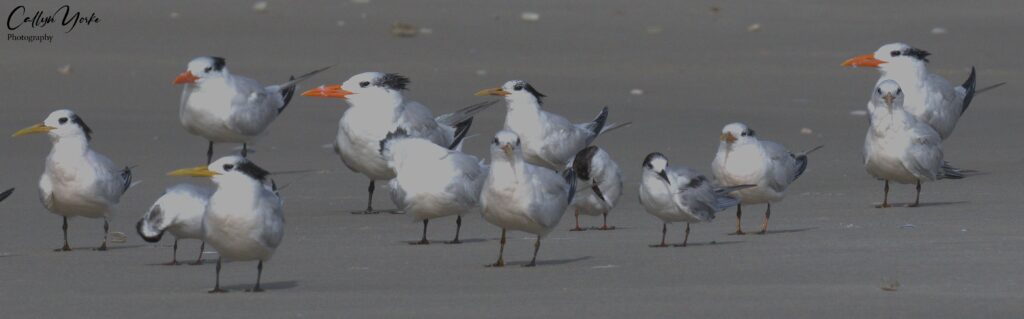
Approaching slowly on foot, I was able to stand about 15 m from birds resting above the high-tide line. Those birds remained together; some were busy preening, probably a form of nervous displacement behavior. While alert to my presence, they were momentarily tolerant. However, the preening behavior tended to obscure key identification features. When they ceased preening and flushed, identifiable images of the birds were captured.
The tide was out and a wide swath of sandy shore was exposed. Several vehicles passed us at highway speeds. Apparently, the shoreline was a low-tide expressway. We had to take care when exiting the car, so as to avoid a serious accident.
For geographical reference, we were on a northern, discontinuous segment of the longest uninterrupted stretch of sandy coastline on the planet. If we chose to continue driving southward on the beach, mindful of the tides, we might reach the beginning of the Praia do Cassino, extending 254 km southward from the seaport of Rio Grande. Starting from our location in Mostardas, that would surely be a world-class coastal transect for shorebirds. I had already stopped counting a seemingly astronomical number of American Oystercatchers.
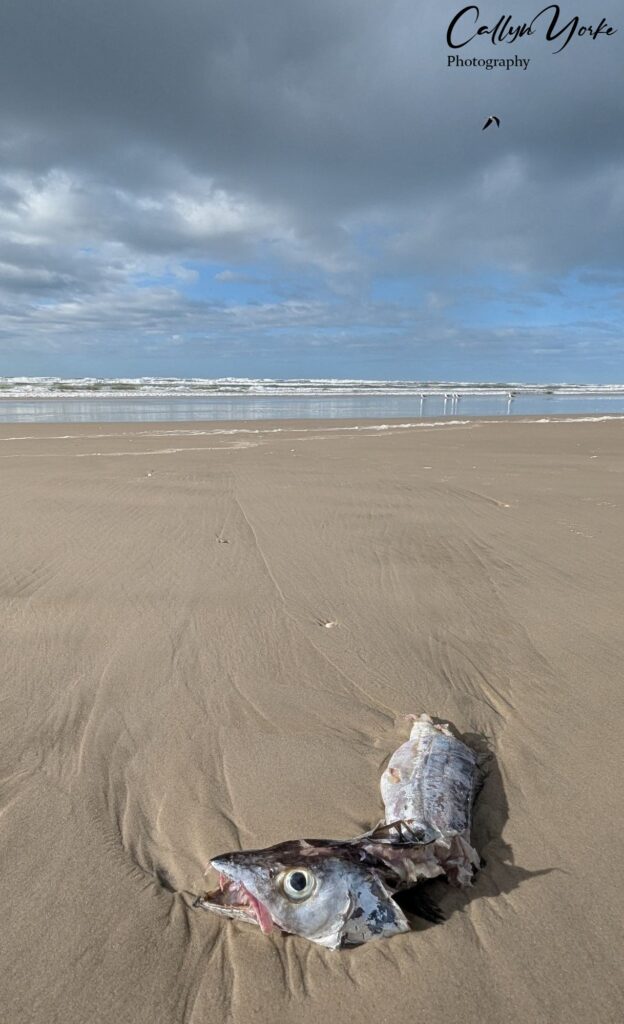
Due to inclement weather and incoming tide, we hadn’t much time left for birding. Pelted by intermittent rain, the visibility was decreasing. There were distant flocks on the beach remaining to be identified. We continued southward. I was quietly betting that we would spot something unusual. What we definitely did find, were new species for my Brazil trip list – Common Tern, Gull-billed Tern, Cabot’s Tern, Snowy-crested Tern, Royal Tern and a questionable candidate for Antarctic Tern.
When down to about our last few minutes, Roberto made a U-turn and we headed back to the beach exit road. The low tide expressway was closing. We had to settle for a partial bird survey with only rough estimates of the numbers of individuals on shore.
That afternoon, we made a second visit to the Lago dos Patos wetlands and pampas. It was a good review of the regional avifauna. As a bonus, a new bird was found for my Brazil trip list – another lifer – Brown and Yellow Marshbird. Our day’s tally was seventy-one bird species.
We walked a few blocks after dark and found an Italian restaurant serving dinner in Mostardas, The chef’s special was a tasty, Brazilian home-style pasta. After celebrating with a bottle of Chilean red wine, we stumbled back to the hotel, followed closely by a friendly dog that was apparently expecting scraps from the restaurant.
The next day we returned to São Francisco de Paula, with a highway buffet-lunch stop, then a brief, high-tide visit to Lagoa do Marcelino in Osorio. It had indeed been a memorable birding trip – one of my best in Brazil.
_________________________________________
ANNOTATED BIRD LIST – Rio Grande do Sul, Brazil March 26 – April 11, 2025 Callyn Yorke
KEY
Observer (when a bird species was heard or seen by only one of us): RB = Roberto Botelho; AP = Augusto Pötter; CY = Callyn Yorke; HO = heard only and/or seen briefly; identified primarily by specific vocalizations;
Behavior and Distribution: greg. = gregarious; voc. = vocalizations (calls and/or song) msf = mixed species flock; ubiq. = ubiquitous in appropriate habitat.
Location Abbreviations: BG = Botanical Garden, Porto Alegre; LPE = Lagoa do Peixe; LPW = Lago dos Patos, Mostardas; MS = Mostardas coastal shore area; OS = Osorio, Lagoa do Marcelino; PM = Parque Mascarenhas, Porto Alegre; PRM = Pousada Recanto da Mata, SF de Paula; SF = Sao Francisco de Paula, general area. See preceeding maps and text for further details.
Abundance: Numbers for each species account represent actual counts (1- 20 individuals) or estimates (> 20 individuals); Note: Unless indicated otherwise, the location with the highest numerical count is given first. Count data may be missing for additional locations in a species account.
Species Acronyms: The first four letters of English common names, e.g. Southern Lapwing = SOLA; Ruddy Ground Dove = RUGD, etc.
Systematics and Taxonomy: An amalgam of AVIBASE Bird Checklist for Rio Grande do Sul; IOC, AOS and Birds of the World, Cornell University 2025. Country and Regional Endemics are given in bold face type.
BIRDS
RHEIFORMES: Rheidae
- Greater Rhea Rhea americana 20 greg. a loose flock in a pasture, LPE.
ANSERIFORMES: Anhimidae
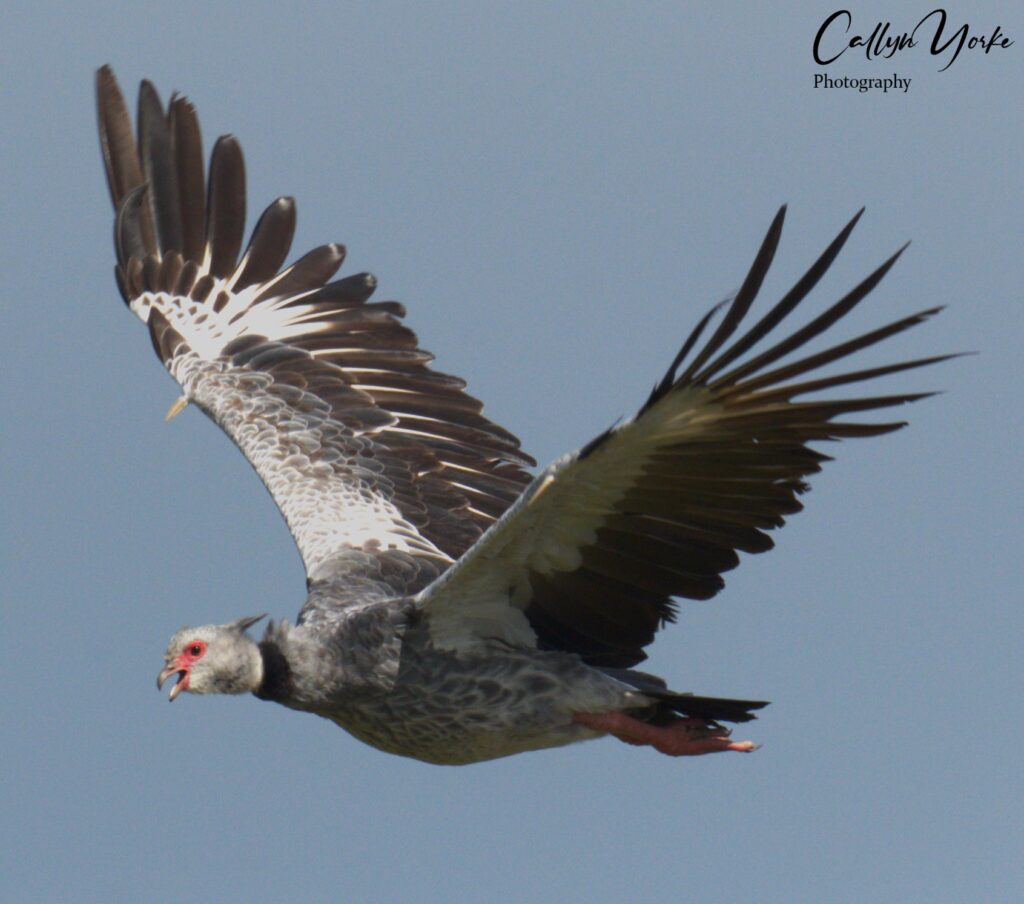
- Southern Screamer Chauna torquata 5 greg. a small flock perched in a tree canopy; vocal in low flight; LPW.
ANSERIFORMES: Anatidae
- Brazilian Teal Amazonetta brasiliensis 5 greg. pairs swimming in marsh and inshore waters, LP.
- Speckled Teal Anas flavirostris 15 greg. swimming in lake; edge of farm pond, SF.
- Muscovy Duck Carina moschata 6 greg. on lake island, SF.
GALLIFORMES: Cracidae
- Dusky-legged Guan Penelope obscura 1 a regular visitor at the fruit feeder PRM.
COLUMBIFORMES: Columbidae
- Feral Rock Pigeon Columba livia 10 in and around towns, ubiq..
- Picazuro Pigeon Patagioenas picazuro 5 usually seen in flight, ubiq..
- White-tipped Dove Leptotila verreauxi 1 PM.
- Eared Dove Zenaida auriculata 15 most commonly seen in and around pasture and edges of towns, ubiq..
- Ruddy Ground Dove Columbina talpacoti 30 on roadways, ruderal fields, LPW; ubiq..
- Picui Ground Dove Columbina picui 25 greg. often with RUGD, LPW; LPE; PM.
CAPRIMULGIFORMES: Apodidae
- Sick’s Swift Chaetura meridionalis 3 greg. flying @ 50-100m agl, BG; PM; SF.
CAPRIMULGIFORMES: Trochilidae
- Black Jacobin Florisuga fusca 1 at feeder following heavy rains, PRM.
- Plovercrest Stephanoxis lalandi 1 briefly at feeder, then chased off by VCWO, PRM.
- Glittering-bellied Emerald Chlorostilbon lucidus 1 roadside shrubs, near Osorio.
- Swallow-tailed Hummingbird Eupetomena macroura 2 hovering around outer tree canopy, PM.
- Violet-capped Woodnymph Thalurania glaucopis 1 (m) the dominant hummingbird at feeder, PRM.
- White-throated Hummingbird Leucochloris albicollis 1 at feeder, PRM.
- Gilded Hummingbird Hylocharis chrysura 3 in broadleaved tree subcanopies, PM.
CUCULIFORMES: Cuculidae
- Smooth-billed Ani Crotophaga ani 10 greg. in wet pasture with tall shrubs and forest edge, ubiq.
- Guira Cuckoo Guira guira 5 greg. in ruderal fields, wetlands, parkland with scattered trees, ubiq..
GRUIFORMES: Rallidae
- Rufous-sided Crake Laterallus melanophaius 1 secretive at edge of marsh, PM.
- Giant Wood Rail Aramides ypecaha 4 loosely gregarious, pairs on roadway and in wet pasture, LPW (photo).
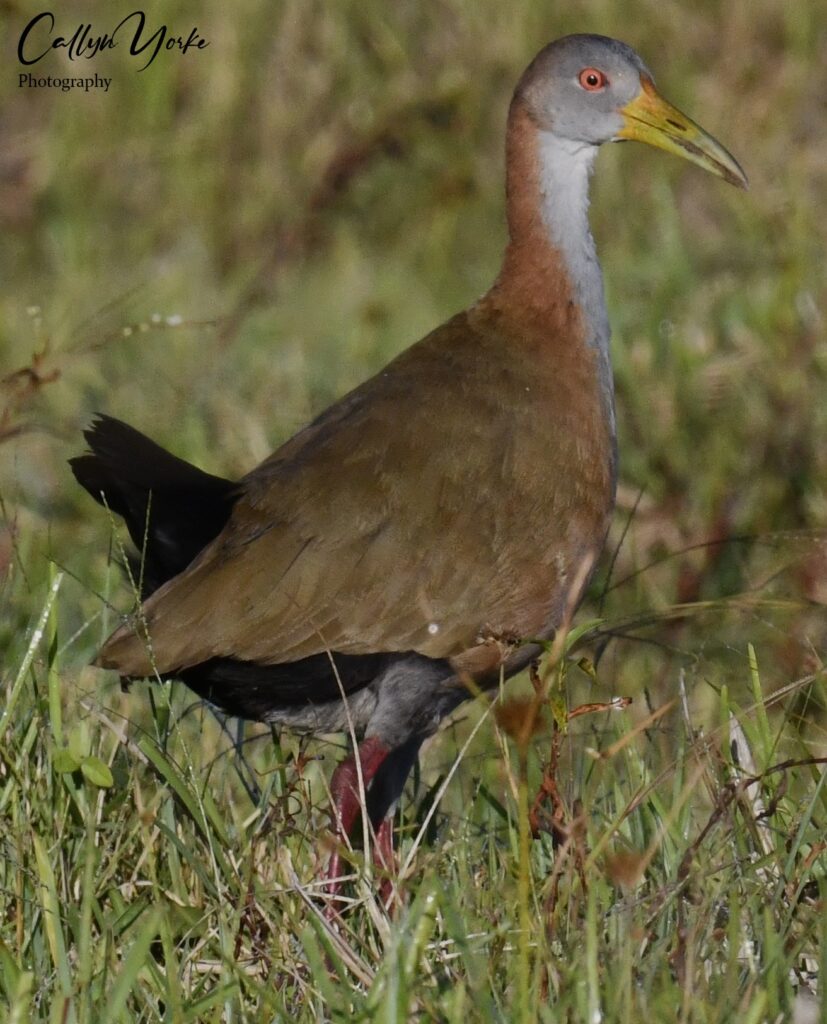
- Slaty-breasted Wood Rail Aramides saracura 1 BG; PM; PRM.
- Gray-necked Wood Rail Aramides cajaneus 1 PM.
- Blackish Rail Pardirallus nigricans 1 PM.
- Plumbeous Rail Pardirallus sanguinolentus 2 foraging at edge of brackish marsh in drainage canal, OS.
- Common Gallinule Gallinula galeata 15 greg. wetlands, ubiq..
GRUIFORMES: Aramidae
- Limpkin Aramus guarauna 10 in wetlands with dense cover, ubiq..
PELECANIFORMES: Ciconiidae
- Wood Stork Mycteria americana 4 loosely greg in wet fields, 30, LPW.
- Maguari Stork Ciconia maguari 40 loosely greg. in pasture and wet fields, LPW (photo).
PELECANIFORMES: Ardeidae
- Rufescent Tiger-Heron Tigrisoma lineatum 1 PM; 2 LPW; LPE.
- Black-crowned Night-Heron Nycticorax nycticorax 5 greg. in marsh, PM.
- Striated Heron Butorides striata 2 in dense marsh, ubiq..
- Western Cattle-Egret Bubulcus ibis 80 greg. in flooded fields, wet pasture, ubiq..
- Cocoi Heron Ardea cocoi 8 in wetlands and edges of lakes and ponds, LPW; LPE.
- Great Egret Ardea alba ubiq. 10 individuals and pairs in wetlands, ubiq..
- Whistling Heron Syrigma sibilatrix 3 in wet pasture, LPW; LPE.
- Little Blue Heron Egretta caerulea 2 in deeply flooded pasture, LPW.
- Snowy Egret Egretta thula 30 ( some in alt. plmg.), wetlands, ubiq..
PELECANIFORMES: Threskiornithidae
- Roseate Spoonbill Platalea ajaja 4 greg. in wet pasture and in flight, LPW.
- Buff-necked Ibis Theristicus caudatus 10 greg. open fields, wetlands, and farmland, ubiq..
- Green Ibis Mesembrinibis cayennensis 4 greg. in wet pasture and lakeside, LP.
- White-faced Ibis Plegadis chihi 4 greg. in marsh, PM; 1, lakeside, LP; 20 LPE.
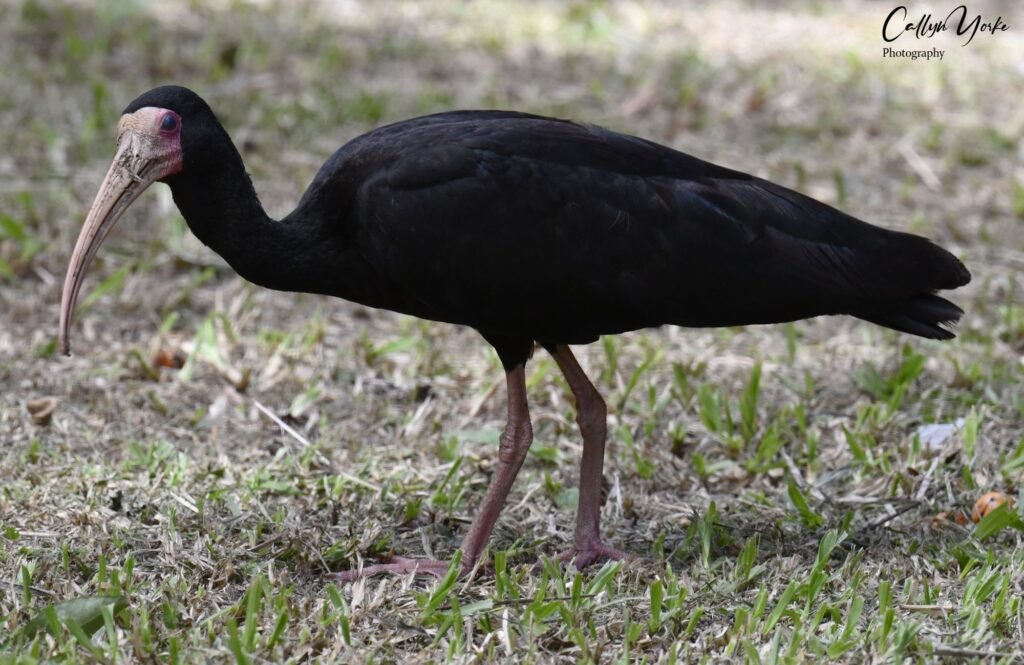
- Bare-faced Ibis Phimosus infuscatus 1 foraging on the lawn, BG (photo); 20 hillside fields around SF.
PELECANIFORMES: Phalacrocoracidae
- Neotropic Cormorant Phalacrocorax brasilianus 30 greg. on outer mudflat peninsula, OS; 10 in flight, LPE.
CHARADRIIFORMES: Haematopodidae
- American Oystercatcher Haematopus palliatus 300 + a partial count within about 5 km of a shoreline transect; extrapolating for 10 km of similar shoreline habitat, perhaps 1,000 individuals in the Mostardas area; loosely greg. in msf with gulls and other shorebirds; frequently flushed by speeding vehicles, MS.
CHARADRIIFORMES: Recurvirostridae
- White-backed (Black-necked) Stilt Himantopus mexicanus melanurus 100 + greg. MS; 15 LPW; LPE.
CHARADRIIFORMES: Charadriidae
- Semipalmated Plover Charadrius semipalmatus 6 loosely greg. foraging on mudflats, OS; 2 on shore, LPE.
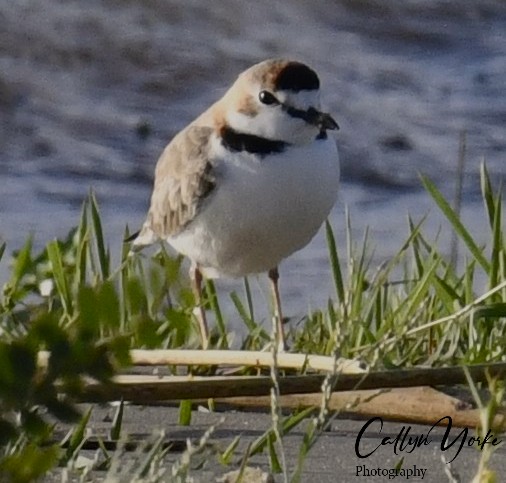
- Collared Plover Charadrius collaris 2 foraging on mudflats, OS (photo).
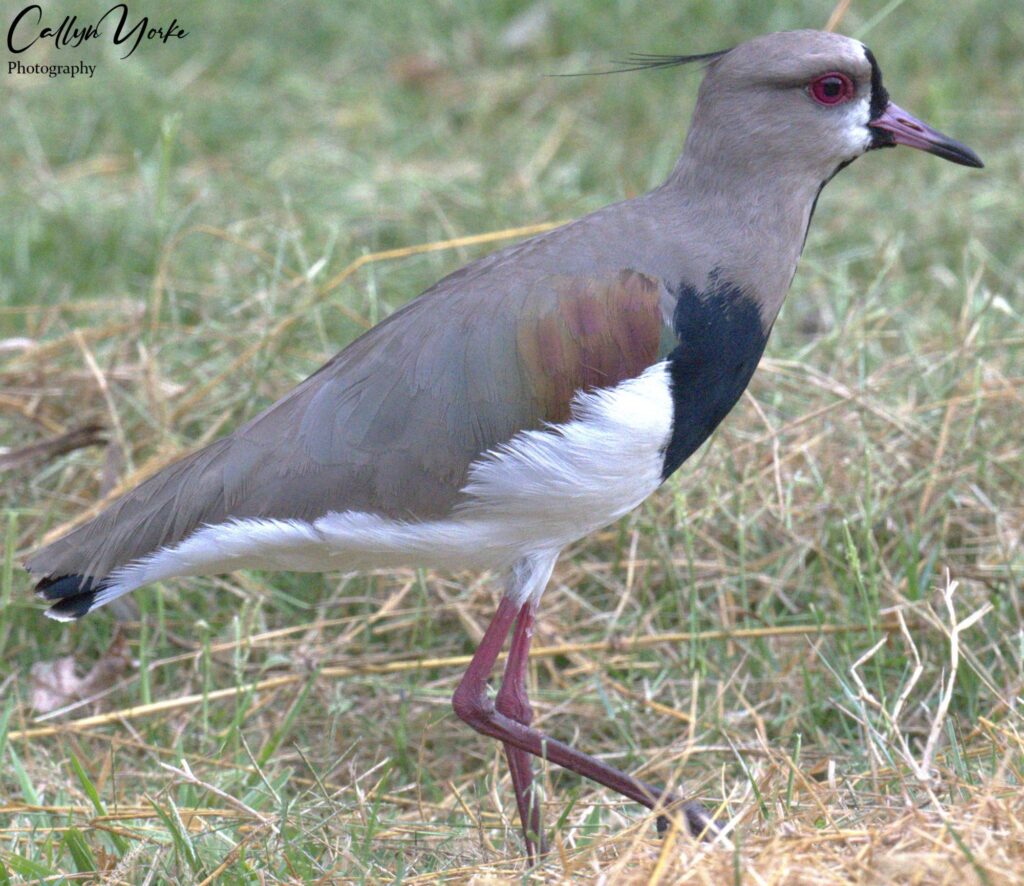
- Southern Lapwing Vanellus chilensis 10 loosely greg. pairs in wetlands, pasture and short-grass fields, ubiq..
CHARADRIIFORMES: Jacanidae
- Wattled Jacana Jacana jacana 20 greg. in ponds and deeply flooded fields, LPW, LPE.
CHARADRIIFORMES: Scolopacidae
- Ruddy Turnstone Arenaria interpres 1 with WRSA and AMOY, foraging near the waterline, MS.
- Red Knot Calidris canutus 16 alt. plmg. greg. in scattered small flocks with WRSA, AMOY and WBST, MS.
- Calidris sp. 1 ID: a small to medium-sized sandpiper with a relatively long, thin, decurved bill. Photographed foraging on mudflats with nearby SEPL, OS (photo – see Introduction).
- Sanderling Calidris alba 120 greg. most foraging at waterline with WRSA and AMOY, MS.
- White-rumped Sandpiper Calidris fuscicollis 40 loosely greg., foraging in msf with SAND, AMOY and REKN at waterline, MS; OS.
- Pantanal Snipe Gallinago paraguaiae 1 flushed from wet grass at edge of marsh, LP.
- Willet Tringa semipalmata 1 on shore with gulls, north of the road entrance, MS.
- Greater Yellowlegs Tringa flavipes 1 in shallows at edge of mudflat; in flooded field with herons and other waterbirds, OS; LPW; LPE.
CHARADRIIFORMES: Laridae
- Black Skimmer Rynchops niger 20 greg. on mudflats, OS; individuals on shore in msf with terns, MS.
- Brown-hooded Gull Chroicocephalus maculipennis 5 (ad., imm) bsc. and trans. plmg., greg. standing on outer mudflat peninsula with SNEG and NECO, OS; lakeshore, LP.
- Gray-hooded Gull Chroicocephalus cirrocephalus 8 (ad., imm. trans. plmg.) greg. on outer mudflats; in flight, OS; LPE.
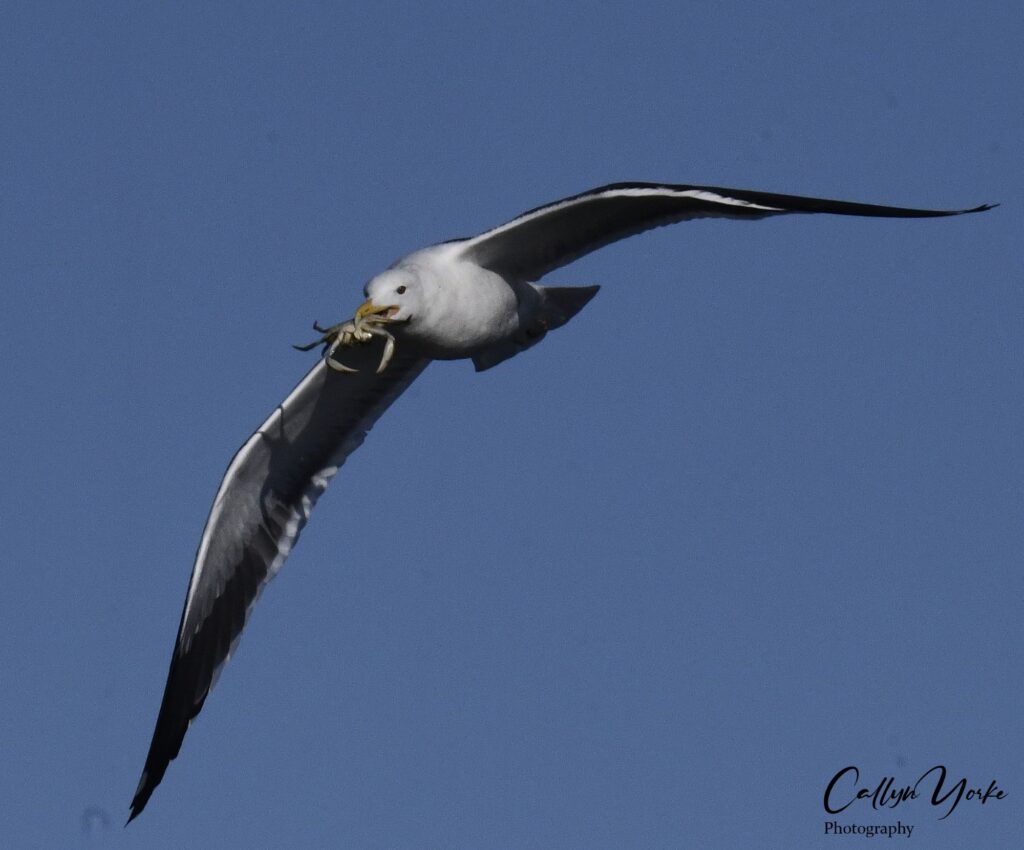
- Kelp Gull Larus dominicanus 10 (ad., imm) in flight; two with crab food items in beak, LPE.
- Large-billed Tern Phaetusa simplex 5 (ad., imm) vocal in flight, low over wetland and shore, LPE; MS.
- Gull-billed Tern Gelochelidon nilotica 1 (ad.) in flight over wetland, LPE.
- Common Tern Sterna hirundo 25 (ad; bsc., trans. plmg.) preening on shore in msf with ROTE and CATE, MS.
- Snowy-crowned Tern Sterna trudeaui 1 on shore in msf with COTE and CATE, MS.
- Cabot’s Tern Thalasseus acuflavidus 16 (ad.) bsc. plmg. resting on shore in msf with ROTE and COTE, MS.
- Royal Tern Thalasseus maximus 10 (ad. bsc. plmg.) resting on shore in msf with COTE and CATE, MS.
ACCIPITRIFORMES: Cathartidae
- Black Vulture Coragyps atratus 12 ubiq..
- Turkey Vulture Cathartes aura 3 soaring 30-50m agl, LPW; Hwy 101.
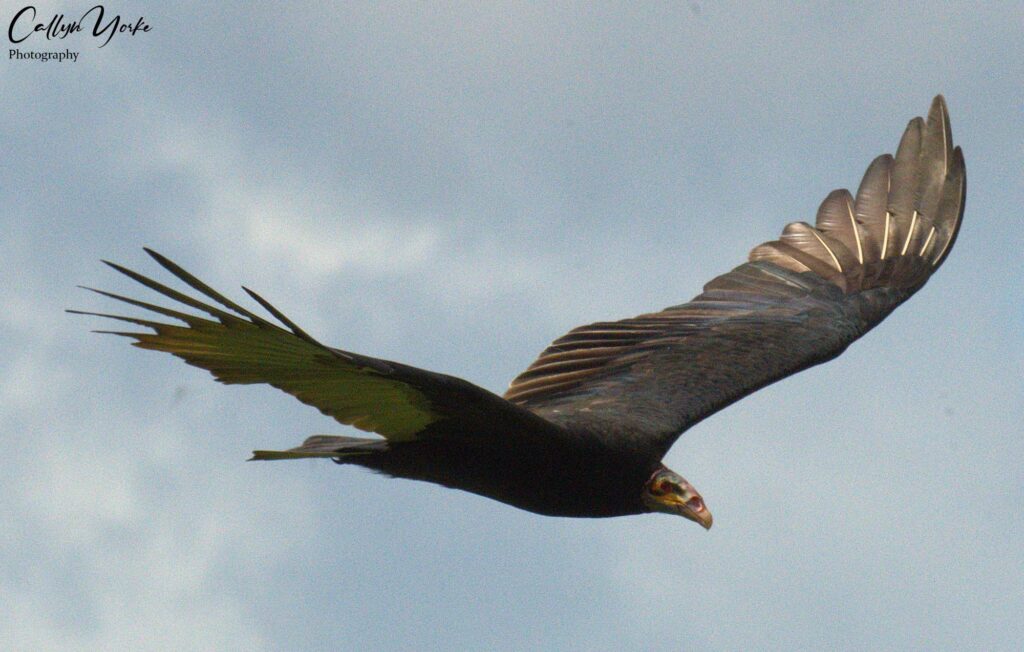
- Lesser Yellow-headed Vulture Cathartes burrovianus 2 individuals soaring 20-30m agl over wide area, LPW; OS (photo).
ACCIPITRIFORMES: Accipitridae
- White-tailed Kite Elanus leucurus 1 (RB) in low flight over farmland, HWY. 101 n of SF.
- Long-winged Harrier Circus buffoni 3 (m,f) individuals in low flight over pasture and flooded fields, LPW (photo).
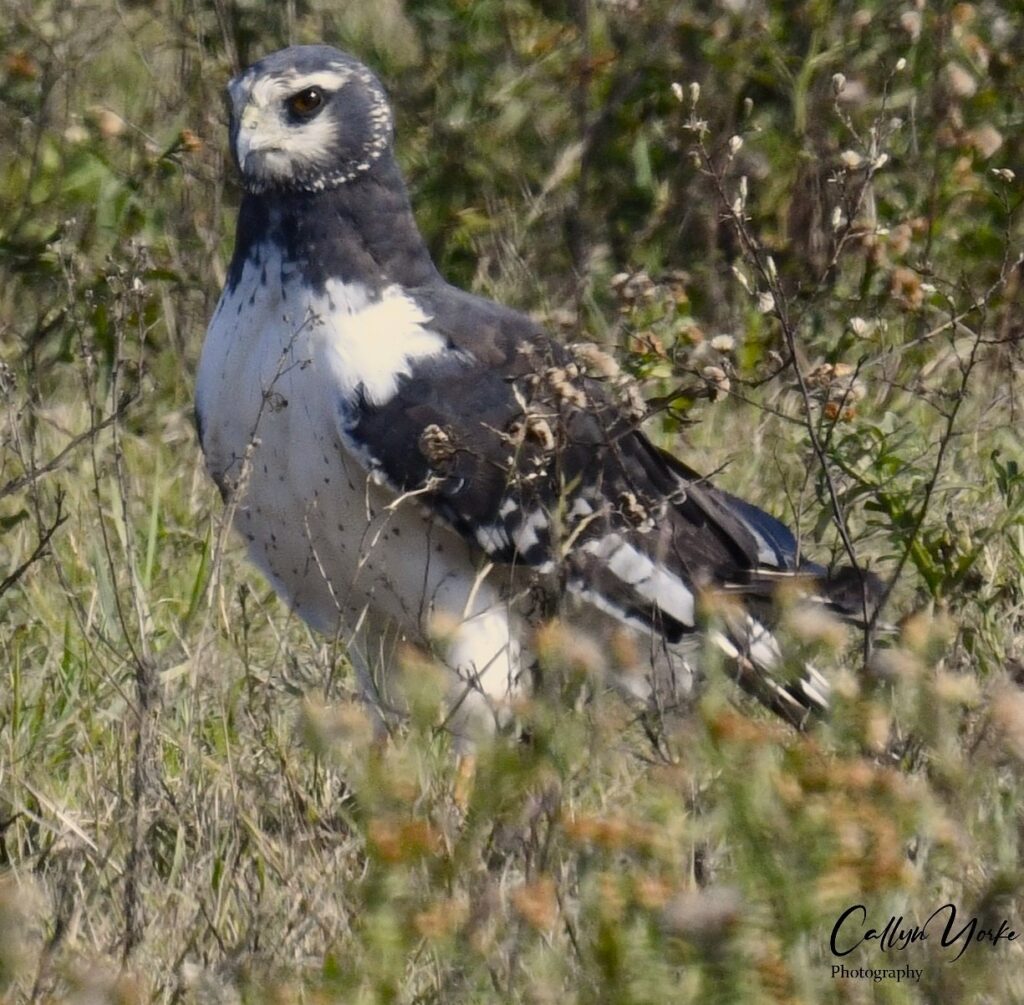
- Roadside Hawk Rupornis magnirostris 2 perched on utility wires and in isolated trees, ubiq..
- Savanna Hawk Buteogallus meridionalis 6 individuals on fence posts and low flight over flooded fields and pasture, LPW.
- Snail Kite Rostrhamus sociabilis 20 (ad., imm) loosely greg. in open fields; fence posts, LPW.
STRIGIFORMES: Strigidae
- Burrowing Owl Athene cunicularia 1 on hummock in a wet pasture, LPE.
TROGONIFORMES: Trogonidae
- Surucua Trogon Trogon surucura 1 recovered and released after suffering an in-flight window accident, PM.
PICIFORMES: Picidae
- White-spotted Piculet Venilornis spilogaster 1 on middle and upper middle limbs of a broad-leaved tree, PM.
- Blond-crested Woodpecker Celeus flavescens 1 (RB) voc. in forest, PRM.
- Green-barred Woodpecker Colaptes melanochloros 1 flying to trunks of isolated trees, PM (photo).
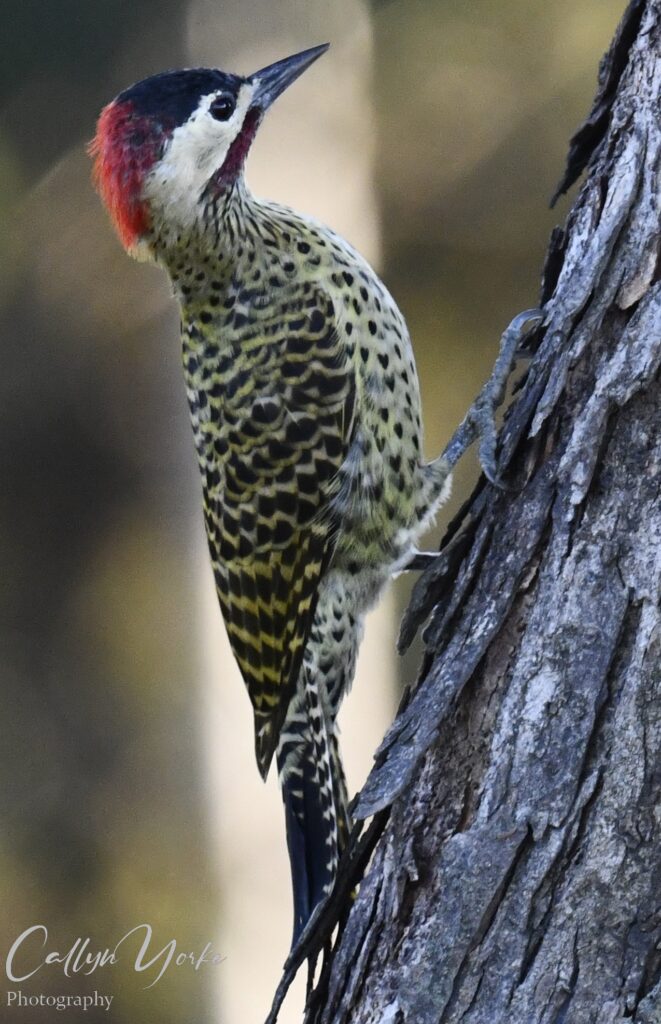
- Campo Flicker Colaptes campestris 3 on posts and isloated trees in fields, ubiq.
- White Woodpecker Melanerpes candidus 1 in flight over Auracaria trees in adjacent housing development, PRM.
CORACIIFORMES: Alcedinidae
- Ringed Kingfisher Megaceryle torquata 1 perched on post or isolated tree near water, ubiq..
FALCONIFORMES: Falconidae
- Southern (Crested) Caracara Caracara plancus 12 individuals and pairs perched on fence posts; low flights over open areas, ubiq..
- Yellow-headed Caracara Milvago chimachima 4 greg. pairs in low flight over fields, ubiq..
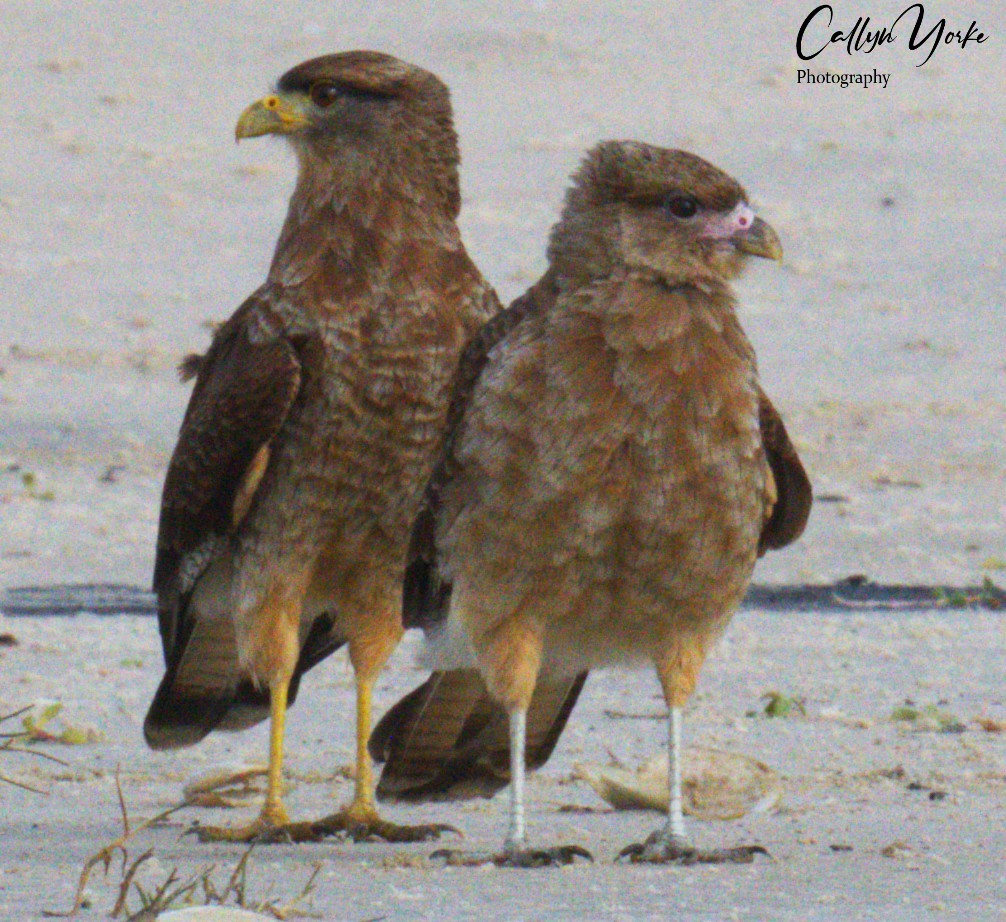
- Chimanga Caracara Phalcoboenus chimango 5 greg. pairs in pasture and on sandhill near shore; farm pond, LPW; MS; SF (photo).
- American Kestrel Falco sparverius 1 (f) perched low, sallying to ground in flooded pasture, LPW.
- Aplomado Falcon Falco femoralis 1 (RB) perched and in low flight over pasture, LPW.
PSITTACIFORMES: Psittacidae
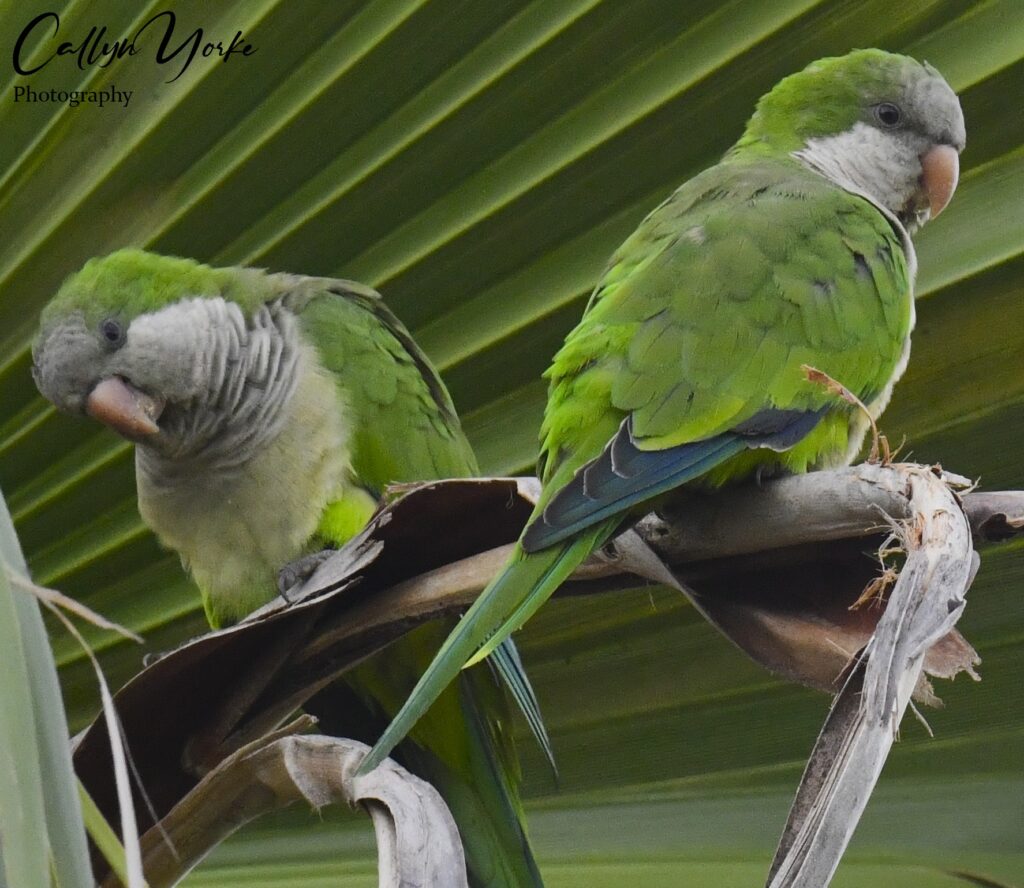
- Monk Parakeet Myiopsitta monachus 28 greg. vocal, a large flock on overgrown lawn and in palms, PM (photo); ubiq.
- Yellow-chevroned Parakeet Brotogeris chiriri 10 vocal, greg. usually seen only in flight, ubiq..
- Vinaceous breasted Parrot Amazona vinacea 8 greg. pairs within a flock allopreening in subcanopy of large, Auracaria trees, PRM (photo).
- Maroon-bellied Parakeet Pyrrhura frontalis 8 highly voc. greg. often seen in flight; flocks in broad-leaved and coniferous trees, ubiq.
- White-eyed Parakeet Psittacara leucophthalmus 2 (AP) voc. in flight, PM.
PASSERIFORMES: Tachurididae
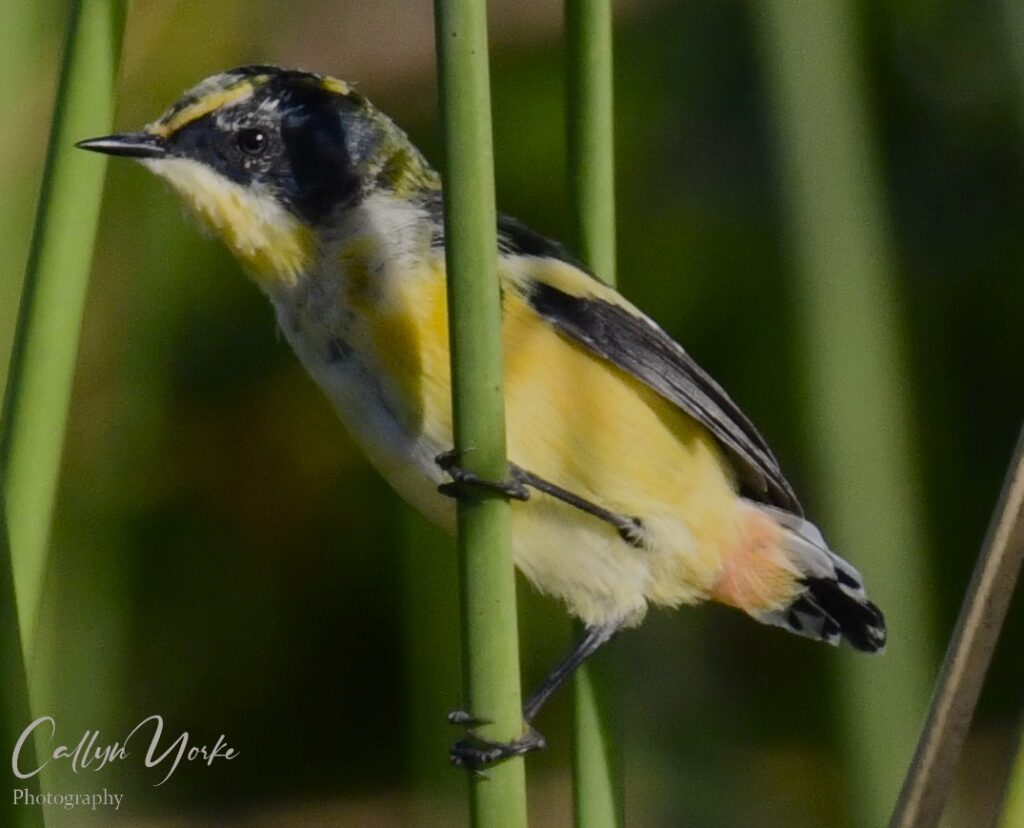
- Many-colored Rush Tyrant Tachuris rubigastra 3 (ad., imm.) (bsc. plmg) lakeside bullrush; pos. response to playback recordings of its vocalizations, LP (photo).
PASSERIFORMES: Pipromorphidae
- Mottled-cheeked Tyrannulet Phylloscartes ventralis 1 active in forest subcanopy, PRM.
- Ochre-faced Tody-Flycatcher Poecilotriccus plumbeiceps 1 in roadside shrubs in wetland, OS.
PASSERIFORMES: Tyrannidae
- Cliff Flycatcher Hirundinea ferruginea 4 around a farm pond, and hillside homestead, SF.
- Yellow-bellied Elaenia Elaenia flavogaster 1 in trees at edges of marsh, wetlands, PM; PRM; LPW.
- Small-billed Elaenia Elaenia parvirostris 2 in trees at edge of marsh, PM.
- White-crested Tyrannulet Serpophaga subcristata 1 in shrubs and subcanopies of broadleaved trees, PM; PRM.
- Yellow-browed Tyrant Satrapa icterophrys 1 staying partly concealed in roadside shrubs, LPE.
- Great Kiskadee Pitangus sulphuratus 5 individuals and pairs on utility wires an limbs of trees at edges of fields and open areas, ubiq..
- Social Flycatcher Myiozetetes similis 2 greg. in neighboring gardens, PRM.
- Cattle Tyrant Machetornis rixosa 5 in and around a flooded pasture; one bareback equestrian, LPE (photo); PM.
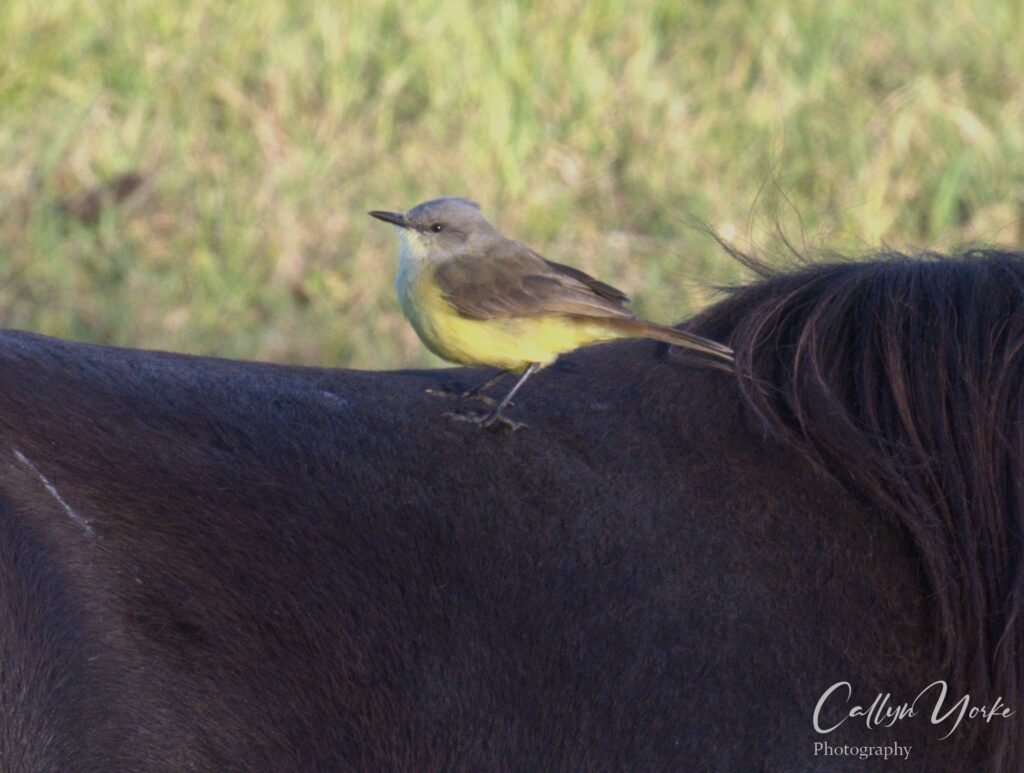
- Tropical Kingbird Tyrannus melancholicus 3 on roadside utility wires and in trees at edges of fields, ubiq..
- Swainson’s Flycatcher Myiarchus swainsoni 2 in trees at edge of marsh, PM; PRM.
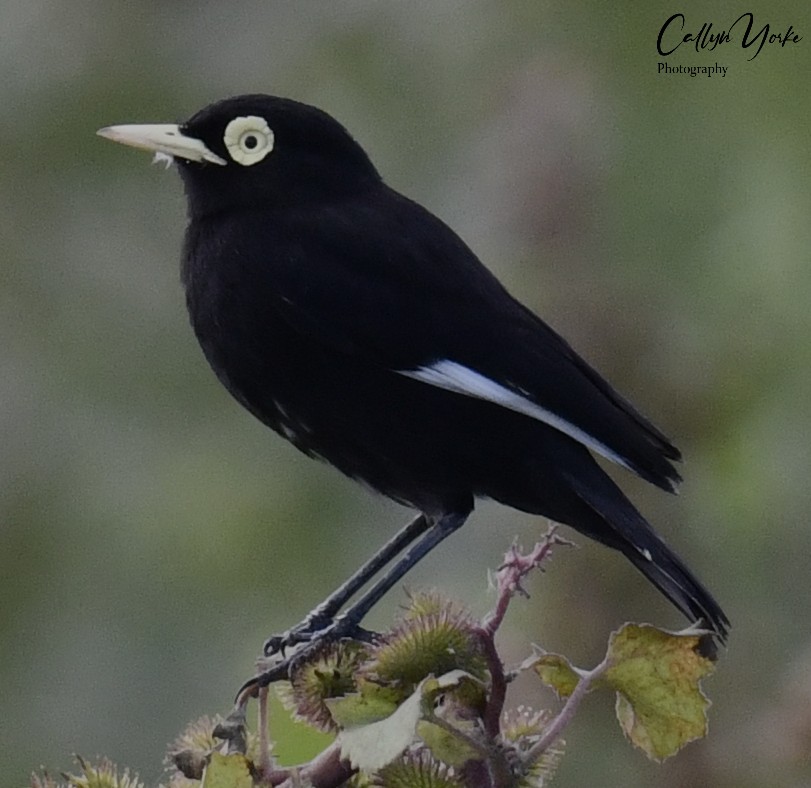
- Spectacled Tyrant Hymenops perspicillatus 2 (m,f) low perches at edge of bullrush marsh, LP.
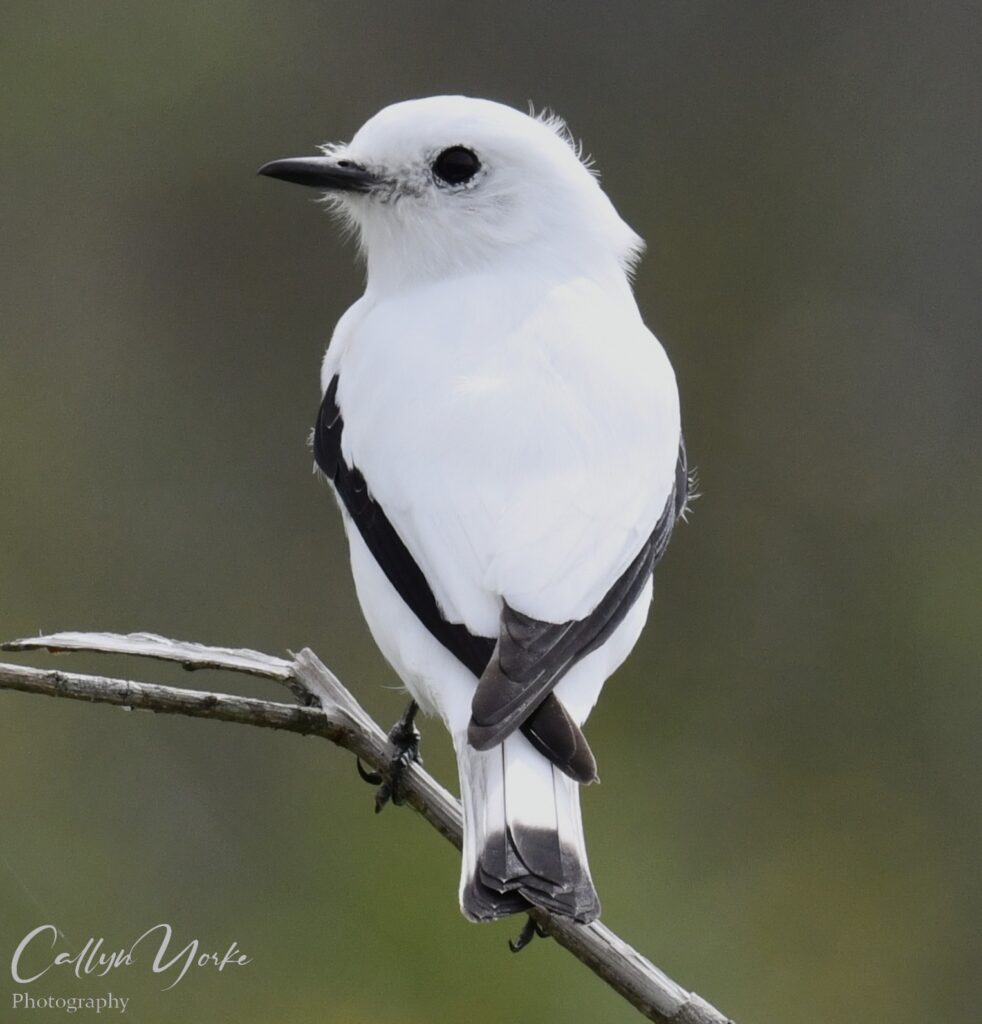
- White Monjita Xolmis irupero 6 individuals perched on fence posts and isolated tree limbs in pasture and flooded fields, LPW; LPE (photo).
PASSERIFORMES: Thamnophilidae
- Variable Antshrike Thamnophilus caerulescens 1 voc. (AP) PM.
- Giant Antshrike Batara cinerea 1 (f) in shrubs and vines at edge of neighboring chalets, PM.
- White-shouldered Fire-eye Pyriglena leucoptera 1 roadside shrubs and trees bordering a wetland, LPW.
PASSERIFORMES: Dendrocolaptidae
- Olivaceous Woodcreeper Sittasomus griseicapillus 1 voc. forest edge, PRM.
- Planalto Woodcreeper Dendrocolaptes platyrostris 1 forest edge trees near backyard feeder, PRM.
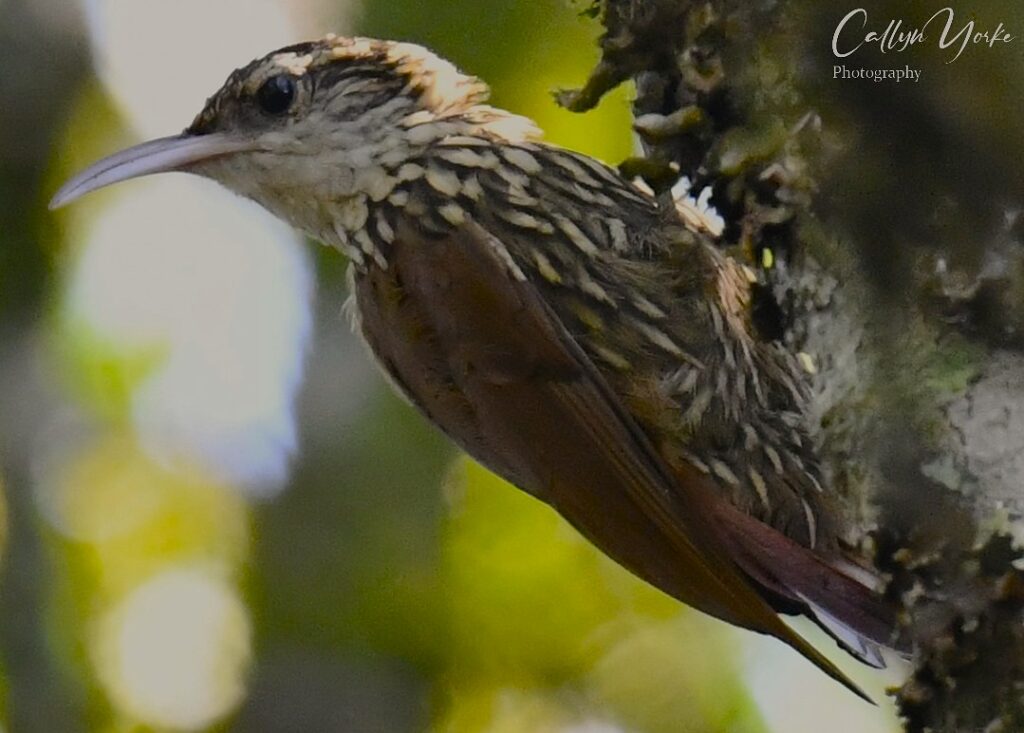
- Scalloped Woodcreeper Lepidocolaptes falcinellus 1 forest edge trees near backyard feeder, PRM (photo).
PASSERIFORMES: Furnariidae
- Rufous Hornero Furnarius rufus 20 loosely greg. pairs on ground, lawns, roadside, ubiq..
- Wren-like Rushbird Phleocryptes melanops 1 in lakeside bullrush, LP.
- Sharp-billed Treehunter Heliobletus contaminatus 1 in subcanopy at forest edge, PRM.
- Yellow-chinned Spinetail Certhiaxis cinnamomeus 5 pairs secretive but active low in shrubs at edge of marsh, PM.
- Auracaria Tit Spinetail Leptasthenura setaria 1 active in canopy of Auracarias, in a neighboring housing tract development, PRM.
- Straight-billed Reed-haunter Limnornis rectirostris 1 shy and weakly responsive to playback of its vocalizations; remaining mostly concealed in tall grass, roadside pasture-marsh, north of Mostardas.
- Firewood-gatherer Anumbius annumbi 2 a pair on a roadside utility pole, LP (photo).
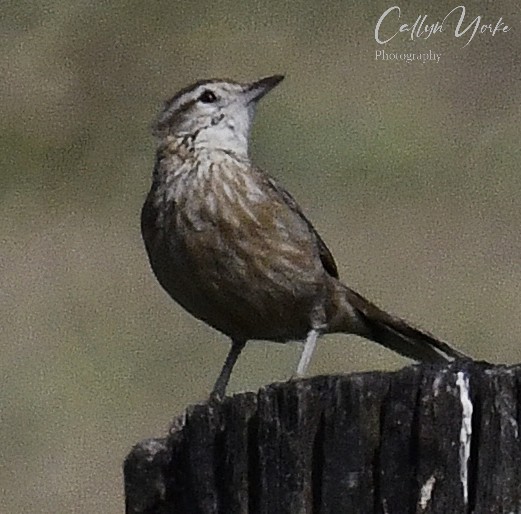
- Hudson’s Canastero Asthenes hudsoni 1 secretive and difficult to see in marshy grass at edge of drainage ditch, LPE.
- Spix’s Spinetail Synallaxus spixi 1 (AP) voc. PM.
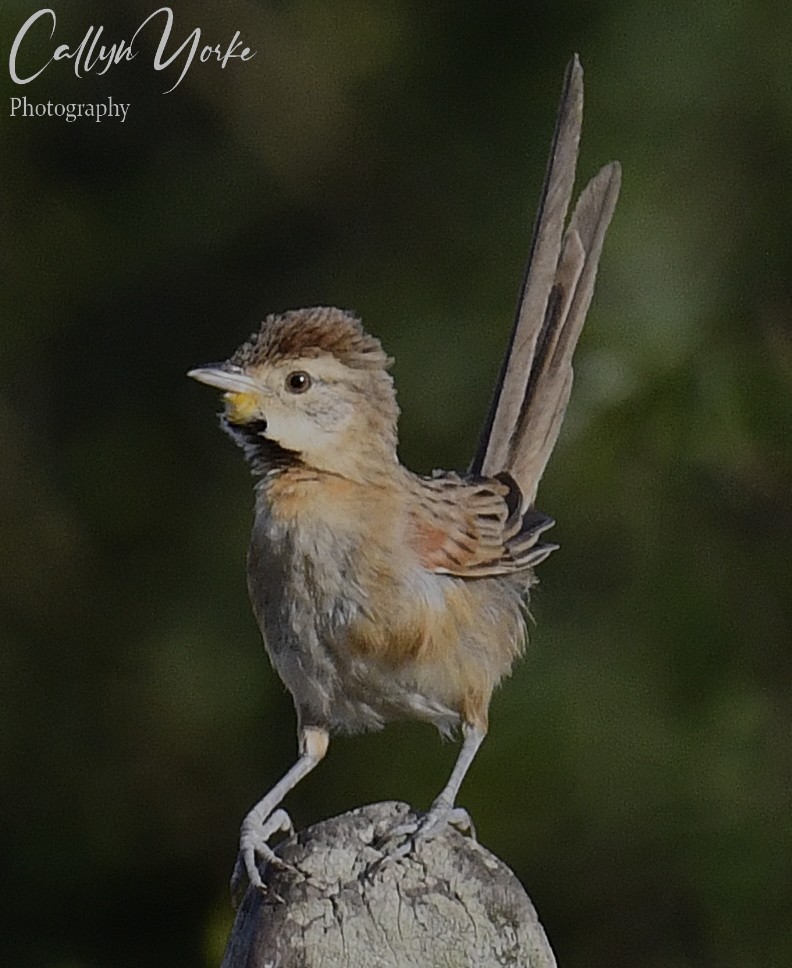
- Chotoy Spinetail Schoeniophylax phryganophilus 1 active in roadside shrubs, in a ditch next to flooded field, LPW (photo).
PASSERIFORMES: Corvidae
- Azure Jay Cyanocorax caeruleus 2 active in subcanopy of forest near backyard feeding station; one bird with an acorn in its beak, PRM.
PASSERIFORMES: Estrildidae
- Common Waxbill Estrilda astrild 4 (m,f) greg. on ground and in roadside shrubs, ubiq..
PASSERIFORMES: Passeridae
- House Sparrow Passer domesticus 10 (m,f) greg. on ground and buildings, in towns, ubiq..
PASSERIFORMES: Motacillidae
- Yellowish Pipit Anthus lutescens 2 on ground and in flight, lakeside flooded field, LP.
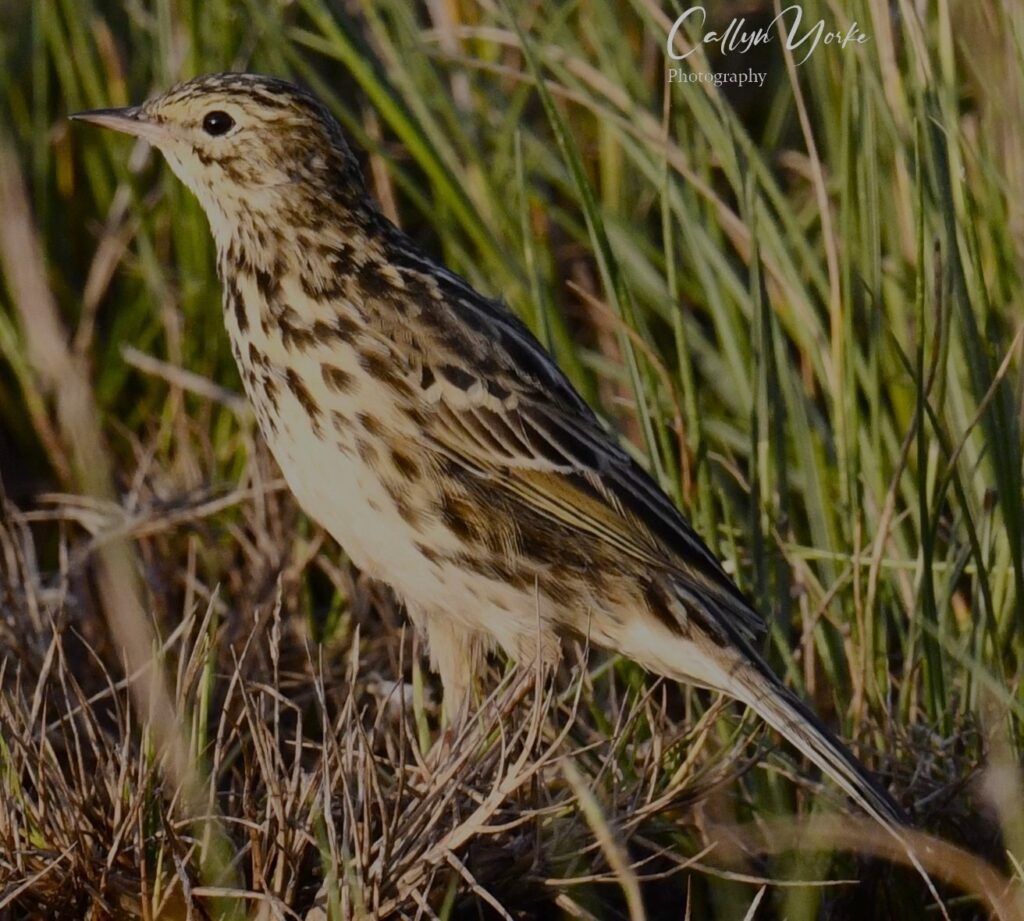
- Correndera Pipit Anthus correndera 1 latent pos. response to playback recordings of its vocalizations; flooded roadside ditch, LPE (photo).
PASSERIFORMES: Fringillidae
- Purple-throated Euphonia Euphonia chlorotica 2 (m,f) in the canopy of mature broadleaved trees, BG.
- Hooded Siskin Spinus magellanicus 8 greg. foraging on flowering roadside shrubs, LP.
PASSERIFORMES: Passerellidae
- Rufous-collared Sparrow Zonotrichia capensis 3 greg. on ground, parks, gardens and rural fields, ubiq..
PASSERIFORMES: Parulidae
- Masked Yellowthroat Geothlpis aequinoctialis 1 low-mid level in shrubs and trees at edge of wetland, LPW (photo).
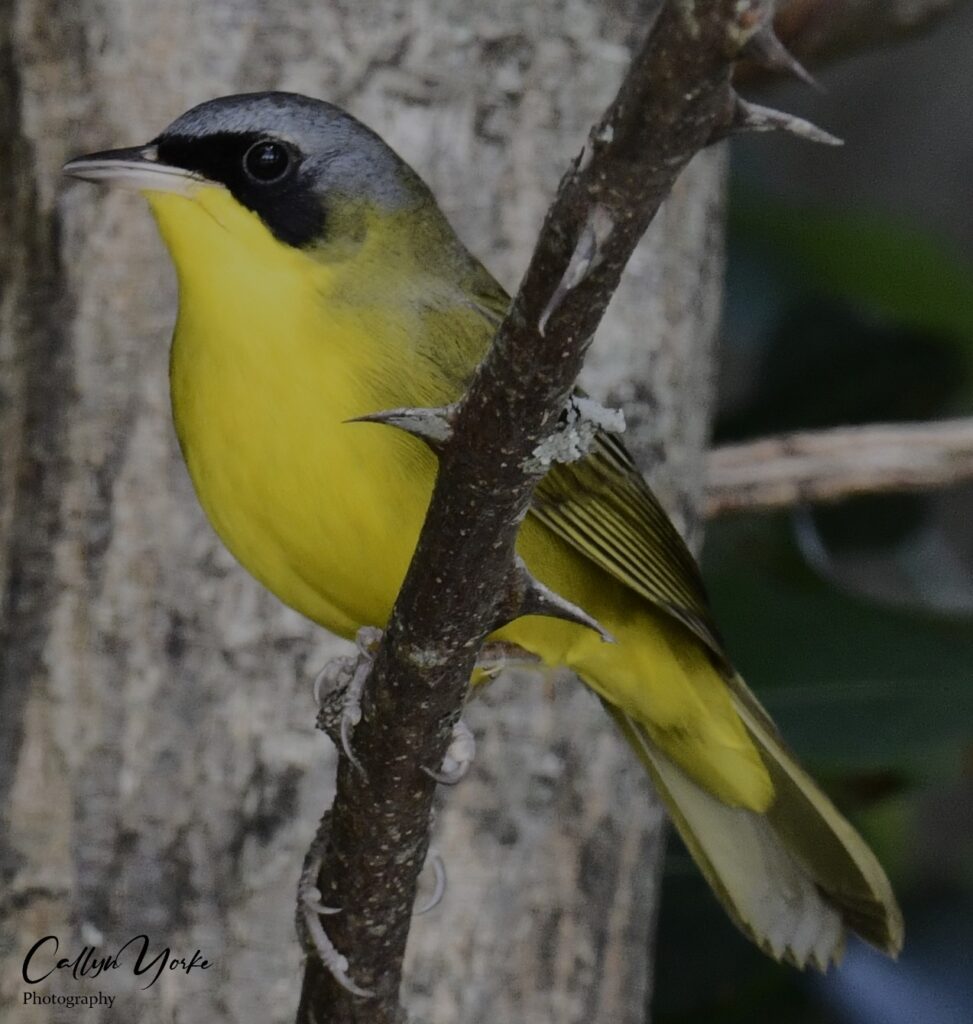
- Tropical Parula Setophaga pitiayumi 1 active in canopy pf broadleaved trees, PM.
- White-browed Warbler Myiothlpis leucoblephara 2 active in canopy at forest edge, PRM.
- Golden-crowned Warbler Basileuterus culicivorus 2 active at variable heights in shrubs and trees, gardens and forest edge, ubiq..
PASSERIFORMES: Icteridae
- White-browed Meadowlark Leistes superciliaris 10 (m,f) males singing from exposed perches on shrubs in wetland, LP (photo).
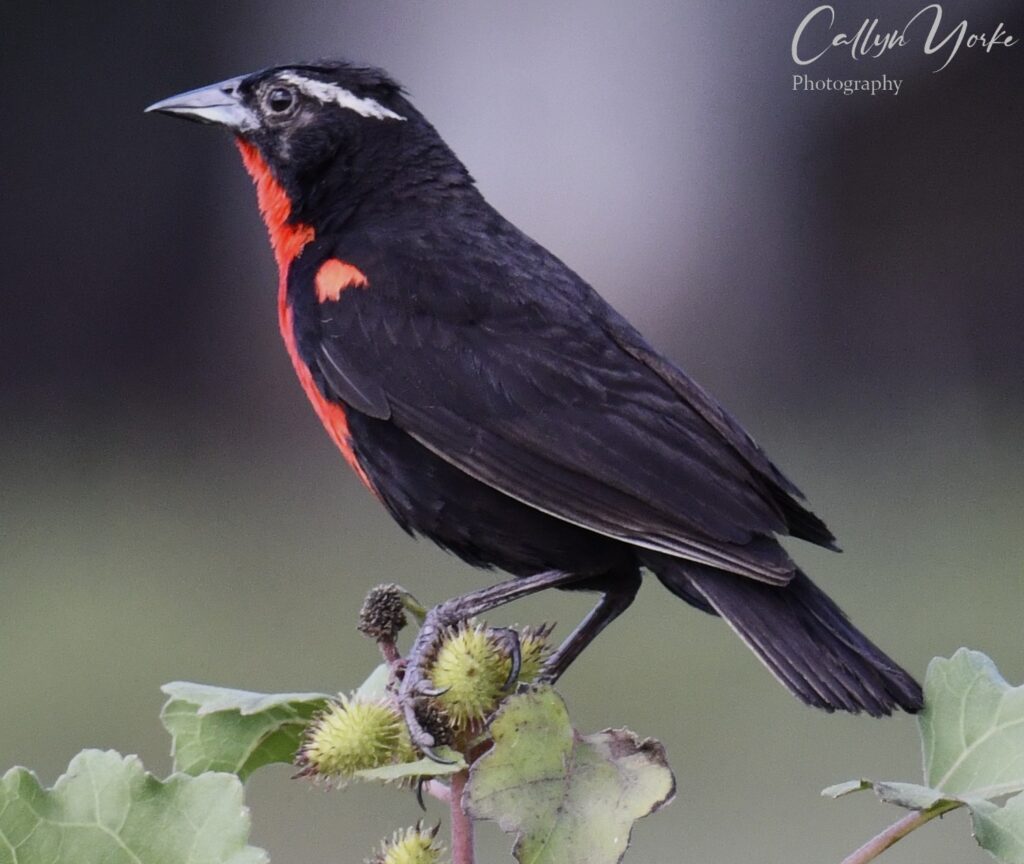
- Shiny Cowbird Molothrus bonariensis 400 (m,f) greg. very large flocks in roadside shrubs in wetlands, pastures, LPW; ubiq.
- Grayish Baywing Agelaiodes badius 30 (m,f) greg. occasionally in large flocks, ruderal roadsides, parks, pasture, PM; ubiq.(photo).
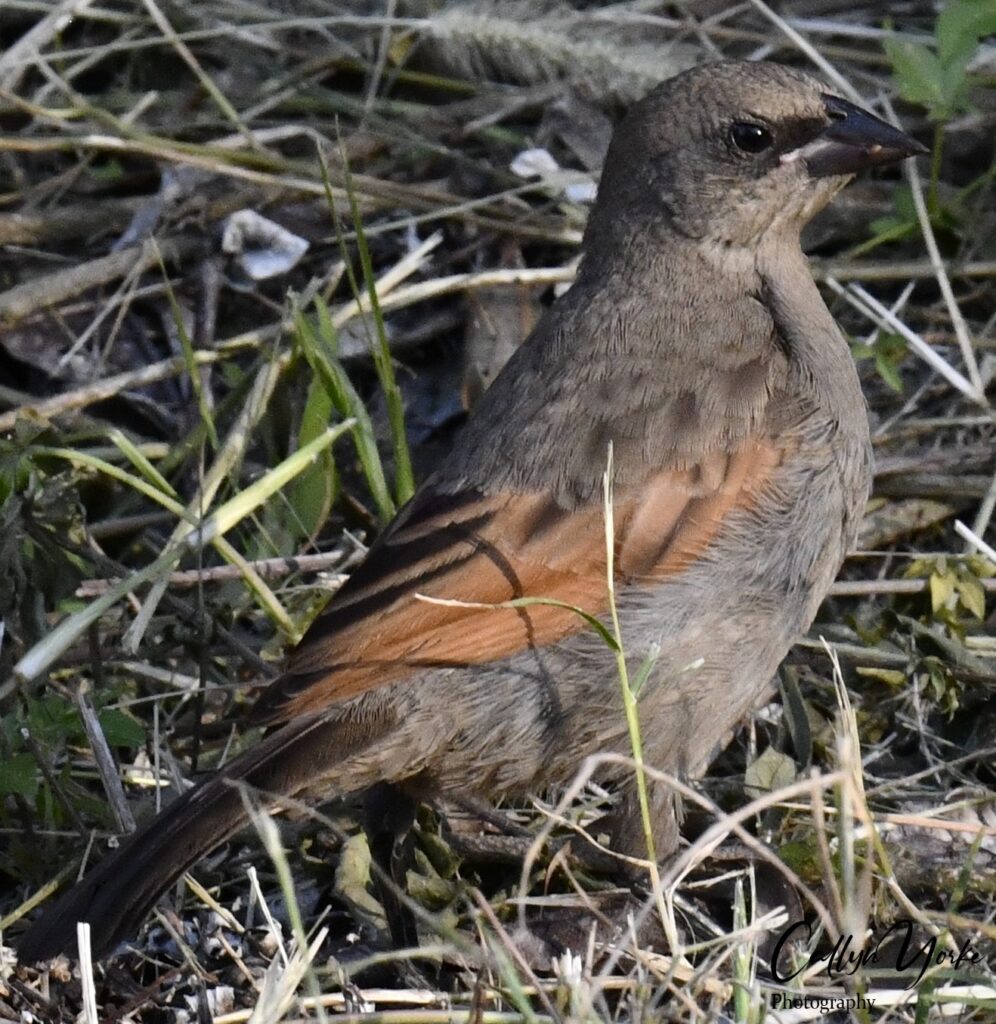
- Chestnut-capped Blackbird Chrysomus ruficapillus 2 greg. wet pasture, LPW.
- Brown and Yellow Marshbird Pseudoleistes 1 staying low in shrubs and tall grass, LP.
- Variable Oriole Icterus pyrrhopterus 2 (m,f) in broadleaved trees and tall shrubs, BG; PM; PRM – neighborhood.
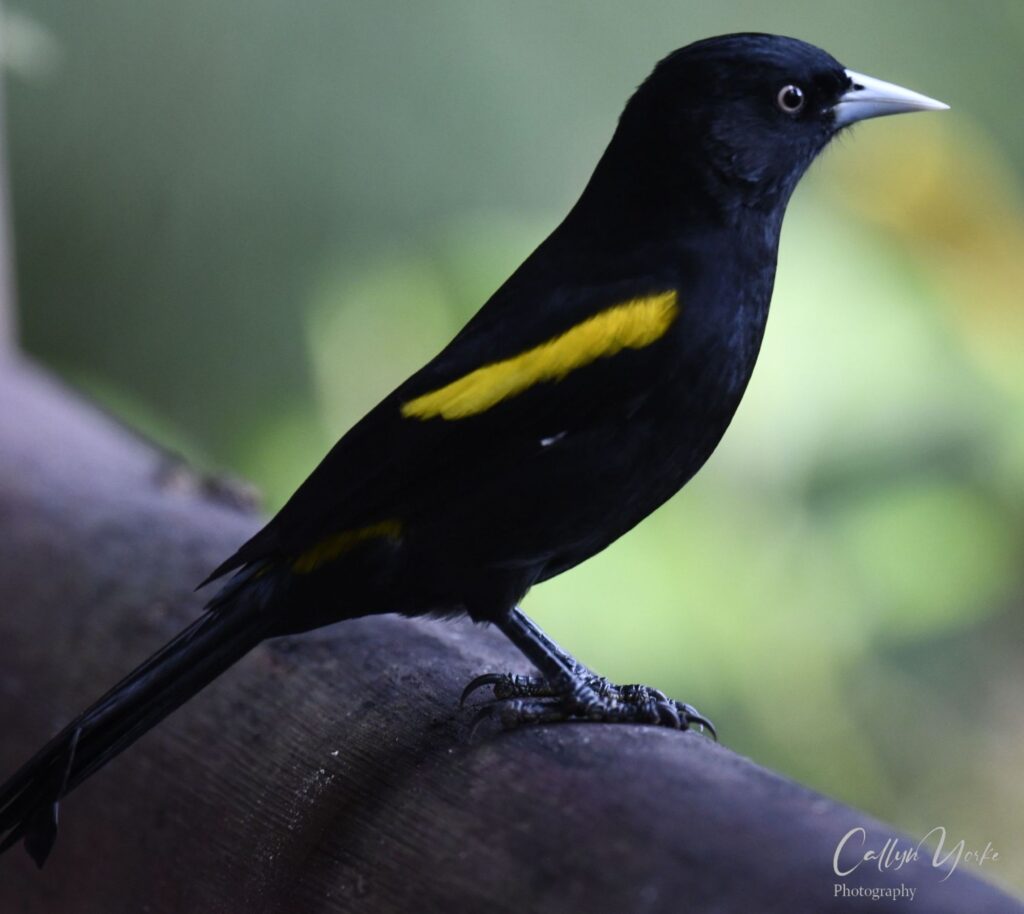
- Golden-winged Cacique Cacicus chrysopterus 2 in trees at edge of marsh, PM; 1 (m) a regular visitor at the fruit feeder, PRM (photo).
PASSERIFORMES: Thraupidae
- Saffron Finch Sicalis flaveola 10 (m,f., ad. imm.) highly greg. on ground and when flushed to shrubs and trees; ubiq.
- Blue-black Grassquit Volatinia jacarina 2 greg. in transit, roadside grassland, PM; SF.
- Blue Dacnis Dacnis cayana 2 (m,f) active in canopies of a variety of flowering trees, PRM; ubiq..
- Double-collared Seedeater Sporophila caerulescens 4 hillside grassland-pasture, SF.
- Bananaquit Coereba flaveola 4 active at variable heights in shrubs and trees; gardens, water dishes and forest edge ubiq..
- Sayaca Tanager Tangara sayaca 3 canopy of a variety of fruiting and flowering trees, ubiq..
- Azure-winged Tanager Tangara cyanoptera 2 forest edge and at backyard feeder, PRM.
- Chestnut-backed Tanager Tangara preciosa 2 (m,f) at backyard feeder, PRM.
- Blue-and-yellow Tanager Pipraeidae melanonota 1 (m) active in broadleaved trees at edge of marsh, PM; PRM.
- Red-crested Cardinal Paroaria coronata 8 (m,f) greg. pairs on ground and in trees at edge of marsh, LPW; PM.
- Pampa Finch Embernagra platensis 1 perched on shrubs in sand dunes, MS.
- Black and Rufous Warbling Finch Poospiza nigrorufa 1 (AP) PM.
- Gray-throated Warbling Finch Microspingus cabanisi 4 (m,f; imm.) greg. at backyard feeding station, PRM.
PASSERIFORMES: Hirundinidae
- Brown-breasted Martin Progne tapera 10 greg. perched on fence posts and low flights over pasture and flooded fields, LPW; LPE.
- Southern Rough-winged Swallow Stelgidopteryx ruficollis 5 flying low over wet pasture and farmland; open areas, ubiq..
- Blue and White Swallow Pygochelidon cyanoleuca 30 greg. large flocks perched on utility wires; wetlands, pasture, suburbs, ubiq..
- White-rumped Swallow 20 Tachycineta albiventer loosely greg. a large, roadside flock in low flight over wetlands and pasture, north of Mostardas; LPW.
PASSERIFORMES: Troglodytidae
- Southern House Wren Troglodytes musculus 2 active but rather secretive in shrubs; ascending into subcanopy of trees, ubiq..
PASSERIFORMES: Polioptilidae
- Tropical Gnatcatcher Polioptila plumbea 2 in gardens, roadside shrubs and trees, ubiq.
- Masked Gnatcatcher Polioptila dumicola 1 in roadside shrubs next to a wetland, north of Mostardas.
PASSERIFORMES: Mimidae
- Chalk-browed Mockingbird Mimus saturninus 4 pasture and flooded fields; gardens, ubiq.
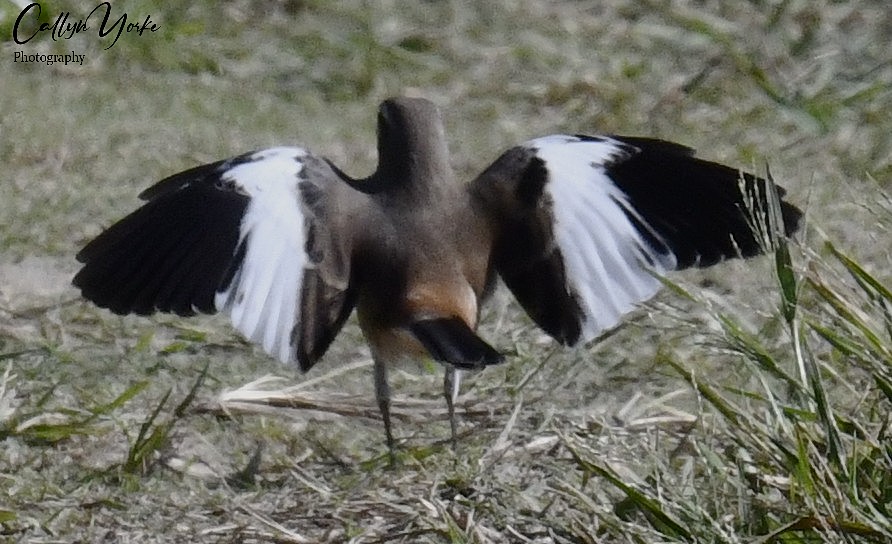
- White-banded Mockingbird Mimus triurus 2 on fence line; one bird showing the generic wing-flushing behavior, while foraging, LP (photo).
PASSERIFORMES: Turdidae
- Pale-breasted Thrush Turdus leucomelas 4 parks, gardens; often on ground with nearby RBTH, ubiq.
- Rufous-bellied Thrush Turdus rufiventris 5 usually on lawns, in gardens and on bare ground beneath trees, ubiq.
- Creamy-bellied Thrush Turdus amaurochalinus 4 on ground, PM; BG.
___________________________________________
REPORT LINKS
__________________________________________