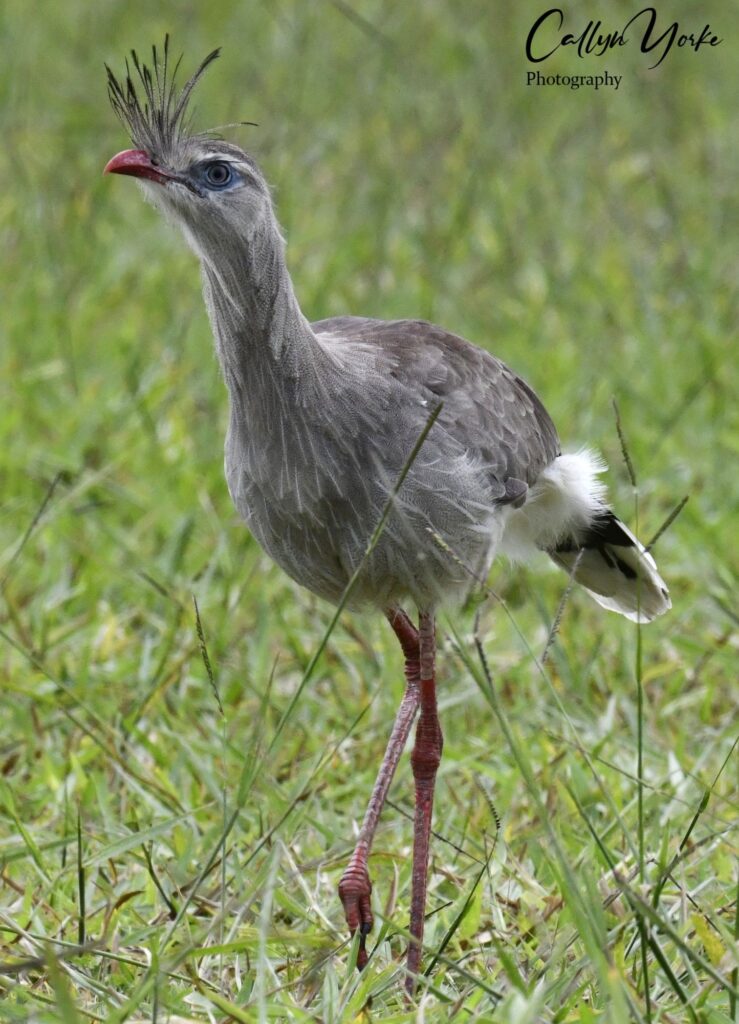
Mato Grosso – Jamacá das Araras Lodge, Chapada dos Guimarães – Brazil February 21 – March 3, 2025 Callyn Yorke
Jeanne Martin Nascimento and Mario Friedlander were my gracious hosts for the duration of my visit in the state of Mato Grosso. Jeanne picked me up at the Cuiabá airport on the afternoon of February 21, 2025. Her Mitsubishi 4WD truck was already loaded with groceries and supplies. I would be their only long-term guest at the Jamacá das Araras Lodge. It was a three-hour drive on a new, multilane highway out of the capital city of Cuiabá, then onto a bumpy, backcountry road leading to the lodge near Chapada dos Guimarães. We would be arriving sometime after dark.
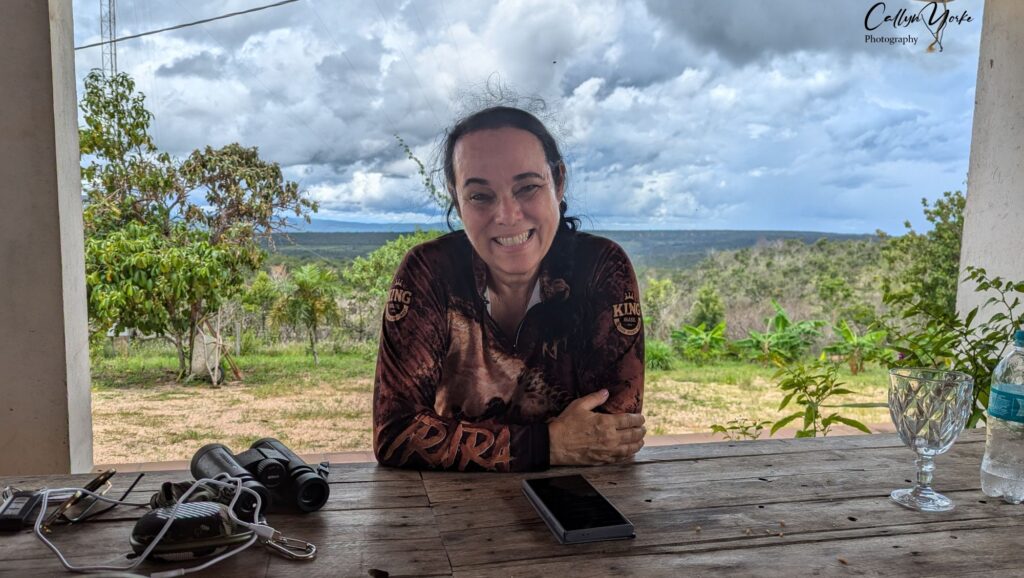
Our initial exchange of pleasantries in English quickly turned to silence. Jeanne humbly admitted to being a little out of practice with her English. I nodded and reassured her that whatever her foreign language proficiency was, it would probably surpass my fluency in Portuguese. I asked if she knew any Spanish and she smiled, rattling off a cheerful affirmative answer, “Espanola: Si puedo hablar”. That came as some relief and we began conversing in Español, which was somewhat of a refresher course for me.
Jeanne patiently outlined her personal history with Mario, along with the local Mato Grosso culture, history and geography. She was speaking Spanish like a native – rapido, clear, concise – and with so much detail that I was a bit overwhelmed. I listened carefully for recognizable words and managed to cobble together a few marginally meaningful responses. She appeared equally amused and concerned. There would be many more hours spent birding together and certainly with plenty of questions coming from me. For now, I was happily distracted by a vast expanse of what appeared to be a ruggedly sculpted tableland, suggesting a heavily forested Utah or northern Arizona, all fading fast under a cloudy pink and orange sky.
Jeanne and Mario have resided in Mata Grosso for most of their lives know the area well. Mario, a self-educated naturalist, has published stunning indigenous tribe portraits and aerial landscape photographs of the Mato Grosso. Jeanne, a proficient bird guide, is also an accomplished photographer, focusing on the birds and wildlife of Brazil. The time I spent with them in the field and at the lodge would pass all to quickly. Mato Grosso had much to offer and I was encouraged by Mario and Jeanne to plan a return visit.
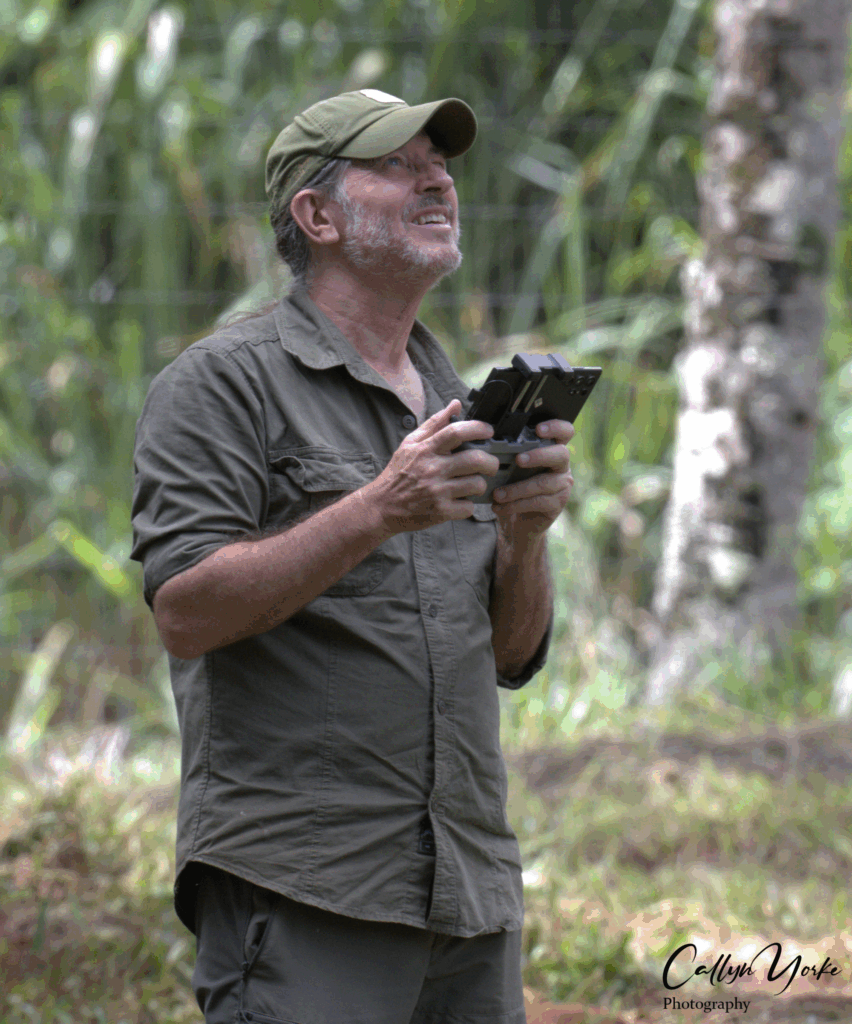
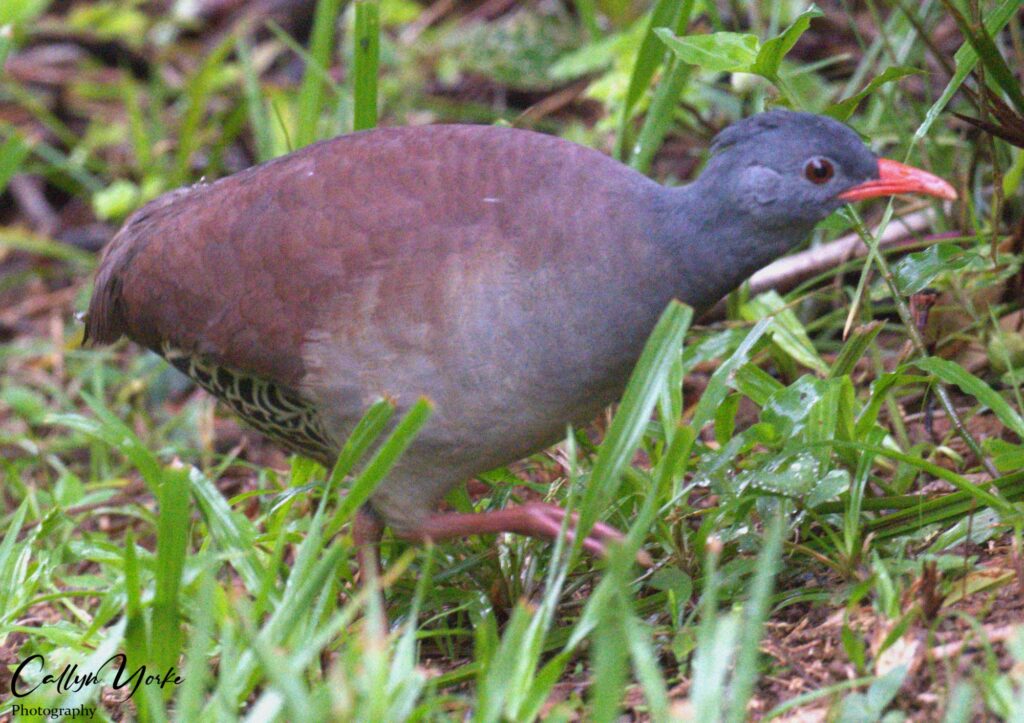
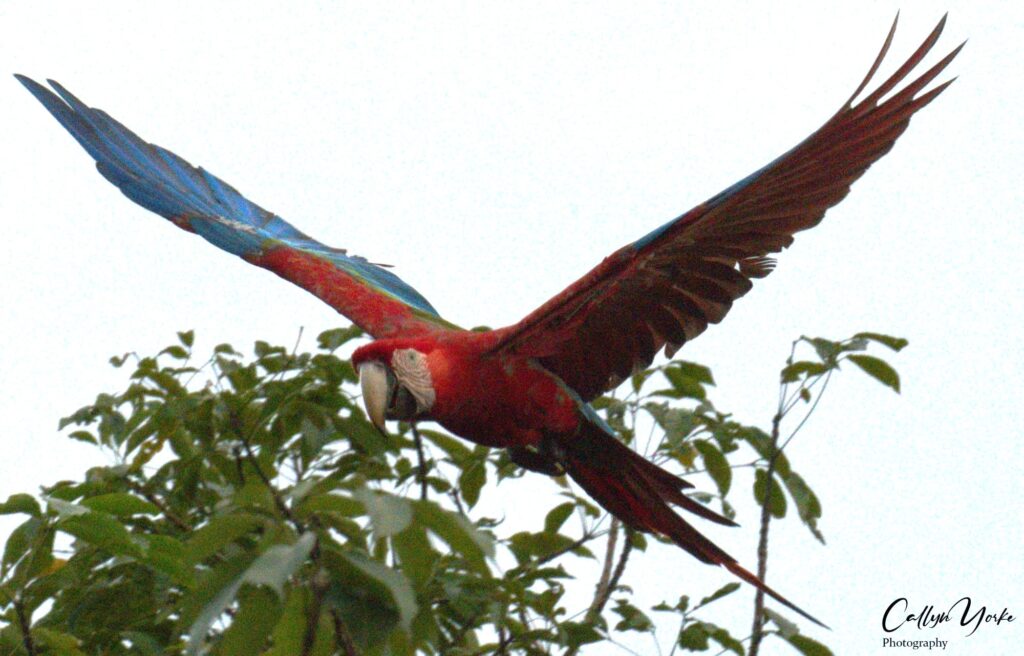
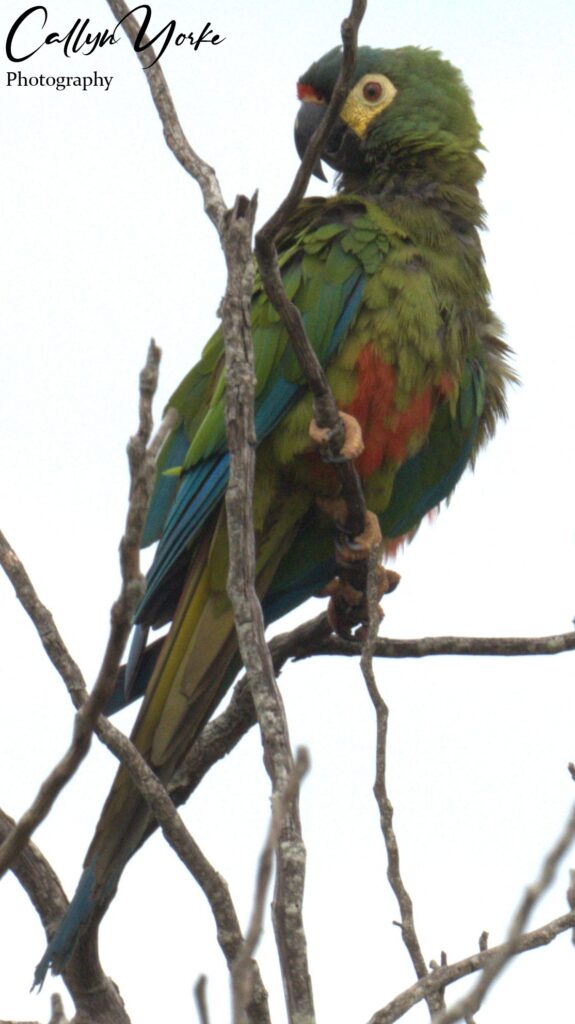
A number of local birding trips had been scheduled; two with Jeanne in the Mato Grosso farmland (MGF), one in the Cerrado (CER) and Chapada dos Guimarães National Park with Noam, their neighbor. Between those outings, I would be mostly on my own to wander around the resort and adjacent land to find whatever birds and other wildlife might be present. That was fine with me, since their property was nestled within a tall secondary rainforest that could be conveniently surveyed from an easement road and side trails. Casually walking around the resort turned up several lifers, including Tataupa Tinamou, Blue-crowned Trogon, Amazonian Motmot, Red & Green Macaw, and Planalto Slaty-antshrike.
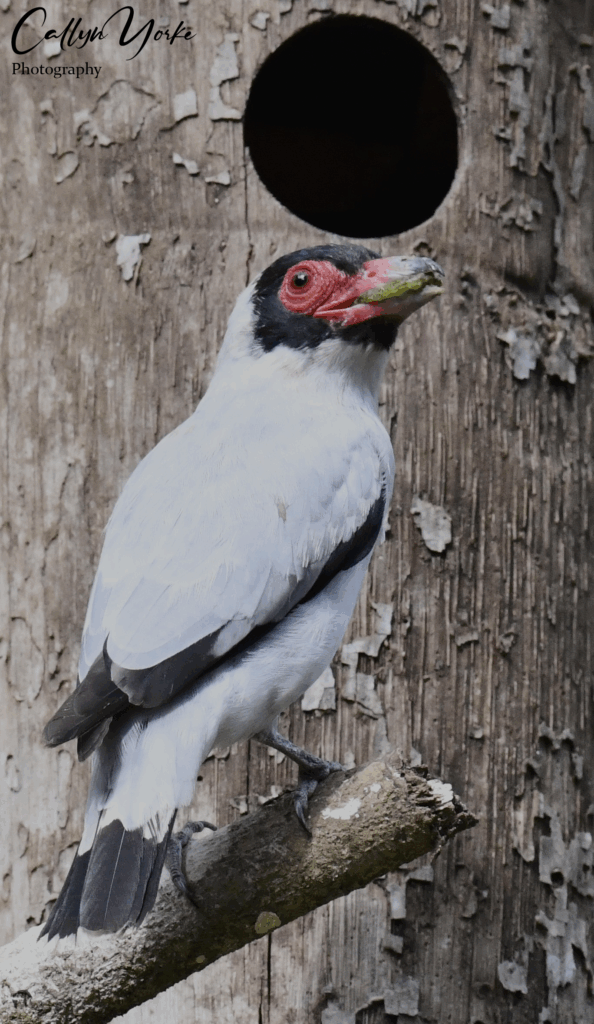
Mario, the original owner and caretaker of Jamacá das Araras Lodge, enjoyed showing me his horticulture/conservation projects, including native fruit trees he planted decades ago that were now attracting a variety of birds. One of the larger trees had a nest box attached near the base being used by a family of Masked Tityra.
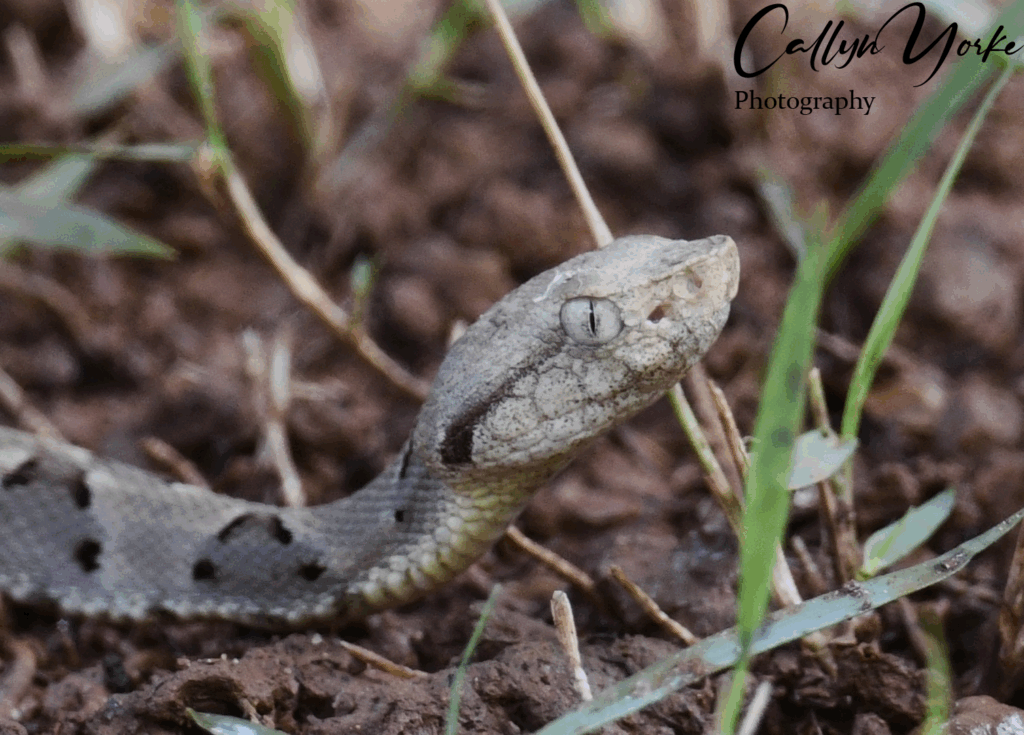
Like a magician, Mario was endlessly entertaining, coming up with all sorts of surprises in the yard. Capuchin monkeys, Tapir and agouti were regular visitors to the feeding stations, which were equipped with nighttime video cameras. Mario pointed out a writhing mass of black caterpillars gliding across a shady path. Apparently, they moved that way for protection – safety in numbers. One morning Mario caught a young lancehead viper in the garden and brought it to me in a plastic bucket. That one, a close relative of the Fer de Lance (Bothrops asper), was on my ‘most wanted Brazil herp’ list. Following a lively photo session, Mario relocated the snake to the adjacent forest. Incidentally, he remarked, this was the same kind of snake that had bitten Mario’s young, barefooted son, who spent five days recovering in the hospital. Suffice to say, in addition to wearing a pair of military-grade rubber boots, I usually kept an eye on the ground when walking around the resort.
I was assigned a spacious room in a newly constructed duplex, adjacent to an observation deck overlooking an impressive expanse of mature rainforest (photos). The sounds of the forest surrounded the building and I had merely to open a window or door to be immersed in a wilderness experience.
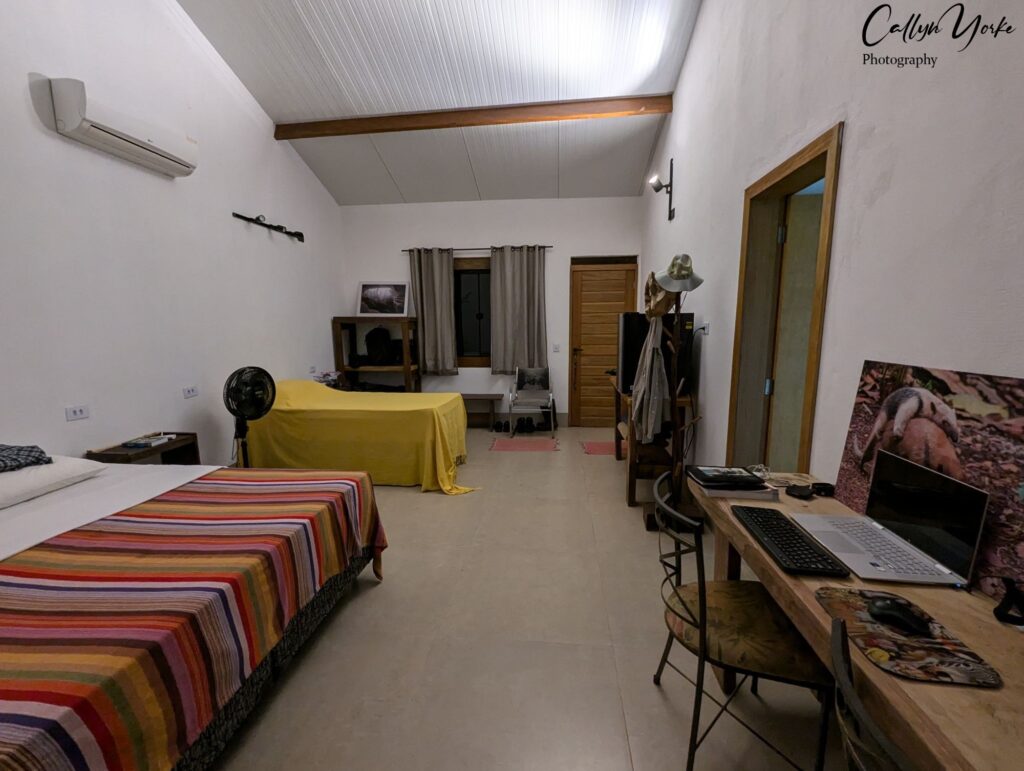
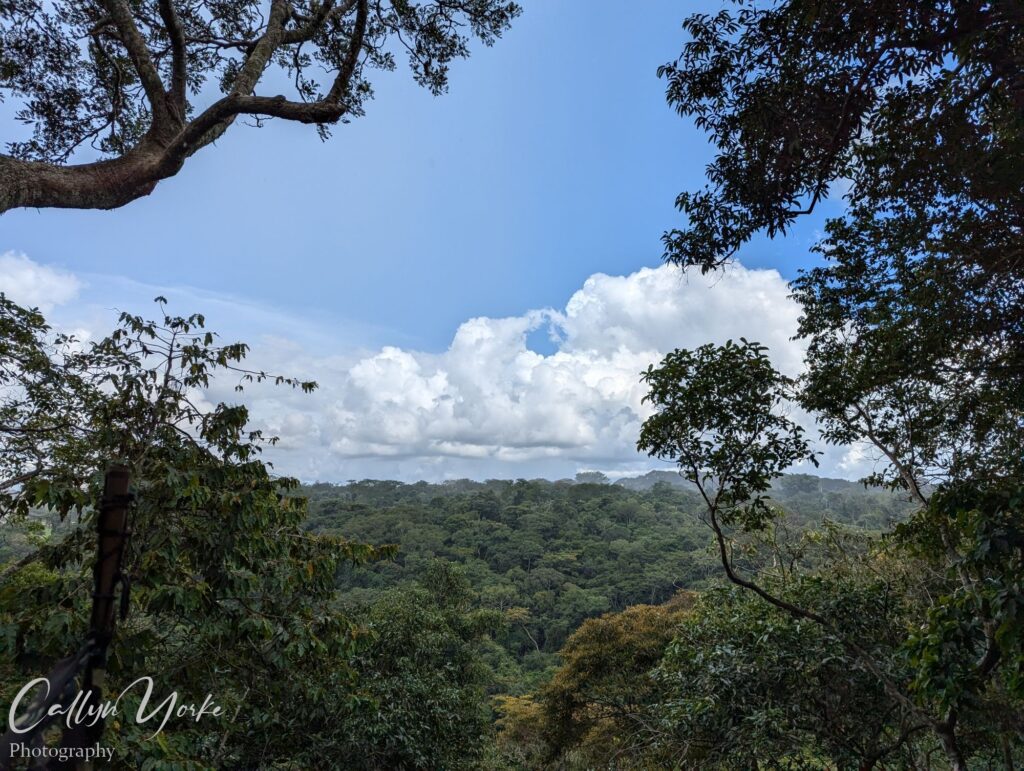
Each morning, Channel-billed Toucans chirped in the canopy; Red-and-Green Macaws shrieked with recognizable, screechy calls – both in flight and when clamoring about in their favorite fruiting trees. A variety of small songbirds serenaded, beginning at dawn. It took me a few days to sort out their specific vocalizations. Among them, a nesting pair of Thrush-like Wren (Campylorhynchus turdinus), commanding attention with a loud, musical jumble of churring notes, issued while hopping around in the subcanopy of broad-leaved trees. I failed to obtain a presentable photo of those birds at JA, which seemed adept at keeping just enough foliage between them and my camera. This bird is a close relative of the Cactus Wren (Campylorhynchus brunneicapillus) of the Southwestern USA, which also has a distinctively loud song – occasionally heard in Hollywood film soundtracks, though comically, seldom associated with the correct habitat.
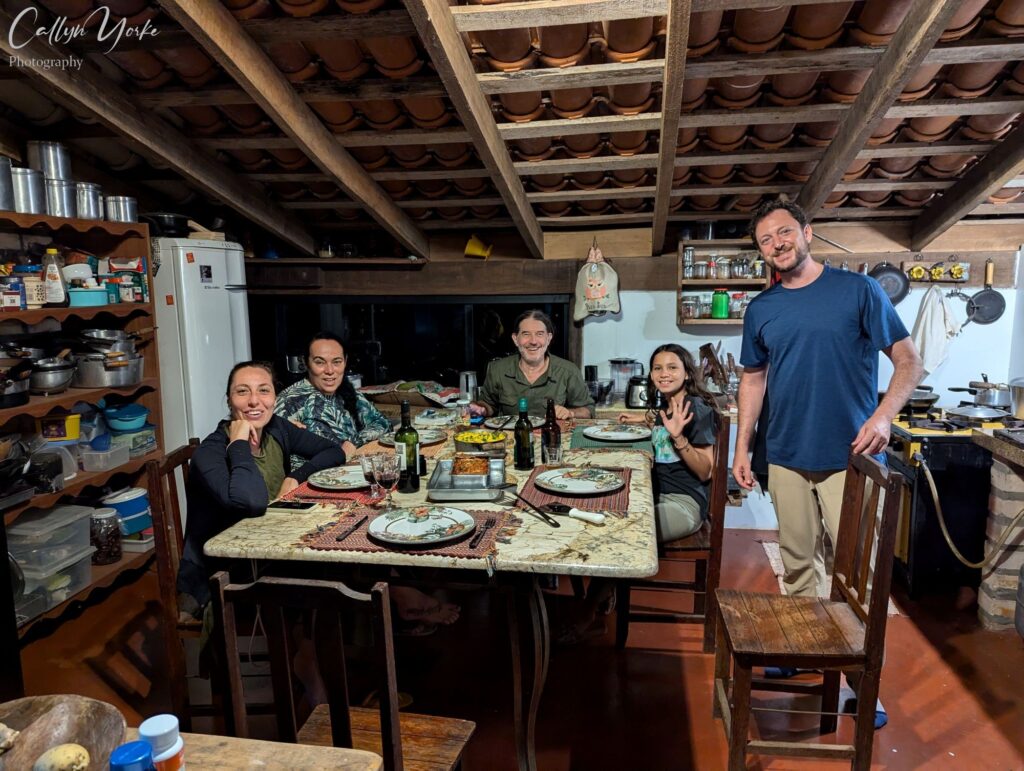
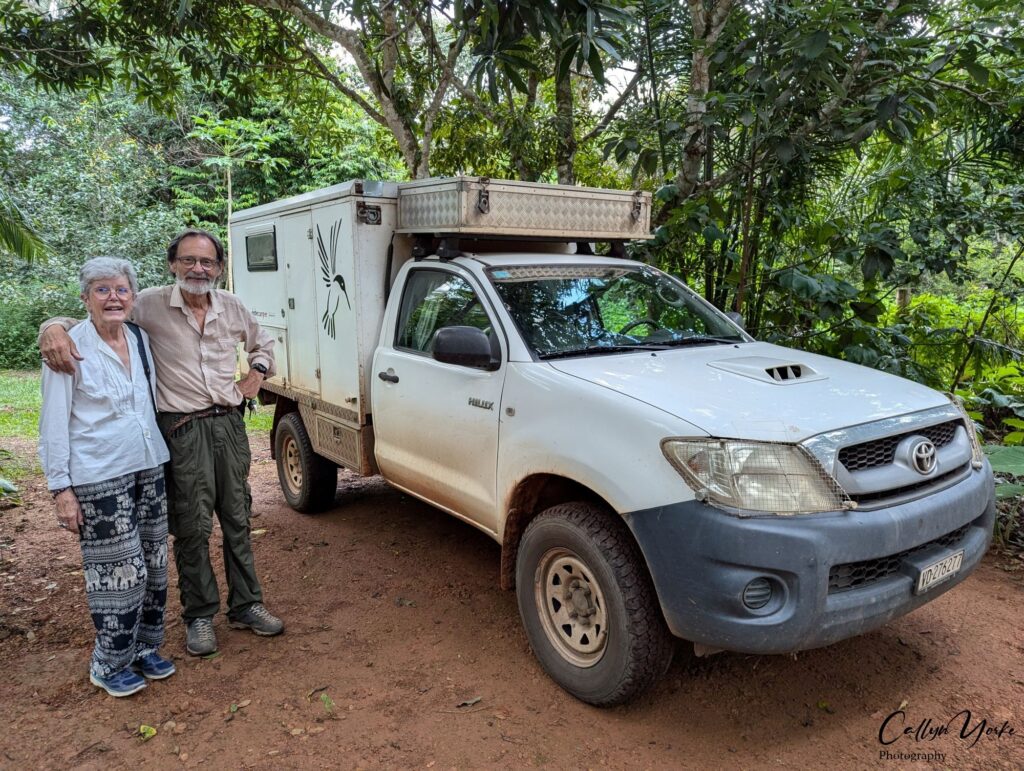
Occasionally, other travelers would drop in at the lodge for a day or so, then continue their journey in the Mato Grosso. A birder couple in their 70’s, who had been driving a small camper around the world since 1996 (a customized Toyota pickup was their fifth vehicle – photo), shared some fascinating stories. It seemed they had been everywhere. I asked if they had visited Vietnam. Of course they had, though their opinion of that country was somewhat mixed. Claude, a Frenchman and Marie, Swiss, currently celebrating 50+ years of marriage, said they loved the Vietnamese food but found the people in the north of Vietnam rather distant and unfriendly. Interesting. Apparently, the political atmosphere in Vietnam has changed significantly since Claude and Marie were there, more than twenty years earlier. Aside from their provocative remarks about Vietnam, I think all of us who met them at the resort found the couple quite charming and refreshingly young at heart.
Local Field Trips
Mato Grosso farmland (MGF) with Jeanne and a couple from South Africa (22 February, 2025); Jeanne and I (28 February, 2025).
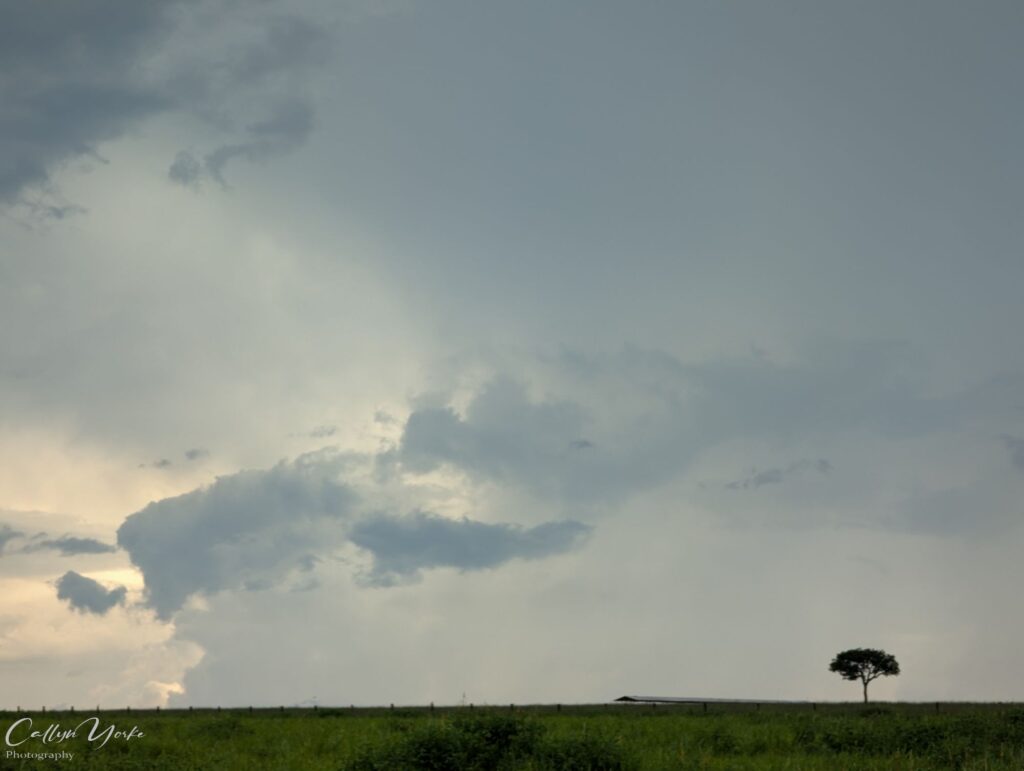
Both of these outings in MGF, the first in the late afternoon with intermittent rain, the second in the morning with a bit less precipitation, produced an astonishing variety of birds. Gently rolling hills of soyabean sprouts and fallow cotton fields, were separated by fenced roadways, drainage ditches, ponds and a mosaic of woodland-scrub patches (much of it regenerating from a major fire). Extremely limited, patchy cover concentrated an abundance of birds and wildlife.
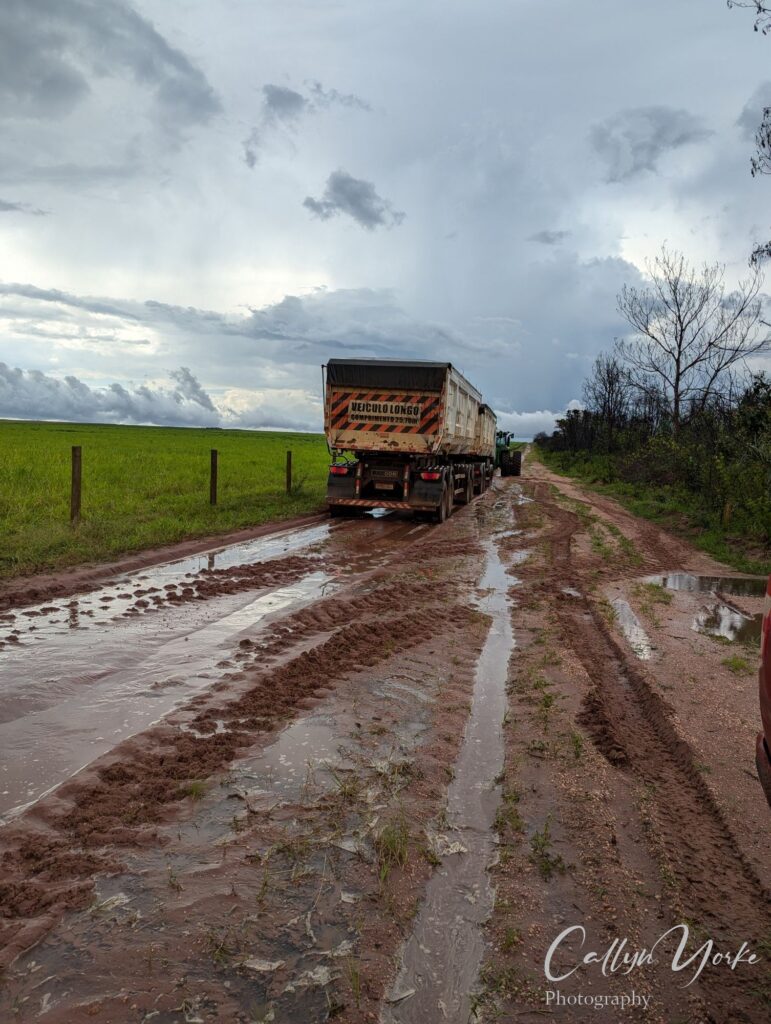
Slipping and sliding on a muddy thoroughfare, we were sometimes stuck in local commute traffic, motoring slowly through several kilometers of farmland.
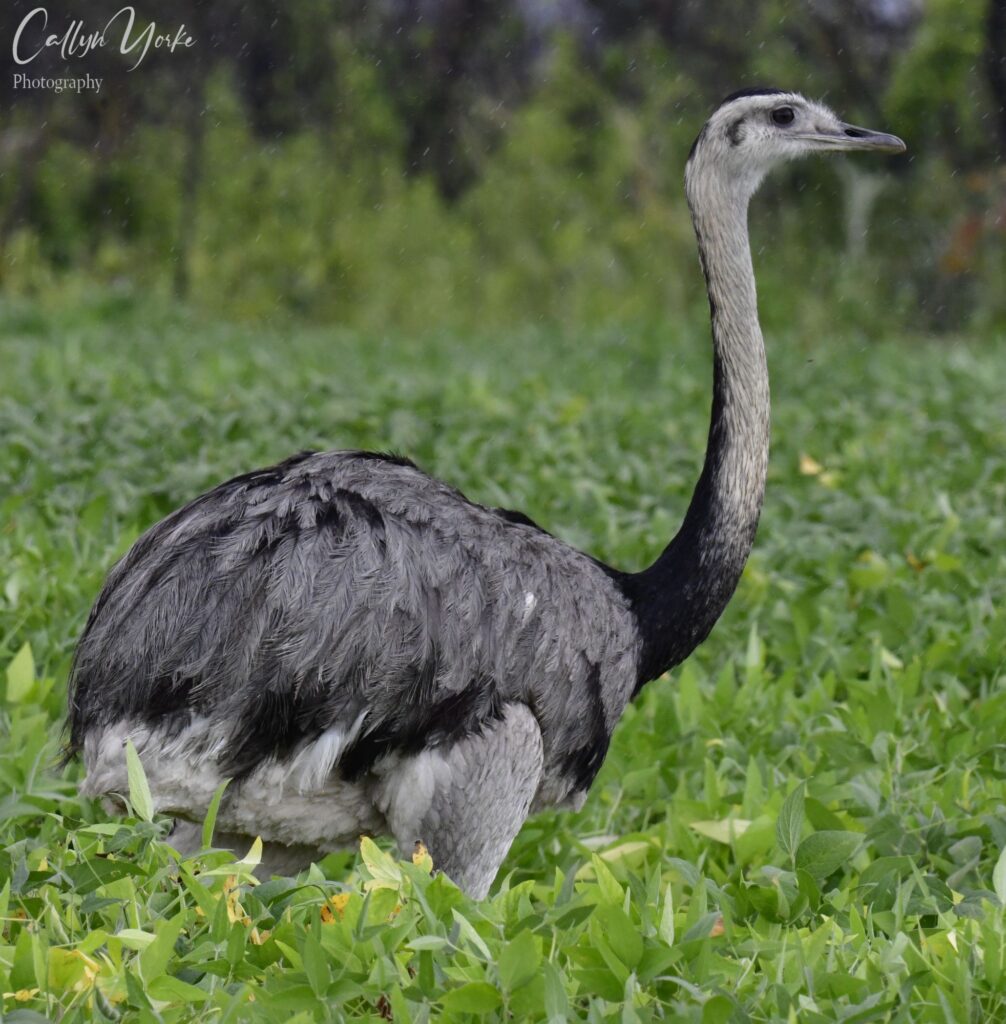
Jeanne appeared to be confident that there was more wildlife to be found here than what a casual observer might be expecting. We made frequent stops to scan the area. Rounding a bend, we encountered a large, scattered flock of about eighty Greater Rhea grazing in an adjacent field. A dozen or more of the birds had passed under a wire fence and ran ahead of us on the roadway, zig-zagging wildly, like a panic scene from Jurassic Park. The race was on. In their polyandrous social system, female rheas seek copulations with multiple males; the latter, distinguished by a black crown and lower neck, are responsible for incubation of the eggs and care for the young, possibly without much assurance of their individual genetic contribution.
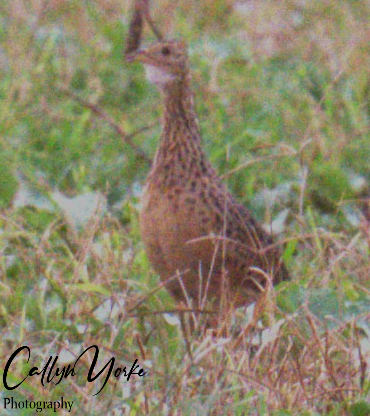
As the rains subsided we walked the roadway and into an open, fallow field where some movement had been seen from the vehicle. Within moments, Jeanne had found several new birds for our day-list, including two shy, secretive ground birds – Red-winged Tinamou and Spotted Nothura. Both of those were lifers for me and distant, yet identifiable photos of them were obtained.
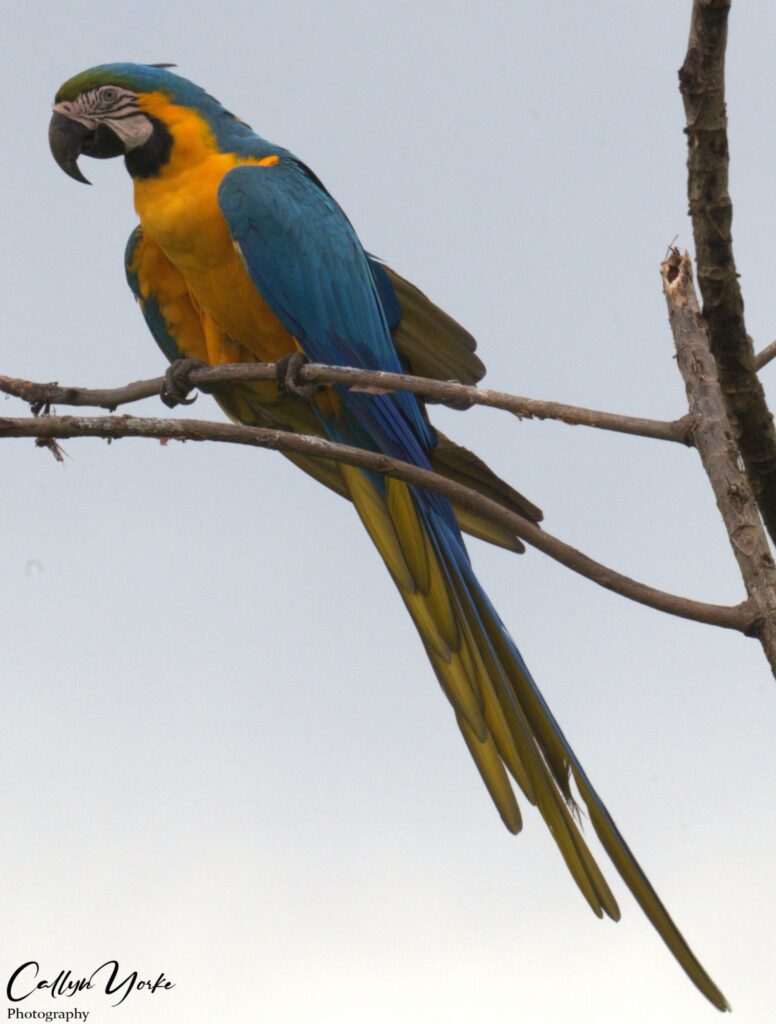
In an isolated, leafless tree, set against a leaden sky, was a strikingly colorful pair of Yellow-and-Blue Macaw, watchfully allowing us to approach to within about 15 m with our cameras.
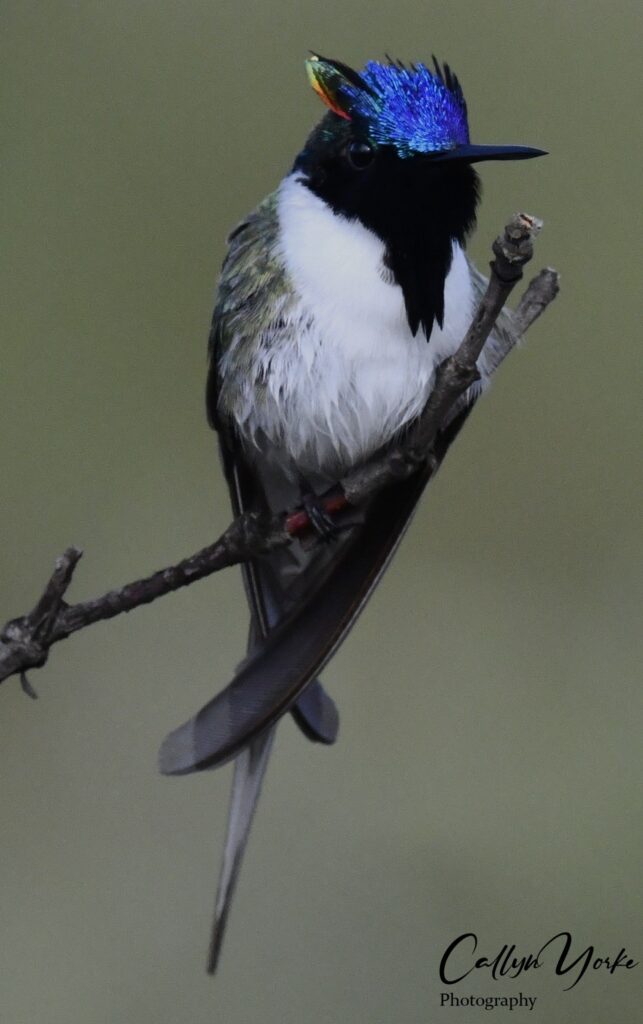
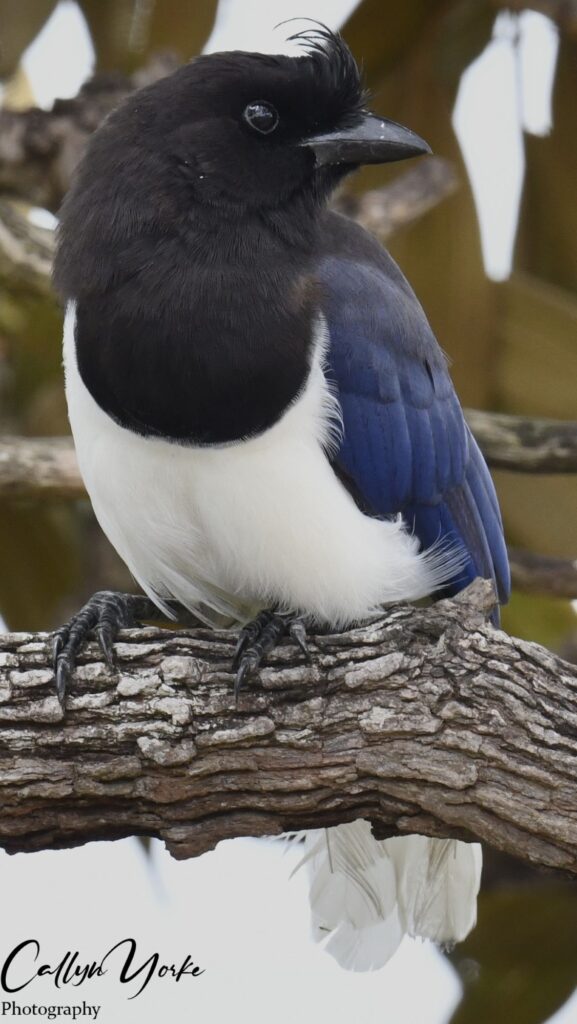
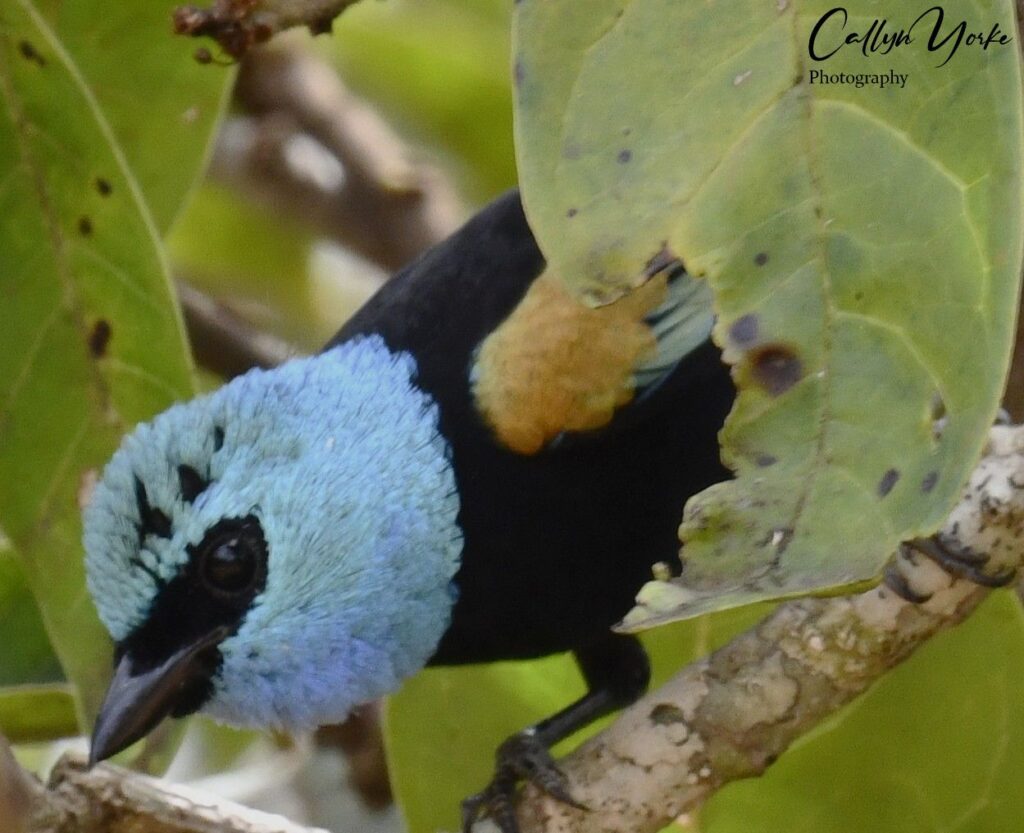
The late afternoon MGF trip yielded about forty bird species; almost half of them new for my Brazil trip list. Our second visit to this area on the morning of 28 February, produced a tally of seventy-six species, including close-up views of some fancy dancers, e.g. Horned Sungem, Curl-crested Jay and Blue-necked Tanager.
Cerrado, Chapada dos Guimarães National Park and Valle da Benҫão, Mato Grosso – with Noam (26 February 2025)
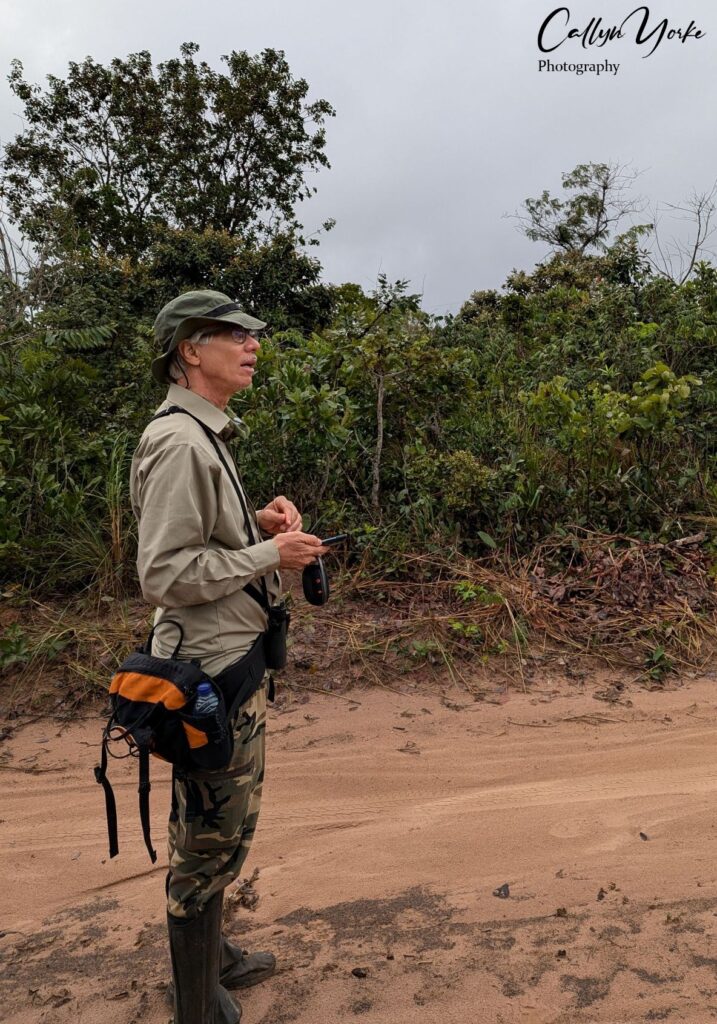
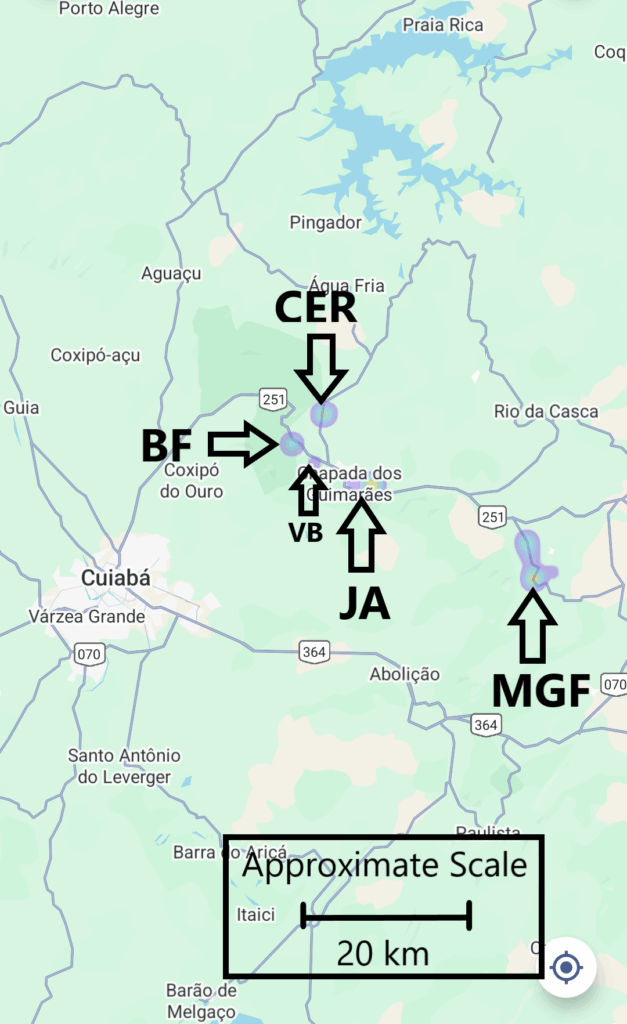
Due to a family emergency, Jeanne needed to be out of the area for a few days with their only vehicle and I was free to explore the countryside by myself. Noam, a long-time friend and neighbor of Jeanne and Mario, agreed to take me to some of his favorite birding places in the area, where he said we could find some new species for my Brazil trip list. With great anticipation and comparatively dry weather, we made a 6 AM departure from his home, 1.2 km from Jamacá das Araras. Noam drove us through a mosaic of open fields, rural homesteads and dense brushland north of the lodge (see above map). This ecologically unique biome, superficially similar to California chaparral, is known as Cerrado, and supports a distinctive South American avifauna.
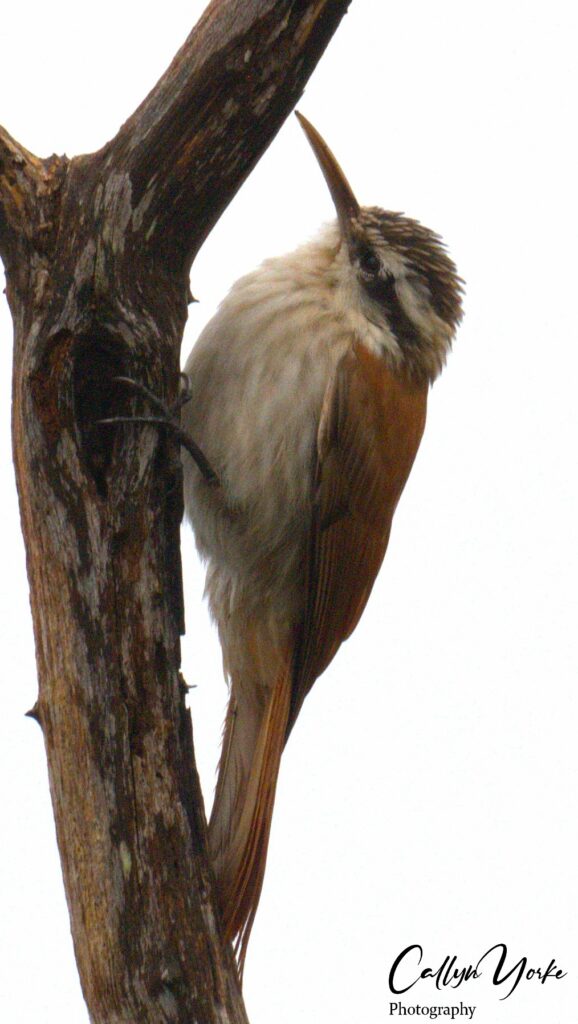
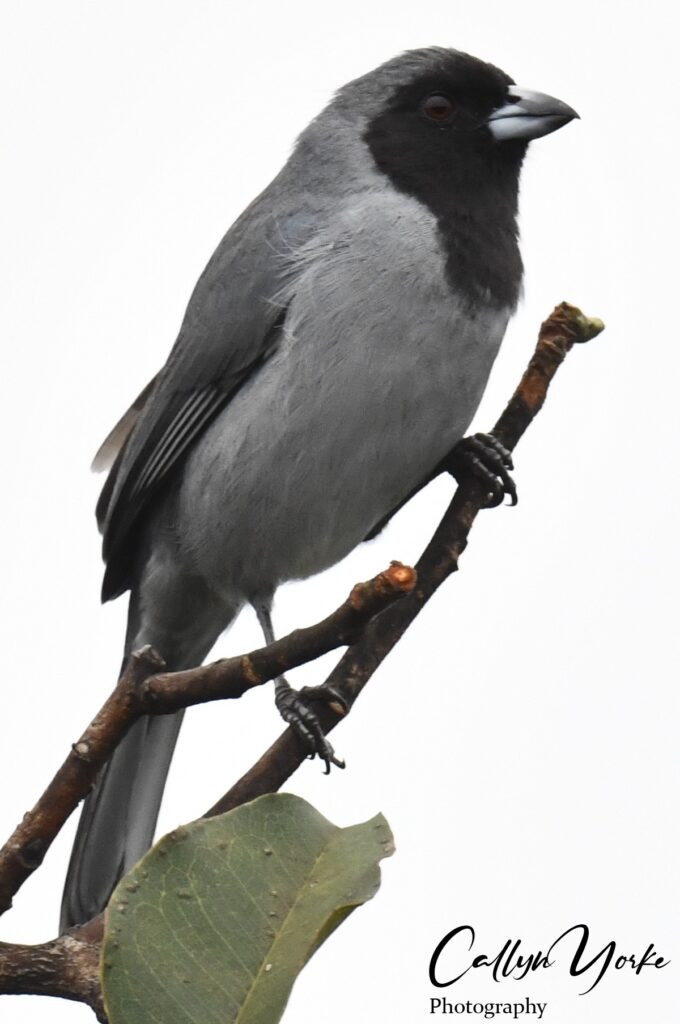
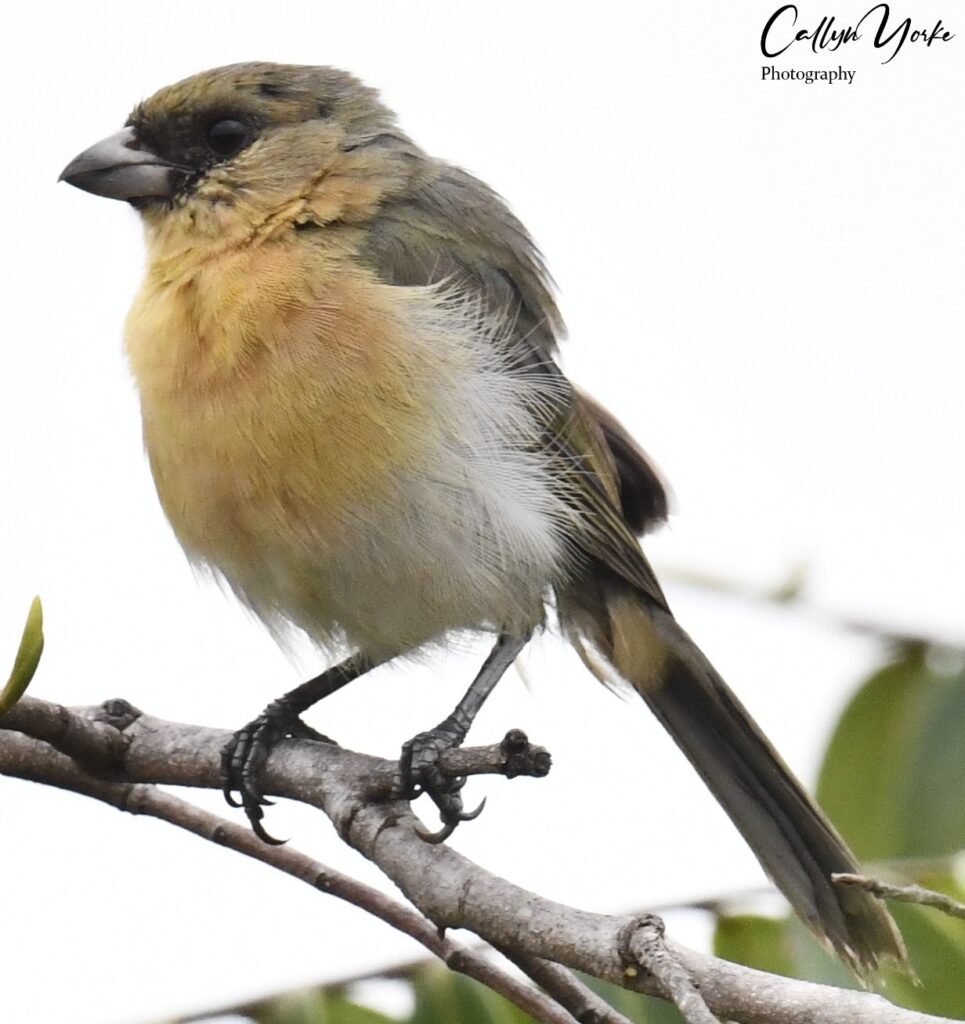
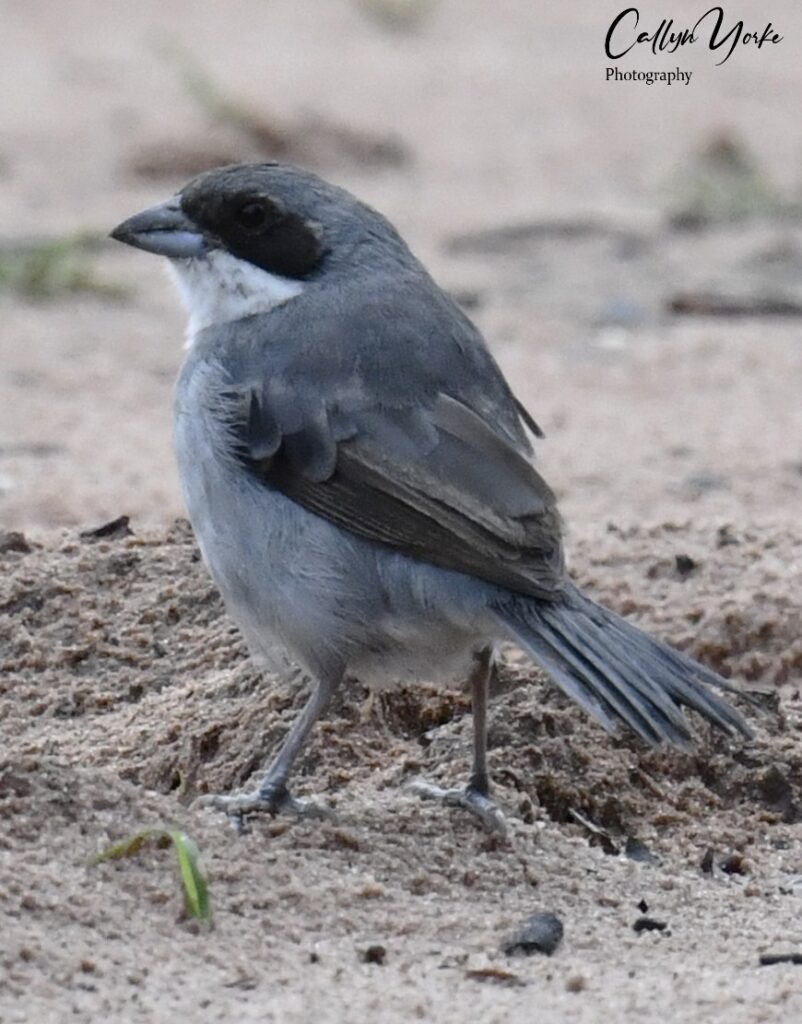
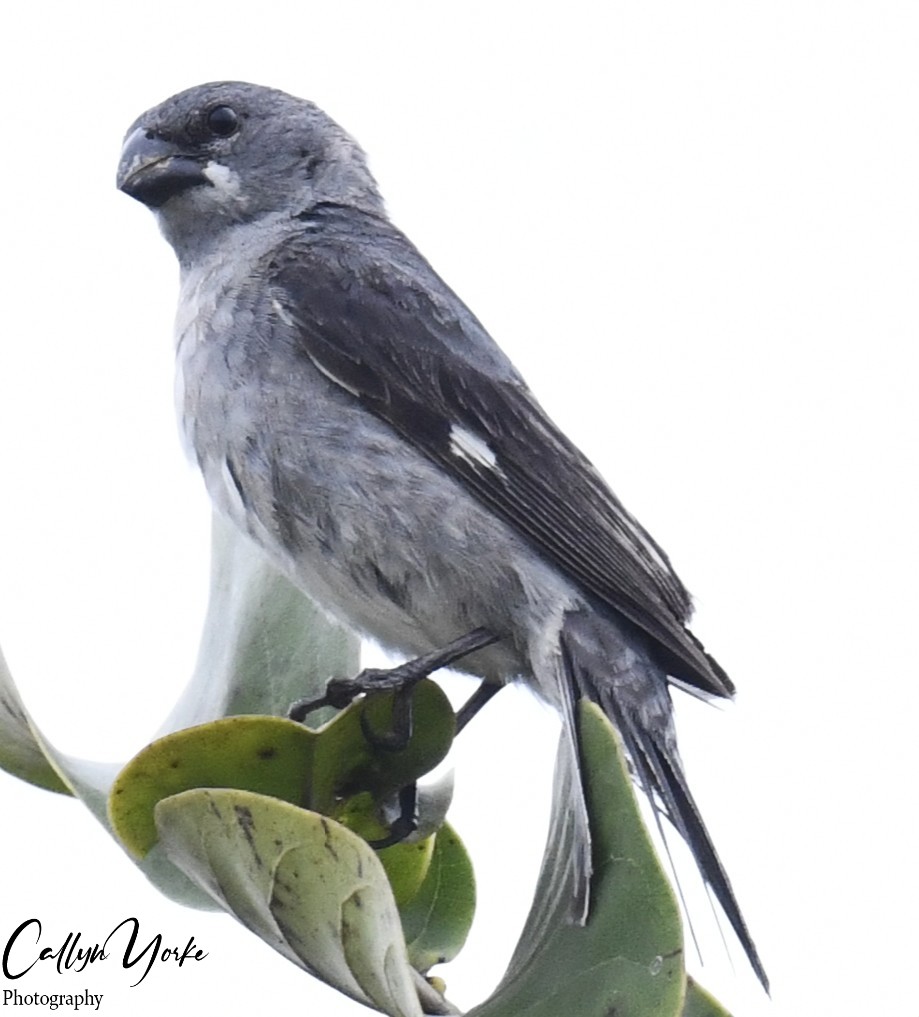
Noam had keen hearing and as soon as we stepped out of the car, began naming the birds producing sounds he recognized. Most of those species were entirely new to me – Red-bellied Macaw, Narrow-billed Woodcreeper, Plain-crested Elaenia, Black-faced Tanager, Cinnamon Tanager, White-banded Tanager, Plumbeous Seedeater and Bluish-gray Saltator. With patience, Noam coaxed the birds into close proximity using playback recordings of their vocalizations. Initially, I was mildly annoyed by the constant use of ‘auditory bait.’ I sometimes couldn’t distinguish the actual bird vocalizations from the playback recording. “Hey, Noam, did you hear that?” “Yes. I’m playing a recording.” However, it was soon clear that without the playback, we would have had scarcely more than fleeting glimpses of the birds and almost no chance to photograph them.
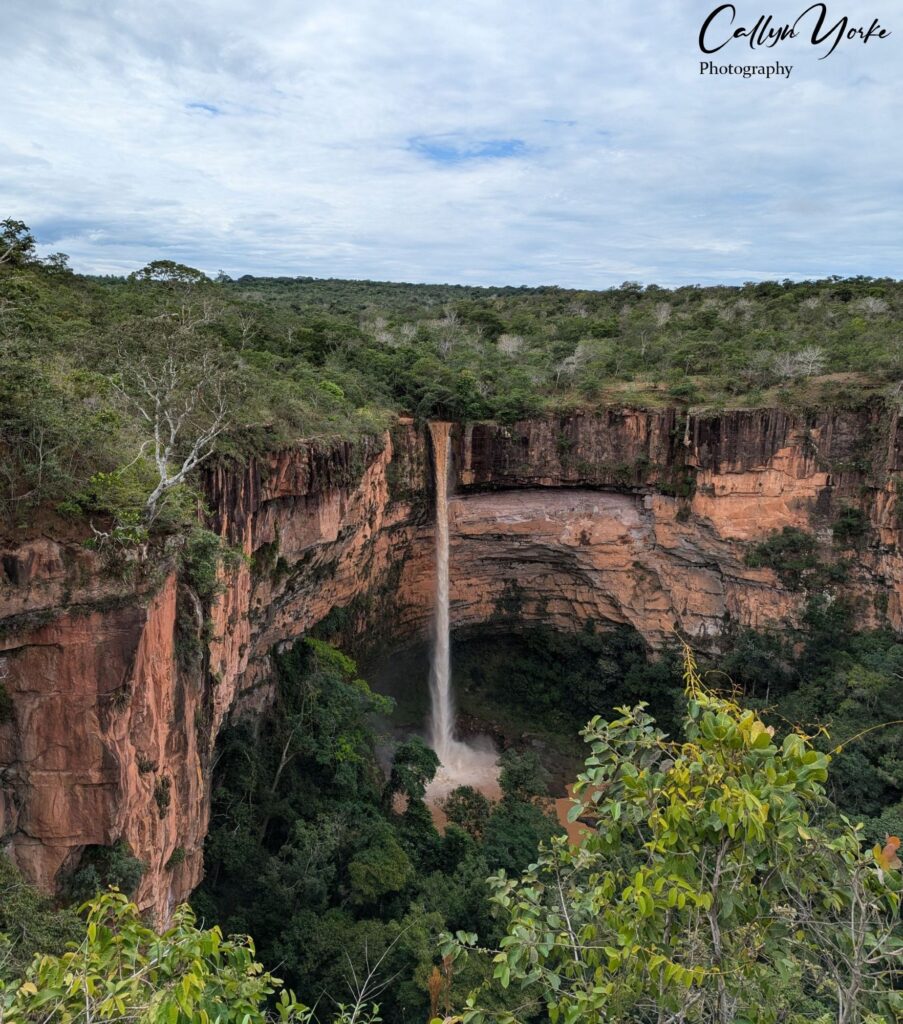
Our next destination was Chapada dos Guimarães National Park, particularly, the scenic and popular Bridal Veil Falls (Véu da Noiva). While I was admiring the falls and rugged canyon below, Noam noticed a large bird of prey perched in a distant tree on the canyon rim, about a kilometer away from where we stood. Putting the scope on it clinched the identification: Black-and-White Hawk Eagle – a local rarity and another lifer for me. A small flock of Blue-winged Macaw was also present in the area but not many other birds. We proceeded to our final birding destination for the morning – Valle da Benҫão.
Exclusively roadside birding at VB. A narrowly paved road paralleled a drainage basin with abundant wetland vegetation. A broken canopy of broad-leaved evergreen forest formed the backdrop. Habitat heterogeneity was richly developed and so was the birdlife. There, we added to our day-list, Russet-crowned Crake (heard only), Cobalt-rumped Parrotlet, White-eyed Parakeet and Red-crested Finch. Our final tally for the morning was fifty-six species, including a bunch of new ones for my Brazil trip list and several lifers. Noam was definitely spot on with his prediction of finding some interesting new species in the three areas we visited that morning.
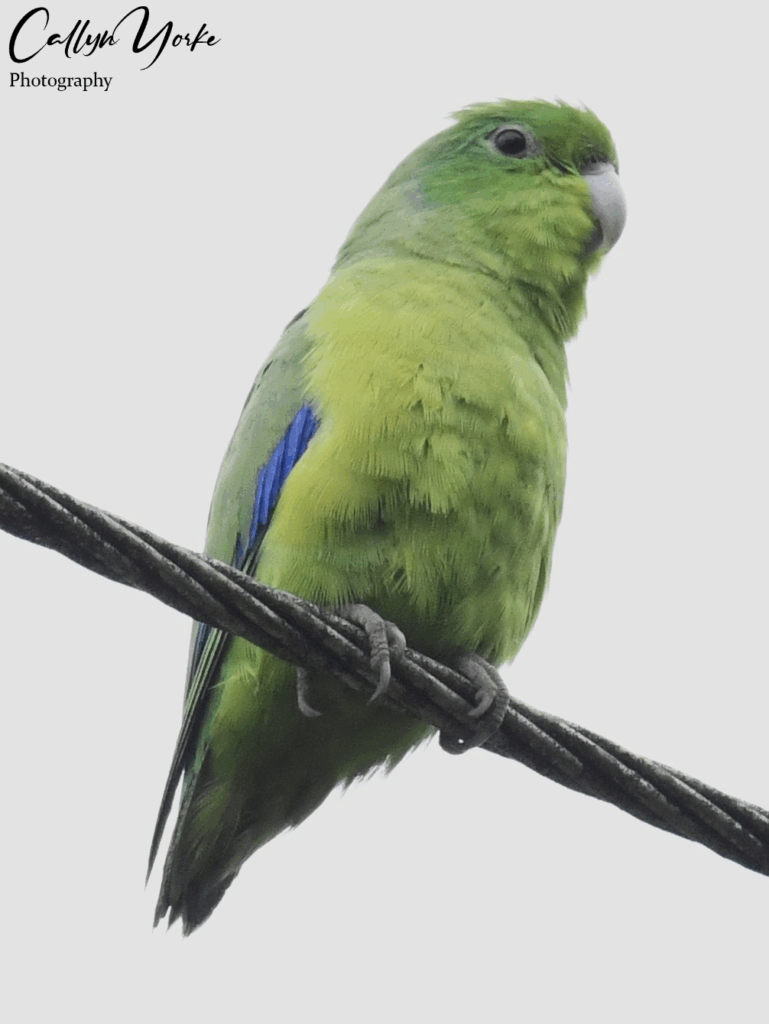
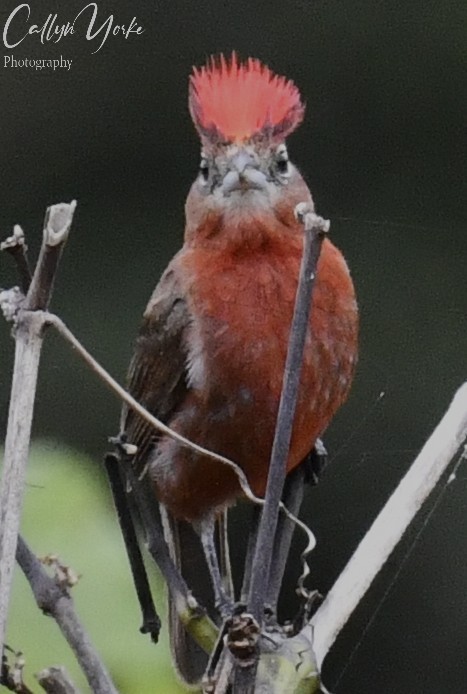
Jeanne returned to Jamacá Araras and was visibly exhausted. Sadly, she had just lost her father to a prolonged illness. Additionally, she suffered from a cold and appeared to be in no condition for chasing birds. Nevertheless, she was determined to show me more of the Mato Grosso farmland site and continue further into some areas we had not previously visited. As noted above, our final species tally on that birding trip (February 28, 2025) was nearly double that of the first afternoon outing. I was greatly impressed with Jeanne’s bird-finding skills and her dedication to me as their guest. In addition to expending considerable energies in the field, she resumed her household duties and continued to prepare delicious meals for all of us. Quite a remarkable woman, by any measure.
My final morning at the lodge was spent birding on the easement road with Jeanne, who spotted what initially appeared to be a tiny hummingbird hovering around a flowering shrub next to the front gate. That turned out to be a Hummingbird Hawk-Moth (Macroglossum stellatarum), presenting a challenging photo opportunity. Unfortunately, its buzzy wing strokes and frequent positional changes resulted in my obtaining only poor quality images.
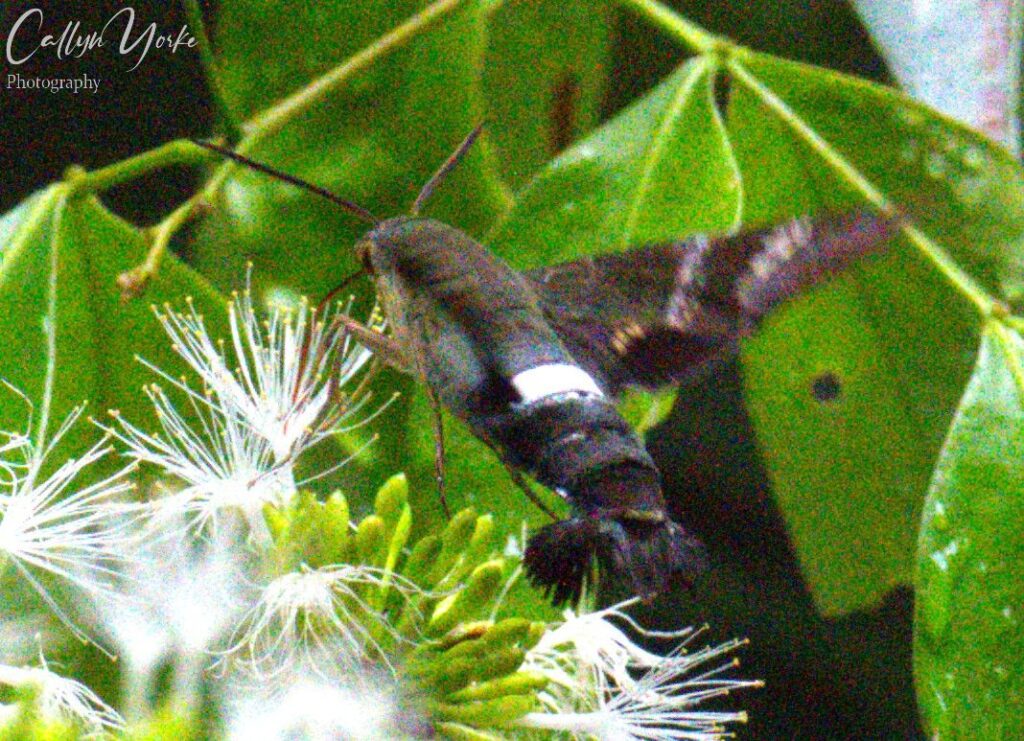
Interestingly, this is an introduced insect species from Eurasia, sometimes cited as a classic example of convergent ‘mimicry,’ though from a part of the world where there are no hummingbirds. It is unclear what adaptive advantage (e.g. predator avoidance) these diurnal moths gain by having behavior and appearance resembling a hummingbird.
Elsewhere, we didn’t find much of note on easement road that morning as a light rain began falling. It was time to begin packing for my evening flight to Manaus.
Jeanne’s son, Diego was the designated driver to the Cuiabá airport. We estimated about four hours for the drive, since there would be a slow down in the city. There was a bright side. In full daylight, this trip exposed the grandeur of the Mato Grosso tablelands, including deep canyons, scenic waterfalls and imposing rock formations, nearly all of it transected by a new state highway. Indeed, the pristine landscapes along the route between Chapada and Cuiabá were nothing less than spectacular. I could readily appreciate why Mario and Jeanne had so enthusiastically encouraged me to return to Jamacá das Araras. They promised that if I was there in winter (June-August) a trip could be arranged to the Pantanal — the famous part of Brazil that definitely shouldn’t be missed by anyone interested in South American wildlife. Pantanal was on my bucket-list, for sure.
ANNOTATED BIRD LIST – MATO GROSSO
_______________________________________________
REPORT LINKS
___________________________________________